Annona, Genus, spp., Multiple species,
- Genus
- Multiple species
custard apples
Overview
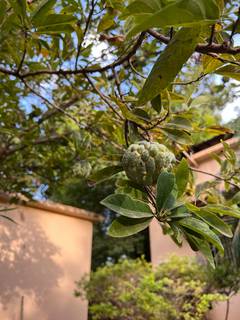
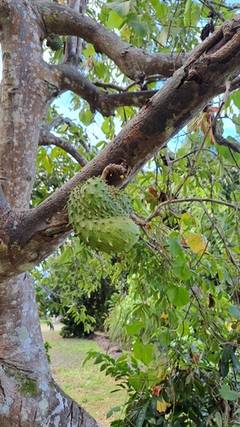
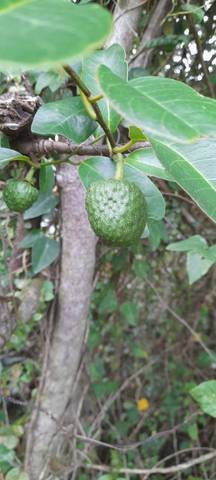
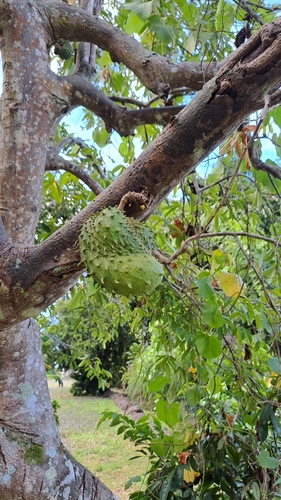
Annona is a genus of about 160 tropical and subtropical trees and shrubs in the custard-apple family, Annonaceae, native to the Americas and Africa. The genus includes several widely grown fruit trees: cherimoya A. cherimola, soursop A. muricata, sugar apple A. squamosa, and custard apple A. reticulata, whose large compound fruits hold sweet, creamy white pulp. Plants carry simple, alternate leaves and thick, fleshy, three-petaled flowers pollinated mainly by beetles. The ripe pulp is eaten fresh, but the seeds and bark contain annonacin, a neurotoxin, and the seeds are poisonous if crushed and swallowed. Frost tenderness and the need for hand-pollination to set good fruit in many areas are the main constraints.
Native Range
Native to the tropical and subtropical Americas and Africa, with the cherimoya from the Andean highlands and several species, such as pond apple A. glabra, reaching the wetlands of Florida. Many are now grown across the warm regions of the world.Suggested Uses
Grown as a dooryard and orchard fruit tree in tropical and subtropical gardens, and in large containers or greenhouses in cooler regions. The spreading canopy gives light shade over a patio or yard.How to Identify
Appearance
Size & Dimensions
Height10' - 30'
Width/Spread10' - 20'
Bloom Information
Greenish-yellow flowers open mainly in spring and summer, moving through a sequence with the female stage first, which favors cross-pollination by beetles. In cultivation the flowers are often hand-pollinated to improve fruit set, since natural pollinators may be scarce.
Detailed Descriptions
Flower Description
yellow-green to pale yellowFoliage Description
greenGrowing Conditions
Sun Requirements
Requires 6-8 hours of direct sunlight daily
• Full Sun: 6+ hours of direct sunlight
• Partial Shade: 3-6 hours of direct sunlight
• Full Shade: Less than 3 hours of direct sunlight
Care & Maintenance
Care Guide
Annona grows in full sun in warm, frost-free conditions, in deep, fertile, well-drained soil. Regular water during growth and fruiting, with a drier rest in cool months, suits most species. Plants are hardy only in USDA zones 9b-11, with young trees shielded from cold. Moderate feeding supports growth through the warm season. Cold snaps drop the leaves and damage the soft wood.Pruning
Trees are pruned after harvest to open the canopy, hold height for easier picking, and clear dead wood. Crossing and inward shoots are thinned to improve light and airflow. Cherimoya and some others are trained low for hand-pollination and harvest.Container Growing
Suitable for container growing
Minimum container size: 15 gallons