Anigozanthos, Genus, humilis, Species,
- Genus & species
Catspaw
Overview
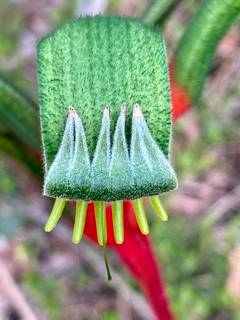
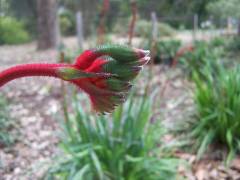
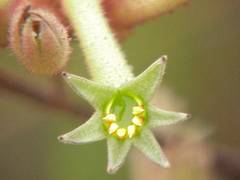
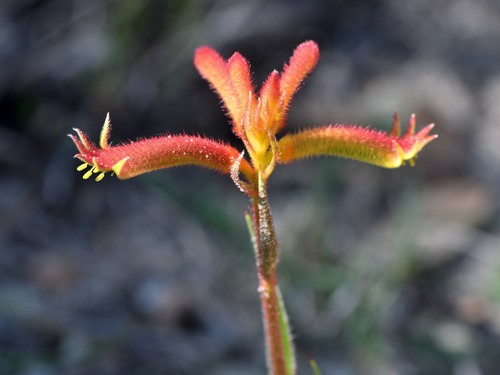
Anigozanthos humilis is a low, clumping perennial in the bloodwort family and a smaller relative of the kangaroo paws. It grows from an underground rhizome, forming a tuft of flat, strap-like leaves 4-8 inches (10-20 cm) long. In late winter and spring, branched flower stems rise 8-16 inches (20-40 cm), carrying curved tubular flowers densely coated in soft woolly hairs. The flowers are yellow to orange, often flushed red at the base, and their hooked shape is the source of the common name catspaw. After flowering, the plant dies back and rests through the hot, dry summer, regrowing from the rhizome with autumn and winter rains. It grows in sandy soils of open woodland and heath in southwestern Western Australia. The species needs sharp drainage and a dry summer rest, and it tends to be short-lived in humid or poorly drained gardens. Plants are also sensitive to the fungal disease known as ink spot in damp conditions. The low habit and woolly cool-season flowers suit rockeries, sandy borders, and containers in dry-summer climates.
Native Range
Anigozanthos humilis is native to southwestern Western Australia, where it grows in sandy soils of open woodland, heath, and winter-wet flats. It occurs from near the coast to inland sandplains within a Mediterranean climate of wet winters and dry summers.Suggested Uses
Grown in rockeries, sandy borders, and containers in dry-summer climates, and among other Western Australian natives. The woolly cool-season flowers suit low plantings viewed at close range. A dry summer rest and sharp drainage limit its use in humid or heavy-soil gardens.How to Identify
Appearance
Size & Dimensions
Height8" - 1'4"
Width/Spread8" - 1'
Bloom Information
Flowering occurs in late winter and spring, mainly August to November in its native range. Woolly yellow-to-orange tubular flowers open along branched stems over several weeks. The plant then dies back to its rhizome for summer dormancy.
Detailed Descriptions
Flower Description
yellow to orange-redFoliage Description
greenGrowing Conditions
Sun Requirements
Requires 6-10 hours of direct sunlight daily
• Full Sun: 6+ hours of direct sunlight
• Partial Shade: 3-6 hours of direct sunlight
• Full Shade: Less than 3 hours of direct sunlight
Care & Maintenance
Care Guide
Grow Anigozanthos humilis in full sun on sandy, sharply drained soil with a pH between 5.5 and 7.0. Water through autumn, winter, and spring while the plant is in growth, then reduce watering for the dry summer dormancy. Use low-phosphorus or native-specific fertiliser, as members of this family can be sensitive to high phosphorus. Good airflow and dry summer conditions reduce the risk of ink spot fungal disease on the leaves. In humid or summer-rainfall climates, container culture in a gritty mix gives more reliable results than open ground.Pruning
Cut spent flower stems back to the base after flowering finishes. Remove old and blackened foliage as the plant enters summer dormancy. Fresh leaves emerge from the rhizome with the autumn rains.Container Growing
Suitable for container growing
Minimum container size: 2 gallons