Anigozanthos, Genus, spp., Multiple species,
- Genus
- Multiple species
kangaroo paws
Overview
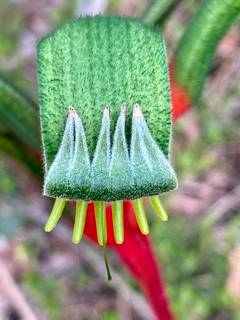
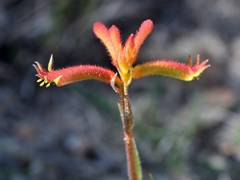
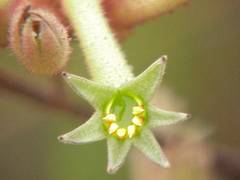
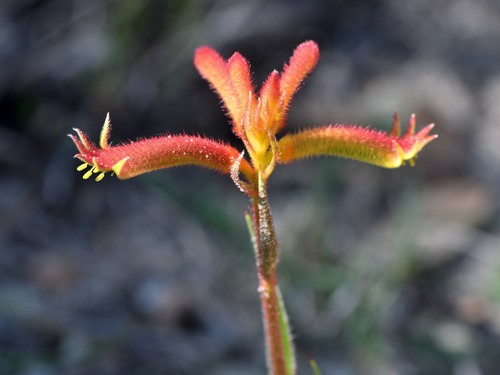
Anigozanthos is a genus of about 11 evergreen perennials in the family Haemodoraceae, native to the southwest of Western Australia and known as kangaroo paws. Plants grow from rhizomes into clumps of strap-shaped leaves, above which branched stems carry rows of curved, tubular flowers densely coated in colored woolly hairs that suggest an animal paw. Flower color spans red, orange, yellow, green, and pink, often with contrasting tones on the stem and bud, and the stems range from about 12 inches (30 cm) in compact species to over 6 feet (1.8 m) in A. flavidus. In the wild the nectar-rich flowers are pollinated by honeyeaters and other birds. The genus is adapted to dry summers and wet winters, growing in sandy, free-draining soils, and most species are short-lived and prone to ink-spot fungal disease in humid conditions. A. flavidus lives longer and resists ink-spot disease better than most species and is the parent of many garden hybrids.
Native Range
The southwest of Western Australia, where the genus grows in sandy heath, woodland, and seasonally moist flats with dry summers and wet winters.Suggested Uses
Anigozanthos is grown in dry borders, gravel and coastal gardens, and containers, and as a long-lasting cut flower. Compact hybrids are used for bedding and pots, while tall species such as A. flavidus are planted as accents. The nectar-rich flowers draw nectar-feeding birds where the plants are grown in mild climates.How to Identify
Appearance
Size & Dimensions
Height1' - 6'
Width/Spread1' - 3'
Bloom Information
Flowering peaks in spring and early summer, roughly September to December in the native range and late spring to summer in the northern hemisphere. The woolly tubular flowers are rich in nectar and draw birds in the wild and hummingbirds where grown in the Americas. Cutting flowered stems to the base can prompt a second flush in robust species such as A. flavidus.
Detailed Descriptions
Flower Description
Red, orange, yellow, green, or pinkFoliage Description
Grey-green to greenGrowing Conditions
Sun Requirements
Requires 6-12 hours of direct sunlight daily
• Full Sun: 6+ hours of direct sunlight
• Partial Shade: 3-6 hours of direct sunlight
• Full Shade: Less than 3 hours of direct sunlight
Care & Maintenance
Care Guide
Anigozanthos grows in full sun and sharply drained, sandy or gravelly soil low in phosphorus, matching its native heathland. Plants tolerate drought once established and need the most water in winter and spring, with a drier rest in summer. Good air movement reduces ink-spot, a black fungal disease that disfigures the leaves in humid or crowded conditions. The genus is frost tender, hardy outdoors only in roughly USDA zones 9 to 11, and is grown in containers and brought under cover where winters are cold. Tired clumps are lifted and divided every few years to keep them vigorous.Pruning
Spent flower stems are cut to the base after blooming to tidy the clump and bring further flowering. Old, ink-spotted, or frost-damaged leaves are removed at the base. Robust species can be cut back hard, almost to ground level, to renew foliage and trigger fresh growth.Container Growing
Suitable for container growing
Minimum container size: 3 gallons