Anaphalis, Genus, margaritacea, Species,
- Genus & species
pearly everlasting
Circumboreal — North America (Newfoundland to Alaska to California) and East Asia (Japan, China, Korea); open disturbed ground, roadsides, rocky slopes, burn sites
Overview
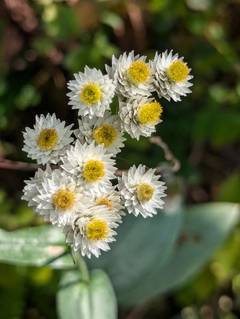
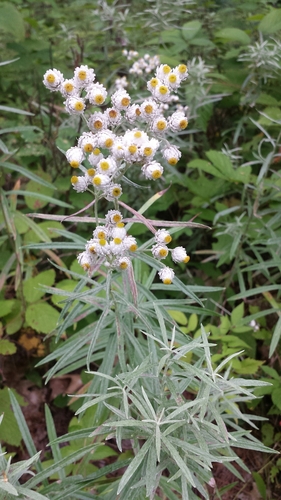
Anaphalis margaritacea (pearly everlasting) is a native deciduous perennial growing 12–30 inches (30–75 cm) tall and 18–24 inches (45–60 cm) wide. Flat-topped terminal clusters 2–4 inches (5–10 cm) of white papery bracts surrounding tiny yellow central disk flowers appear from midsummer to early fall (July–September) for about 6 weeks. The papery bracts retain their white color and form when dried — the common name everlasting references this persistence in dried arrangements. Gray-green to silver-gray narrow lance-shaped leaves 2–5 inches (5–13 cm) with white-woolly undersides sit along upright stems. The species belongs to Asteraceae. Margaritacea means pearly (from Latin margarita). Dioecious: separate male and female plants. Spreads by rhizomes and can form colonies on disturbed ground, roadsides, and burn sites. The rhizomatous spread on open ground is the principal management consideration. A larval host plant for painted lady (Vanessa cardui) and American lady (V. virginiensis) butterflies. Circumboreal distribution: native across North America from Newfoundland to Alaska to California, and in East Asia (Japan, China, Korea). Colonizes poor sandy and gravelly soils in dry sunny sites. Drought-tolerant. Non-toxic. Deer-resistant. Hardy in zones 3–9.
Native Range
Circumboreal — native across North America (Newfoundland to Alaska to California) and East Asia (Japan, China, Korea), growing on open disturbed ground, roadsides, rocky slopes, and burn sites.Suggested Uses
Used in native meadow plantings, dry sunny borders, and on disturbed or poor-soil sites, spaced 18–24 inches (45–60 cm), and in containers of at least 3 gallons (11 L). The papery white bracts persist for months in dried arrangements. Larval host plant for painted lady and American lady butterflies. Colonizes disturbed ground. Non-toxic. Deer-resistant. Zones 3–9.How to Identify
Appearance
Size & Dimensions
Height1' - 2'6"
Width/Spread1'6" - 2'
Bloom Information
Midsummer to early fall (July–September) over about 6 weeks. White papery bracts in flat-topped terminal clusters 2–4 inches (5–10 cm) surround tiny yellow disk flowers. The bracts retain their form and color when dried. Bee- and butterfly-visited. Larval host plant for painted lady and American lady butterflies.
Detailed Descriptions
Flower Description
White papery bracts surrounding tiny yellow central disk flowers; in flat-topped terminal clusters 2-4 inches (5-10 cm); July-September; bracts retain form and color when driedFoliage Description
Gray-green to silver-gray; narrow lance-shaped; 2-5 inches (5-13 cm); white-woolly undersidesGrowing Conditions
Sun Requirements
Requires 6-10 hours of direct sunlight daily
• Full Sun: 6+ hours of direct sunlight
• Partial Shade: 3-6 hours of direct sunlight
• Full Shade: Less than 3 hours of direct sunlight
Care & Maintenance
Care Guide
Grows in full sun with 6–10 hours of direct light. Tolerates poor sandy or gravelly soil at pH 5.0–7.0. Drought-tolerant once established. Spreads by rhizomes and can colonize open ground — containment may be needed in cultivated beds. Dioecious: separate male and female plants. Larval host plant for painted lady (Vanessa cardui) and American lady (V. virginiensis) butterfly caterpillars. Non-toxic. Deer-resistant. Suitable for zones 3–9.Pruning
Cut dead stems to the ground in early spring (March). Dried flower heads can be left for winter interest or cut at peak bloom for dried arrangements. Contain rhizome spread by removing outlying shoots if a defined clump is desired.Pruning Schedule
Prune: March
early spring
Container Growing
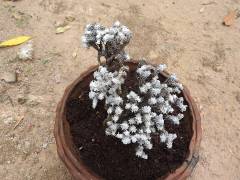
Suitable for container growing
Minimum container size: 3 gallons