Anaphalis, Genus, triplinervis, Species,
- Genus & species
triple-veined pearly everlasting
Central and eastern Himalayas, from Afghanistan through Nepal to southwestern China
Overview
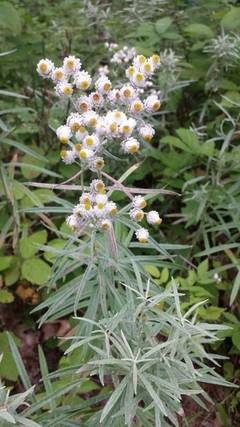
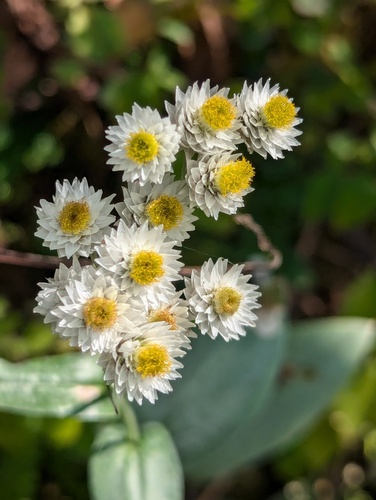
Anaphalis triplinervis is a spreading perennial in the Asteraceae family that grows 12–18 inches (30–45 cm) tall and 18–24 inches (45–60 cm) wide. Silver-gray, lance-shaped leaves carry three prominent longitudinal veins (the trait giving the species its name) and white woolly undersides. Flat-topped clusters of small, papery white flower heads with yellow disc centres open from July through September. The papery bracts retain their white colour when dried, and the species is harvested for use in dried flower arrangements. Unlike most silver-leaved perennials, A. triplinervis tolerates average to moist soil conditions rather than requiring sharp drainage, broadening its garden range. The plant spreads by underground rhizomes at a moderate rate, forming loose colonies over time. In rich, moist soil, rhizome spread can become aggressive, and periodic thinning may be needed. In very dry conditions, lower leaves yellow and drop during midsummer heat. Deer bypass the woolly foliage. Among silver-foliage perennials, A. triplinervis is among the few reliably hardy to USDA zone 3.
Native Range
Anaphalis triplinervis is native to the Himalayan region, ranging from Afghanistan east through Pakistan, India, Nepal, and Bhutan into southwestern China. It occurs in alpine meadows and open hillsides at elevations of 5,000–14,000 feet (1,500–4,300 m).Suggested Uses
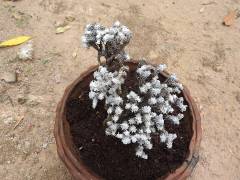
Used in mixed borders where the silver foliage carries contrast with green- and purple-leaved companions. Suited to cottage gardens, pollinator plantings, and naturalistic landscapes. The dried flowers are harvested for everlasting flower arrangements. Container culture works in pots of 3 gallons (11 L) or more. The species combines silver foliage with tolerance for moist soil and USDA zone 3 cold hardiness, a combination uncommon among silver-leaved perennials.How to Identify
Appearance
Size & Dimensions
Height1' - 1'6"
Width/Spread1'6" - 2'
Bloom Information
Flowering begins in July and continues through September. Flat-topped clusters of small papery white flower heads with yellow disc centres open over a 6-week period. The papery bracts hold their white colour indefinitely when dried, carrying ornamental value through winter.
Detailed Descriptions
Flower Description
White papery bracts with yellow disc centresFoliage Description
Silver-gray with white woolly undersidesGrowing Conditions
Sun Requirements
Requires 5-10 hours of direct sunlight daily
• Full Sun: 6+ hours of direct sunlight
• Partial Shade: 3-6 hours of direct sunlight
• Full Shade: Less than 3 hours of direct sunlight
Care & Maintenance
Care Guide
Site in full sun to partial shade with at least 5 hours of direct light. Tolerates a wider range of soil moisture than most silver-leaved perennials, from average to somewhat moist conditions. Water moderately during establishment and dry spells. In rich, moist soil, rhizome spread requires periodic thinning. Fertilization is unnecessary. Cut all growth to ground level in late winter or early spring before new shoots emerge.Pruning
Leave dried flower stems standing through winter for ornamental interest and dried flower harvest. Cut all stems to 2–3 inches (5–8 cm) above ground in early spring before new growth begins. Thin rhizome spread by digging and removing outer portions of the colony where it encroaches on neighbouring plants.Pruning Schedule
Prune: March–April
early spring
Container Growing
Suitable for container growing
Minimum container size: 3 gallons