Amaranthus, Genus, spp., Multiple species,
- Genus
- Multiple species
amaranths
Americas and Eurasia; warm regions of North and Central America
SunFull Sun
Overview
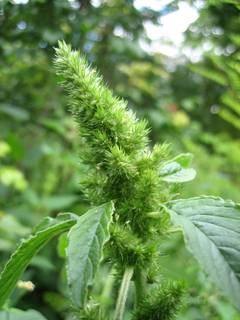
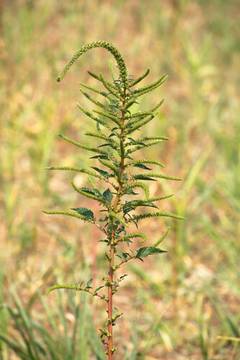
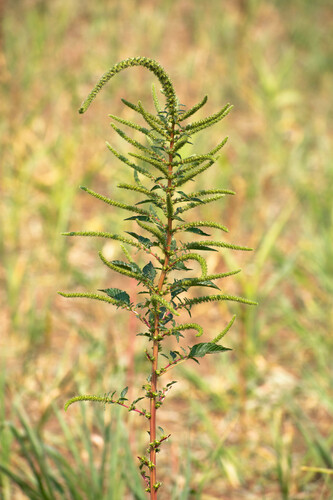
Amaranthus is a genus of about 75 species of fast-growing annual herbs in the family Amaranthaceae, known as amaranths and pigweeds. Plants range from 1 to 8 feet (0.3 to 2.4 m) tall on stout, often reddish stems, with alternate, oval to diamond-shaped leaves 2 to 8 inches (5 to 20 cm) long, sometimes flushed red, purple, or gold. The tiny flowers lack showy petals and are packed by the thousand into dense, branching or drooping spikes and tassels, green, red, crimson, or purple, with some kinds, such as love-lies-bleeding (A. caudatus), trailing long rope-like clusters. As C4 plants, amaranths grow rapidly in heat and full sun and set enormous quantities of small, shiny seed. The genus is now found worldwide and includes grain crops (A. cruentus and A. hypochondriacus), leafy vegetables grown across Asia and Africa, brightly colored ornamentals, and several aggressive farm weeds. Palmer amaranth (A. palmeri) and redroot pigweed (A. retroflexus) are difficult agricultural weeds, some with resistance to common herbicides. Amaranth foliage can accumulate nitrates and oxalates and may poison livestock if grazed heavily.
Native Range
The genus Amaranthus has species native to both the Americas and Eurasia, with the largest number originating in the warm regions of North and Central America. Through cultivation and as weeds, amaranths have spread to temperate and tropical regions worldwide. They grow in fields, gardens, floodplains, roadsides, and other open, disturbed, sunny ground.Suggested Uses
Ornamental Amaranthus are planted for bold foliage and flower tassels in summer borders, cutting gardens, and large containers, spaced 10 to 18 inches (25 to 45 cm) apart, and the long tassels are used fresh or dried. Grain and leaf species are grown in vegetable plots and warm-season food gardens. The seed-laden spikes draw finches and other seed-eating birds in autumn.How to Identify
Appearance
Size & Dimensions
Height1' - 8'
Width/Spread10" - 2'6"
Bloom Information
Amaranthus flowers from mid summer until the first frost, generally July through October, with the dense spikes coloring up over many weeks. The flowers themselves are minute, but the massed bracts and stems carry the green, red, crimson, gold, or purple color of the display. Wind moves the pollen, and seed begins ripening within the spikes while the upper flowers still open. A single large plant can produce hundreds of thousands of seeds.
Detailed Descriptions
Flower Description
green, red, crimson, gold, or purpleFoliage Description
green, often flushed red, purple, or goldGrowing Conditions
Sun Requirements
Requires 6-12 hours of direct sunlight daily
• Full Sun: 6+ hours of direct sunlight
• Partial Shade: 3-6 hours of direct sunlight
• Full Shade: Less than 3 hours of direct sunlight
Water & Climate
Water Needs
Drought Tolerance
Drought tolerant when established
Care & Maintenance
Care Guide
Amaranthus grows in full sun and average, well-drained soil across a pH of 6.0 to 7.5, tolerating heat, drought, and lean ground once established, though richer soil and steady moisture give larger plants. Seed is sown after the last frost when the soil has warmed, since the plants are killed by cold. Young plants need regular water, after which most kinds withstand dry spells. Tall ornamental and grain types may need staking on windy sites. Aphids, leaf miners, and root rot in wet soil are the main problems. Self-sown seedlings appear in quantity the following year and the weedy species spread quickly.Pruning
Amaranthus needs little pruning as a fast annual. Pinching the growing tip of young plants produces a bushier habit and more, but shorter, flower tassels. Spent tassels are cut once they fade to limit heavy self-seeding, and whole plants are pulled and composted after frost. Grain types are cut at the stalk when the seed is ripe.Pruning Schedule
Prune: June
summer
Container Growing
Suitable for container growing
Minimum container size: 3 gallons