Aloe, Genus, spp., Multiple species,
- Genus
- Multiple species
aloes
Africa, Madagascar, and the Arabian Peninsula
Overview
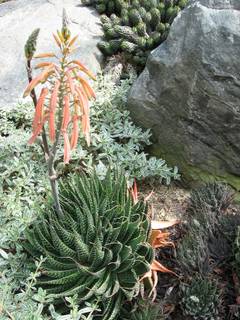
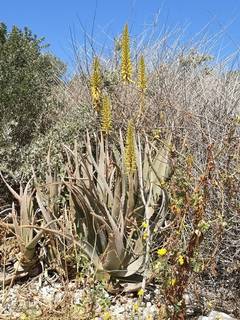
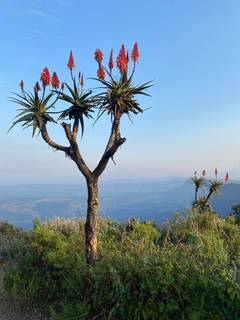
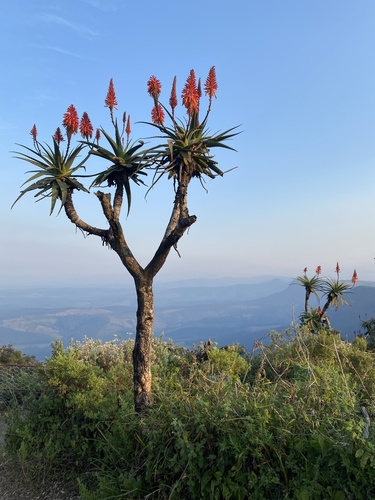
Aloe is a genus of more than 500 species of evergreen succulent plants in the family Asphodelaceae, native to Africa, Madagascar, and the Arabian Peninsula. Growth forms range from small stemless rosettes a few inches across to shrubby and tree-like species reaching 10 feet (3 m) or more. The thick, fleshy leaves are arranged in rosettes, usually edged with teeth or soft spines and filled with a clear gel and a bitter yellow latex. Tubular flowers in red, orange, or yellow are carried on tall, unbranched or branched spikes that rise above the foliage, mainly in winter and spring. Aloe grows in USDA zones 9 to 11, with a few species hardier, and tolerates heat, drought, and poor, rocky soil. Wet soil and frost are the main hazards, causing rot and tissue collapse. The leaf latex is a purgative and is toxic to pets, and the marginal teeth of larger species can scratch.
Native Range
Native to Africa, Madagascar, and the Arabian Peninsula, growing in deserts, grasslands, on rocky slopes, and in coastal scrub. A. vera, a species long grown for its leaf gel, has spread so widely that its exact wild origin is uncertain.Suggested Uses
Used in xeriscape and gravel gardens, rockeries, and coastal plantings in warm climates, and grown as houseplants and container specimens elsewhere. A. vera is grown for the leaf gel used in skin products. The winter flower spikes are a nectar source for birds.How to Identify
Appearance
Size & Dimensions
Height6" - 10'
Width/Spread6" - 6'
Bloom Information
Most species flower in winter and spring, sending up spikes of tubular flowers that open from the bottom upward over several weeks. The nectar-rich flowers are visited by birds and insects. Some species flower more than once a year in frost-free climates.
Detailed Descriptions
Flower Description
red, orange, or yellowFoliage Description
green to gray-green, sometimes red-tingedGrowing Conditions
Sun Requirements
Requires 6-10 hours of direct sunlight daily
• Full Sun: 6+ hours of direct sunlight
• Partial Shade: 3-6 hours of direct sunlight
• Full Shade: Less than 3 hours of direct sunlight
Care & Maintenance
Care Guide
Grows in full sun to light shade in sharply drained sandy or rocky soil, and tolerates heat and extended drought. Wet soil, especially in winter, causes root and stem rot, so drainage is the main requirement. Watering is needed only when the soil is dry, and most species rely on rainfall in arid climates. Cold tolerance runs from USDA zone 9 for many species to colder limits for a few hardy types, with frost damaging the soft tissue. Mealybugs, scale, and aloe mite can affect plants. The leaf latex is a purgative toxic to pets if eaten.Pruning
Pruning is limited to removing dead lower leaves and spent flower spikes after bloom. Offsets, or pups, are separated from the base to control clump size and to propagate new plants. The marginal teeth of larger species can scratch during this work.Container Growing
Suitable for container growing
Minimum container size: 2 gallons