Image 1 of 8
Plant Reference
1 / 8
Aloe, Genus, vera, Species,
- Genus & species
aloe vera
Arabian Peninsula — likely Yemen and Oman; one of the most ancient cultivated medicinal plants (used for 6,000+ years)
Overview
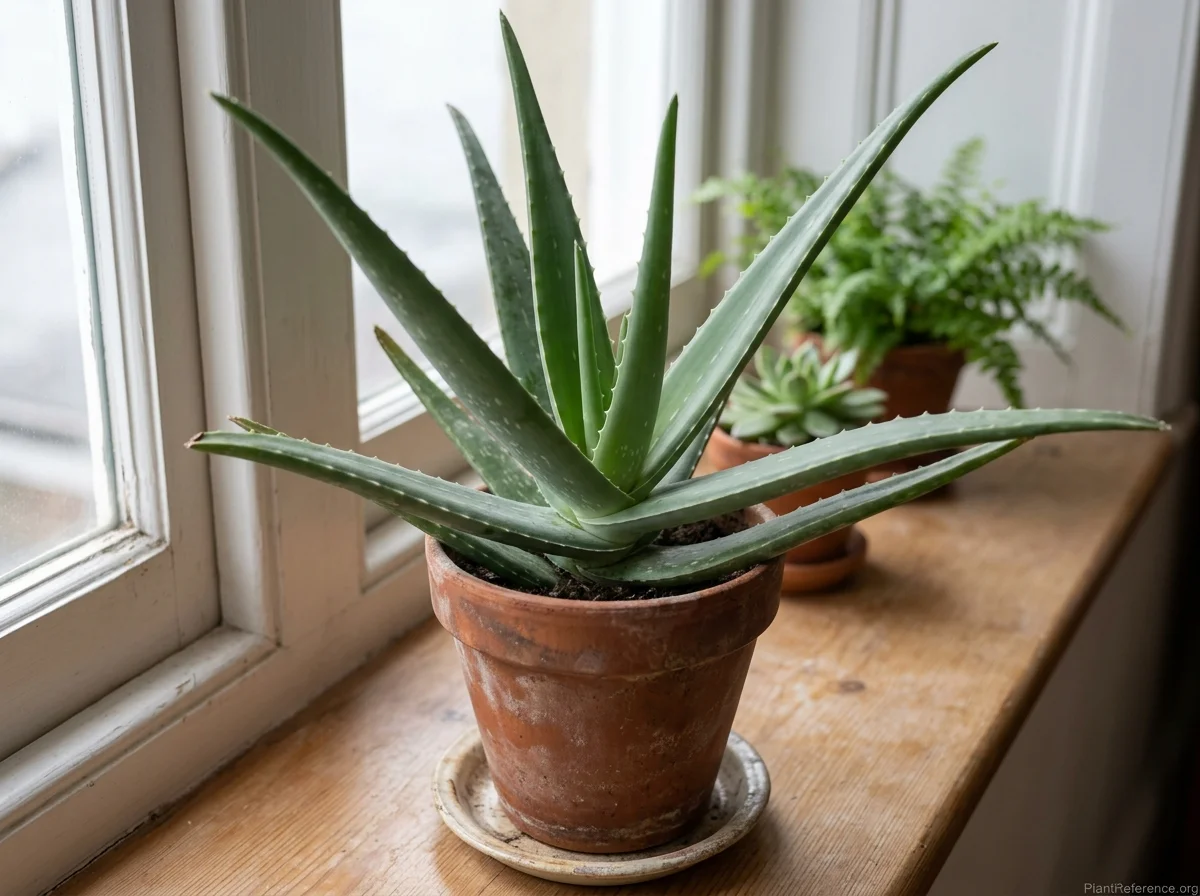
Aloe vera is the medicinal aloe, growing 12–24 inches (30–60 cm) tall and wide. Gray-green to blue-green thick fleshy leaves in a rosette with small white teeth along the margins. The clear gel inside the leaves has been used topically for burns, cuts, and skin irritation for over 6,000 years of documented cultivation. The yellow latex layer (aloin) between the outer leaf skin and the inner gel is a separate substance — a potent laxative that is toxic if ingested and irritating to skin. When harvesting gel, the yellow latex must be separated from the clear inner gel. Toxic to dogs and cats (saponins cause gastrointestinal symptoms). Produces abundant offsets (pups) from the rhizome base; a single plant can generate 10+ offsets per year in favorable conditions. Native to the Arabian Peninsula (likely Yemen and Oman), now cultivated worldwide in arid and semi-arid regions. Full sun for compact, colorful growth; low light causes etiolation (elongated, pale leaves). Well-draining cactus/succulent soil. Allow soil to dry completely between waterings. Overwatering causes root rot — the thick succulent leaves store water. Growth rate is moderate.
Native Range
Aloe vera is native to the Arabian Peninsula — likely Yemen and Oman. Cultivated for 6,000+ years.Suggested Uses
Grown in containers of 1–3 gallons (4–12 liters) in full sun to bright indirect light. Outdoors year-round in zones 9–11. Positioned near a kitchen window for convenient access to the gel for minor burns. Toxic to cats and dogs.How to Identify
Appearance
Size & Dimensions
Height1' - 2'
Width/Spread1' - 2'
Colors
Bloom Information
Detailed Descriptions
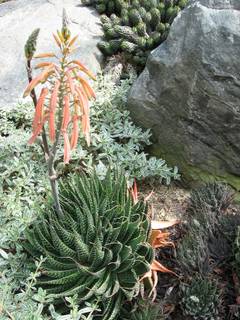
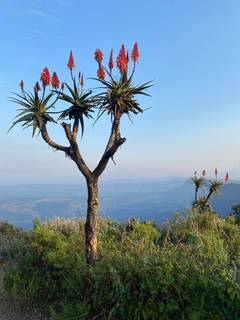
Flower Description
Yellow to orange, tubular, on a tall stalk (rare indoors)Foliage Description
Gray-green to blue-green, thick, fleshy, with small white teeth along the margins and white spots on juvenile leaves; filled with clear GELGrowing Conditions
Sun Requirements
Requires 4-10 hours of direct sunlight daily
• Full Sun: 6+ hours of direct sunlight
• Partial Shade: 3-6 hours of direct sunlight
• Full Shade: Less than 3 hours of direct sunlight
Care & Maintenance
Care Guide
Full sun for compact growth. Allow soil to dry completely between waterings — succulent leaves store water. Well-draining cactus/succulent mix. The clear inner gel is used topically; the yellow latex layer is toxic if ingested. Toxic to cats and dogs (saponins). Prolific offset production.Pruning
Remove dried outer leaves at the base. Separate offsets when they reach 3–4 inches (7–10 cm). Handle cut surfaces with care — yellow latex stains and irritates.Container Growing
Suitable for container growing
Minimum container size: 3 gallons