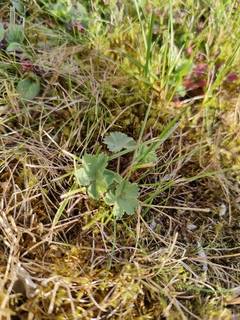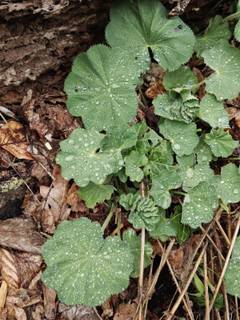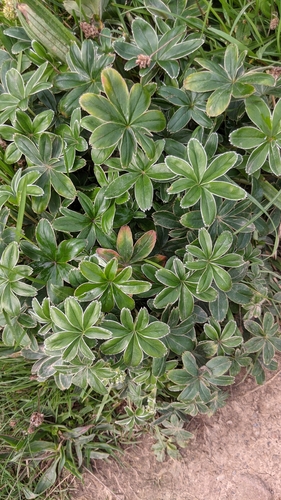
Alchemilla, Genus, conjuncta, Species,
- Genus & species
silver Lady's mantle
Southwestern Alps (France, Switzerland, Italy)
Overview
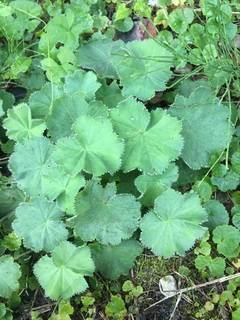
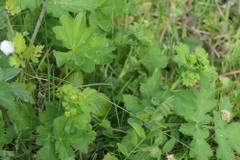
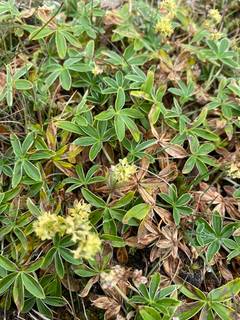
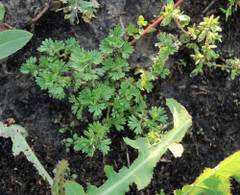
Alchemilla conjuncta is a compact, mounding perennial reaching 6–12 inches (15–30 cm) tall and 12–18 inches (30–45 cm) wide. Leaves are palmately lobed with 7–9 narrow lobes, 1–2 inches (2.5–5 cm) across, dark green on the upper surface with dense silvery sericeous (silky) hairs on the undersides and along the margins. The silver edging is visible from above, giving the leaves a distinctly outlined appearance. Foliage is semi-evergreen, holding through mild winters. Loose sprays of small, chartreuse to yellow-green flowers appear June through July on wiry stems 8–12 inches (20–30 cm) tall, rising above the foliage mound. Individual flowers are 2–3 mm across, lacking petals, with the colored sepals forming the visible flower structure. Plants spread slowly by short rhizomes, forming clumps 12 inches (30 cm) across within 3 years. Self-seeding occurs moderately in loose, well-drained soils. This species is smaller and more refined than A. mollis, with narrower leaf lobes and a more compact growth habit. Foliage becomes tatty by late summer in hot, dry conditions, particularly in zones 7–8. Plants decline in waterlogged winter soils.
Native Range
Native to the southwestern Alps of Europe, found in France (Savoie, Haute-Savoie), Switzerland, and northwestern Italy. Grows on rocky limestone slopes, alpine meadows, and scree at 3,000–8,000 feet (900–2,400 m) elevation.Suggested Uses
Commonly planted as an edging plant, in rock gardens, and along pathway borders at 12–15 inch (30–38 cm) spacing. Compact size and silver-edged foliage suit alpine troughs and container plantings in 2-gallon (7.5 L) or larger pots. Not suited to hot, humid climates or waterlogged soils.How to Identify
Appearance
Size & Dimensions
Height6" - 1'
Width/Spread1' - 1'6"
Bloom Information
Flowers June through July in zones 3–8. Individual flower sprays last 2–3 weeks; total bloom period extends about 4 weeks. In zone 8, bloom may begin in late May. Shearing spent flowers promotes a fresh flush of basal foliage.
Detailed Descriptions
Flower Description
Chartreuse to yellow-greenFoliage Description
Dark green upper surface with silvery sericeous undersides and marginsGrowing Conditions
Sun Requirements
Requires 4-8 hours of direct sunlight daily
• Full Sun: 6+ hours of direct sunlight
• Partial Shade: 3-6 hours of direct sunlight
• Full Shade: Less than 3 hours of direct sunlight
Care & Maintenance
Care Guide
Water regularly during the first growing season. Established plants tolerate moderate drought in cool climates but foliage becomes tatty in hot, dry conditions above 85°F (30°C). Well-drained soil is essential; plants decline in waterlogged winter conditions. Afternoon shade extends foliage quality in zones 7–8. Self-seeding is moderate; shear after bloom to prevent seed dispersal. No regular fertilization is needed. Crown rot may develop in heavy, poorly drained soils.Pruning
Shear the entire plant back to the basal foliage rosette after bloom in July–August to remove spent flower stems and refresh appearance. Fresh foliage emerges within 2–3 weeks. In mild climates, semi-evergreen foliage persists through winter and can be cut back in early spring before new growth. Divide clumps every 3–4 years in spring if the center becomes sparse.Pruning Schedule
Prune: July–August
summer
Container Growing
Suitable for container growing
Minimum container size: 2 gallons