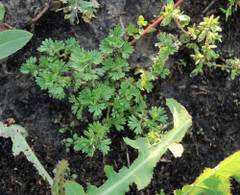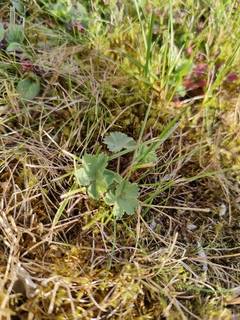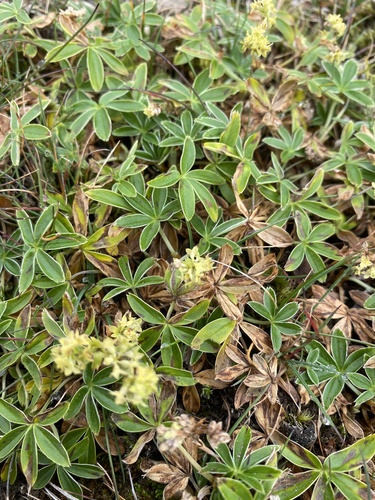
Alchemilla, Genus, spp., Multiple species,
- Genus
- Multiple species
Lady's-mantles
Temperate Europe, Asia, and African mountains
Overview
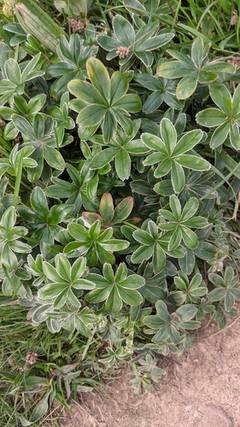
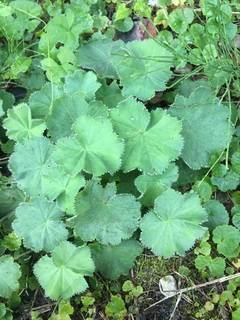
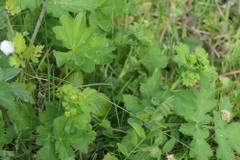
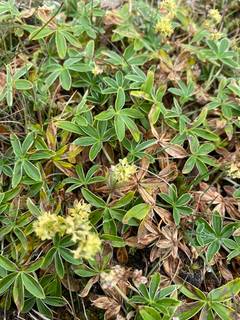
Alchemilla is a genus of about 300 or more species of clump-forming perennial herbs in the rose family (Rosaceae), native to cool temperate and mountain regions of Europe, Asia, and Africa. Plants form low mounds 6-18 inches (15-45 cm) tall and 18-30 inches (45-75 cm) wide of soft, rounded, palmately lobed leaves that are pleated like a fan and edged with small teeth. The leaf surface is covered in soft hairs that trap rain and dew into silvery beads held on the blade. Airy sprays of tiny yellow-green to chartreuse flowers, each without petals and only 0.1 inch (3 mm) across, rise above the foliage in early to midsummer in branched clusters. Many species reproduce without fertilization (apomixis), so seedlings come true and plants self-sow readily, sometimes to the point of weediness. A. mollis is the species most grown in gardens, used as edging, ground cover, and a filler in cut arrangements. Plants are hardy to about USDA zone 3 and tolerate a wide range of soils. The flowers and lobed foliage are used fresh and dried by florists. Foliage can scorch in hot, dry, exposed sites.
Native Range
Alchemilla species are native to cool temperate Europe and Asia and the mountains of eastern Africa, growing in meadows, woodland edges, streambanks, and alpine turf. A. mollis, the common garden species, originates in the Carpathians and the mountains of Turkey and the Caucasus.Suggested Uses
Alchemilla is used as edging along paths, as ground cover under roses and shrubs, and as a softening filler in mixed borders, spaced 12-18 inches (30-45 cm) apart. The foliage and flowers are cut fresh and dried for arrangements. Low species suit rock gardens, wall tops, and the gaps between paving.How to Identify
Appearance
Size & Dimensions
Height6" - 1'6"
Width/Spread1'6" - 2'6"
Bloom Information
Alchemilla flowers in early to midsummer, generally June to July, with a froth of yellow-green blooms that last three to four weeks. Cutting the plant back after flowering can bring a lighter second show of foliage and bloom. The flowers hold their color as they dry on the plant.
Detailed Descriptions
Flower Description
yellow-green to chartreuseFoliage Description
soft greenGrowing Conditions
Sun Requirements
Requires 3-8 hours of direct sunlight daily
• Full Sun: 6+ hours of direct sunlight
• Partial Shade: 3-6 hours of direct sunlight
• Full Shade: Less than 3 hours of direct sunlight
Care & Maintenance
Care Guide
Plants grow in full sun to part shade in moist, well-drained soil of average fertility, tolerating clay and a pH from acid to slightly alkaline. In hot regions afternoon shade and steady moisture prevent the leaf edges from browning, while in cool climates the plants take full sun. Established clumps are fairly drought-tolerant but grow more lushly with even moisture. Few pests or diseases trouble the genus. Self-sown seedlings can appear in large numbers, and shearing off the flowers before seed set limits spread. Plants regrow quickly from the crown if cut back hard in midsummer.Pruning
Shearing the whole plant to the ground after flowering removes tired foliage and spent blooms and prompts a fresh mound of leaves. Cutting off flower stems before seed ripens limits self-sowing. No other pruning is needed.Container Growing
Suitable for container growing