Image 1 of 23
1 / 23
Plant Reference
Alchemilla, Genus, mollis, Species,
- Genus & species
Lady's mantle
Caucasus region, eastern Turkey, and adjacent parts of southwestern Asia
Overview
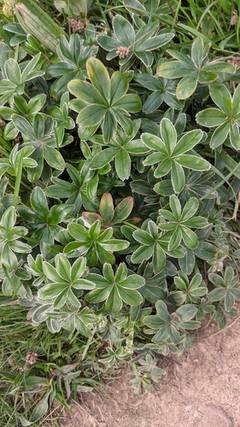
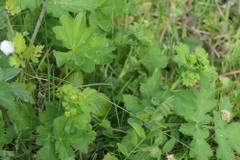
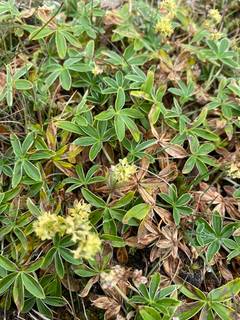
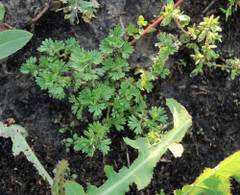
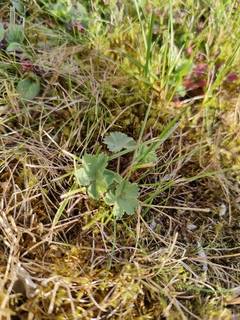
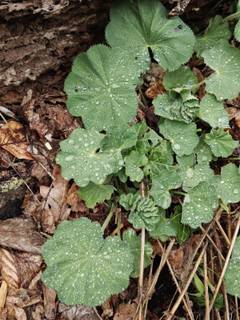
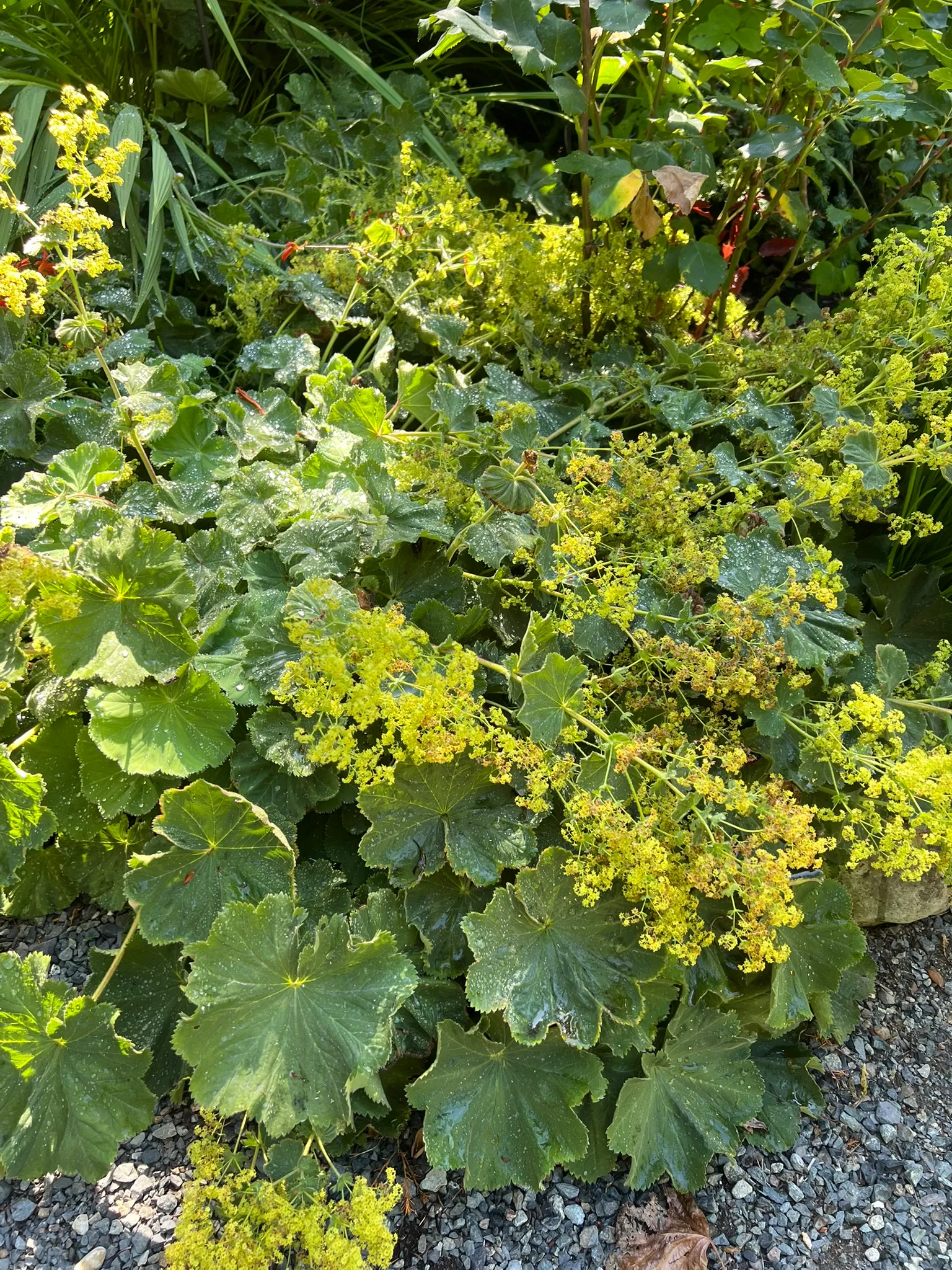
Alchemilla mollis is a clump-forming herbaceous perennial reaching 12–18 inches (30–45 cm) tall with a spread of 18–24 inches (45–60 cm). Leaves are rounded, 2–5 inches (5–13 cm) across, with 9–11 shallow toothed lobes and a soft, pleated texture. Short hairs cover the leaf surface and cause rain and dew to bead into spherical droplets on the upper surface, a trait shared across the genus and used historically in alchemy, which gave rise to the genus name. Leaves emerge in spring and are carried through summer; foliage dies back naturally to the ground in late fall. In late spring to early summer, branching stems bear loose clusters of small chartreuse-yellow flowers, each roughly 3 mm (0.12 inch) across, in airy sprays above the foliage; the color comes from four yellow-green sepals, and petals are absent. Plants spread modestly by short rhizomes and self-seed freely in moist, fertile soils, producing volunteer seedlings that may colonize adjacent beds and paths. Hardy in USDA zones 3–8. Limitation: foliage scorches and browns in hot, dry summers above 85°F (29°C) and often looks ragged by mid to late summer in zones 7–8, requiring a midseason cutback, and prolific self-seeding can produce unwanted seedlings in fertile moist soils.
Native Range
Native to the Caucasus region, eastern Turkey, and adjacent parts of southwestern Asia, growing in moist mountain meadows, woodland margins, and stream banks from sea level to approximately 7,000 feet (2,100 m) elevation. Naturalized in parts of western Europe and northeastern North America from garden escapes.Suggested Uses
Used as a groundcover or edging plant in shaded to partially shaded borders, perennial beds, and path margins at 18–24 inch (45–60 cm) spacing. Self-seeding can colonize disturbed or moist soils and spread into turf or adjacent beds, which makes siting near maintained lawn or manicured beds a consideration. Cut flower sprays hold for 7–10 days in water as border filler in mixed arrangements. Dry soils, hot exposed sites, and alkaline conditions are unsuitable.How to Identify
Appearance
Size & Dimensions
Height1' - 1'6"
Width/Spread1'6" - 2'
Colors
Bloom Information
Chartreuse-yellow flowers open from May through July in zones 4–7. In zone 3, bloom begins in June; in zones 8, bloom often finishes by June before summer heat intensifies. Individual flowers last several days, and the overall flowering period extends 4–6 weeks. A midsummer cutback can produce a secondary flush of fresh foliage in 2–3 weeks.
Detailed Descriptions
Flower Description
chartreuse-yellow; in airy branching sprays above the foliageFoliage Description
pale to mid-green; rounded, 2-5 inches (5-13 cm) across, with 9-11 shallow toothed lobes and a soft, pleated texture covered in short hairs that cause water droplets to bead on the surfaceGrowing Conditions
Sun Requirements
Requires 3-6 hours of direct sunlight daily
• Full Sun: 6+ hours of direct sunlight
• Partial Shade: 3-6 hours of direct sunlight
• Full Shade: Less than 3 hours of direct sunlight
Care & Maintenance
Care Guide
Site in partial shade to full sun with 3–6 hours of direct sun per day in moist, humus-rich soil with a pH of 5.5–7.0. Afternoon shade is required in zones 7–8 to limit leaf scorch. Water regularly during establishment; established plants tolerate brief dry intervals but foliage quality drops in prolonged dry periods. Cutting back the plant to 2–3 inches (5–8 cm) in midsummer after bloom or when foliage becomes ragged produces fresh leaf regrowth within 2–3 weeks. Prompt deadheading reduces self-seeding. Division every 3–5 years in spring maintains clump vigor, and outer divisions establish readily. Hardy in USDA zones 3–8.Pruning
Spent flower stems and any ragged or scorched foliage can be cut back to 2–3 inches (5–8 cm) above ground in midsummer to encourage fresh leaf growth. A second cutback in early fall tidies the clump before winter. In zones 3–5, foliage dies back naturally; remaining stems can be cut to ground level in late fall or early spring.Pruning Schedule
Prune: July–August & October
summerfall
Container Growing
Suitable for container growing
Minimum container size: 3 gallons