Agrostis, Genus, capillaris, Species,
- Genus & species
colonial bentgrass
Europe (British Isles, Scandinavia, temperate continental Europe); naturalized in cool-temperate regions worldwide
Overview
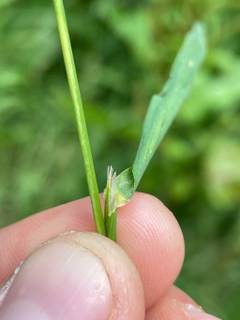
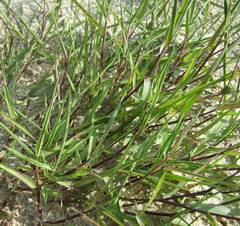
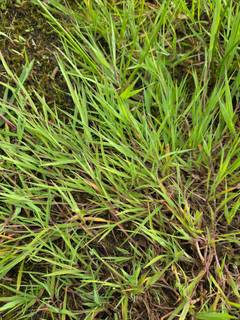
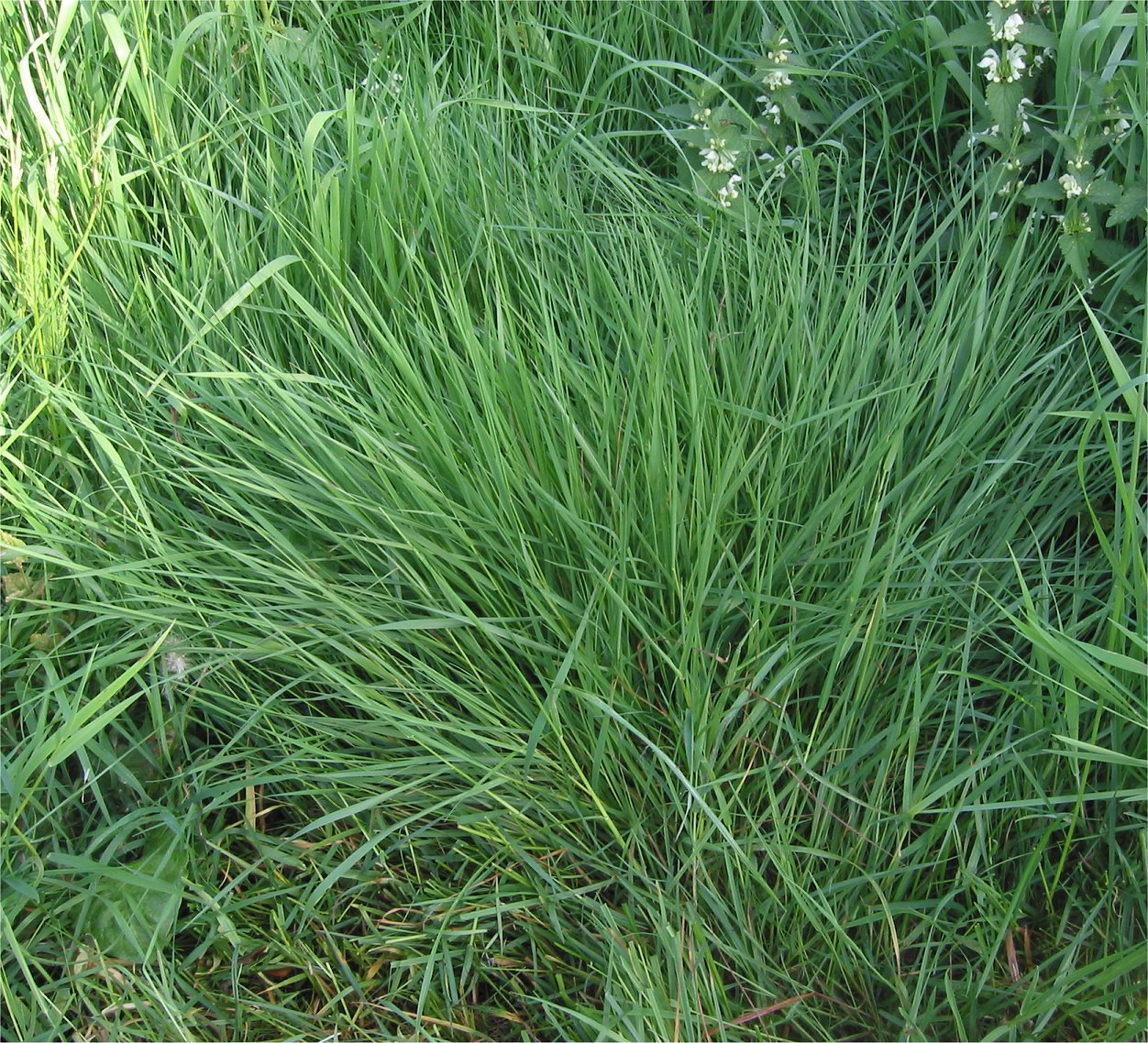
Agrostis capillaris is a cool-season perennial turf grass forming dense low-growing mats through both short rhizomes and tillers. Leaf blades are narrow — typically 2–4 mm (0.08–0.16 inch) wide — with a smooth surface and a boat-shaped leaf tip characteristic of the genus. Delicate open panicles of tiny spikelets emerge on slender culms 8–20 inches (20–50 cm) tall and carry a hazy purplish-green to tan inflorescence when in flower. The species carries both short rhizomes and above-ground stolons, though the rhizomes are less developed than in Agrostis stolonifera, and the growth habit is more upright than creeping bentgrass. Moderate foot traffic is tolerated once turf is established; heavy traffic during hot weather causes stress damage. The species is not drought-tolerant; consistent summer moisture is required to maintain turf density, and performance drops quickly in hot dry conditions. Hardy in USDA zones 3–7.
Native Range
Agrostis capillaris is native to Europe, particularly throughout the British Isles, Scandinavia, and the temperate regions of continental Europe, in grasslands, meadows, heathlands, and roadsides. The species has naturalized widely in cool-temperate regions of North America and elsewhere and appears as a weedy grass in lawns and pasture.Suggested Uses
Planted on golf course fairways and tees, residential and commercial lawns where a low-mowing cool-season turf is wanted, as an overseed for winter color in cool-season turf, in naturalized meadow plantings, and for erosion control on slopes in USDA zones 3–7. The species fits positions where consistent summer moisture can be supplied, and is not used in hot summer climates or dry-site applications where Festuca ovina or Bouteloua gracilis perform better. The open flowering panicle contributes a hazy texture in naturalized plantings where the grass is allowed to flower.How to Identify
Appearance
Bloom Information
Flowers in late spring to early summer, producing open panicles of tiny spikelets in a hazy purplish-green to tan cloud on slender culms 8–20 inches (20–50 cm) tall. In turf applications, regular mowing prevents flowering; in naturalized plantings, inflorescences are left to mature for the cloud-like effect through June and July.
Detailed Descriptions
Flower Description
Purplish-green to tan; tiny spikelets in open delicate panicles on slender culms 8–20 inches (20–50 cm) tallFoliage Description
Medium to dark green; narrow 2–4 mm (0.08–0.16 inch) wide; smooth surface; boat-shaped leaf tipGrowing Conditions
Sun Requirements
Full Sun
Soil pH
5.5-7.0
Water & Climate
Water Needs
Frost Tolerance