Overview
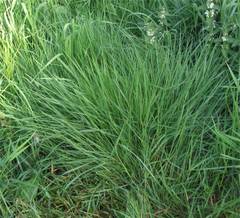
Agrostis gigantea is redtop (black bentgrass), a cool-season perennial grass growing 12-24 inches (30-60 cm) tall and spreading by rhizomes. Open airy panicles 4-8 inches (10-20 cm) mature from green to reddish-purple in summer (June-July) — the reddish-purple tint gives the common name 'redtop.' Medium green flat leaves 0.15-0.3 inch (4-8 mm) wide. In the grass family (Poaceae). The genus Agrostis contains approximately 200 species. Native to Europe and western Asia — widely naturalized across North America, introduced as a pasture and erosion-control grass. Tolerates acidic soil, poorly drained sites, and heavy clay — one of the first grasses to establish on disturbed ground. Spreads aggressively by rhizomes — not suited to mixed borders or small gardens. A common component of meadow and roadside seed mixes. The pollen is a significant allergen during flowering. Cool-season grass: actively growing in spring and fall, semi-dormant in summer heat. Non-toxic (used as livestock forage). Not deer-resistant (grazed). Full sun to partial shade. Zones 3-8. Growth rate is fast.
Native Range
Native to Europe and western Asia. Widely naturalized across North America (introduced as a pasture and erosion-control grass).Suggested Uses
Used in meadow restorations, erosion control, and pasture seed mixes. Tolerates acidic and poorly drained sites. Aggressive rhizomatous spread — not for garden borders. Non-toxic. Pollen allergen.How to Identify
Appearance
Size & Dimensions
Height1' - 2'
Width/Spread1' - 2'
Bloom Information
Summer (June-July), lasting 3-4 weeks. Open airy panicles maturing to reddish-purple. Pollen is a significant allergen. Cool-season grass.
Detailed Descriptions
Flower Description
Green maturing to reddish-purple; open airy panicles 4-8 inches (10-20 cm) on stems above the foliage in summer — the reddish-purple tint of the mature panicles gives the common name 'redtop'Foliage Description
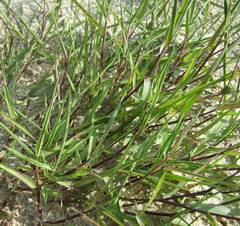
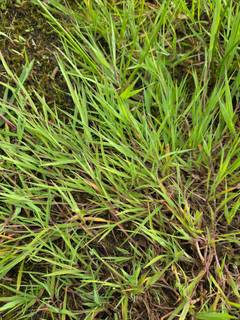
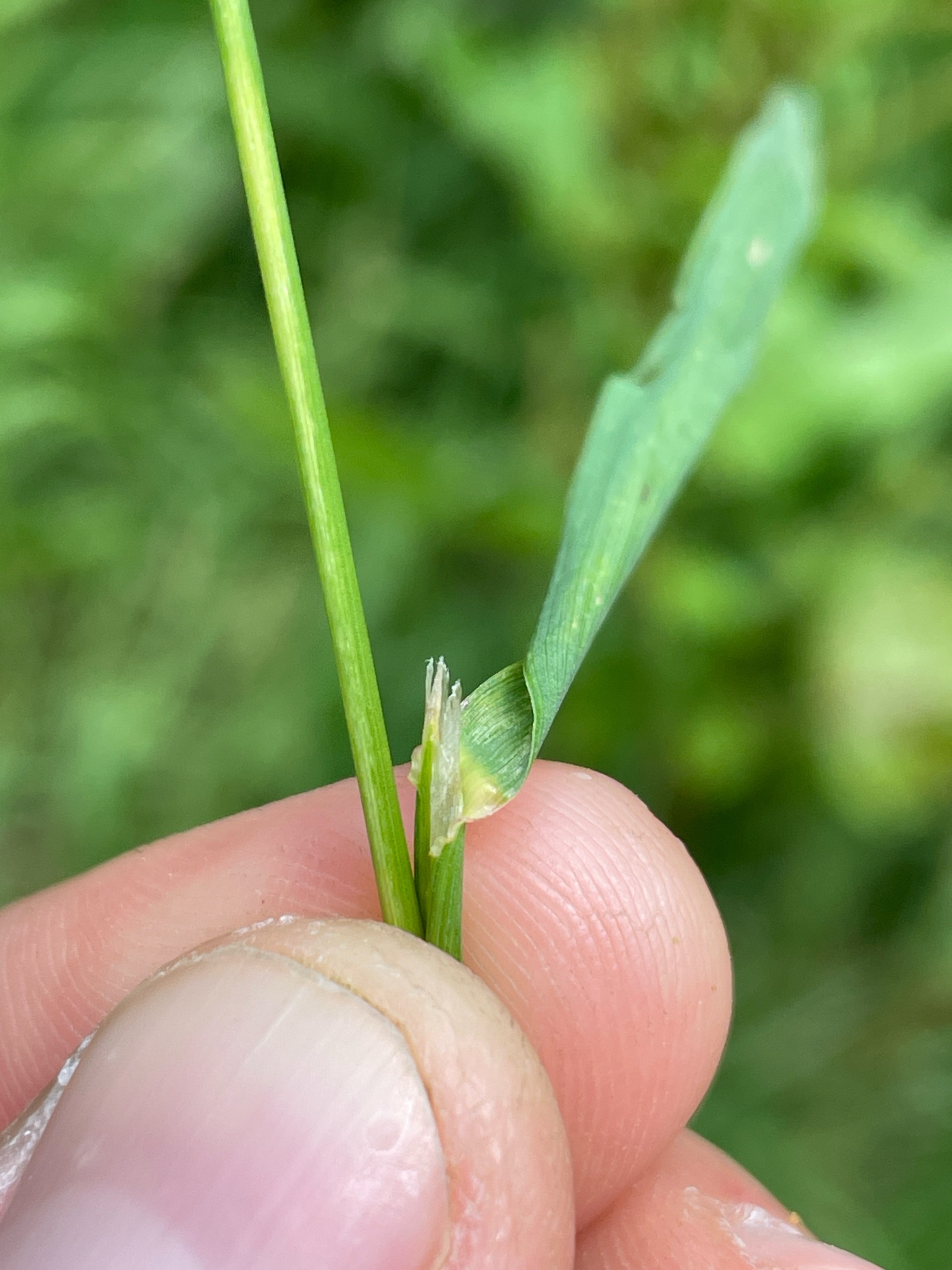
Medium green, flat, 0.15-0.3 inch (4-8 mm) wide, rough-textured on the upper surfaceGrowing Conditions
Sun Requirements
Requires 4-10 hours of direct sunlight daily
• Full Sun: 6+ hours of direct sunlight
• Partial Shade: 3-6 hours of direct sunlight
• Full Shade: Less than 3 hours of direct sunlight
Care & Maintenance
Care Guide
Full sun to partial shade. Tolerates acidic and poorly drained soil. Aggressive rhizomatous spread — not for mixed borders. Cool-season grass. Pollen allergen. Non-toxic (livestock forage). Zones 3-8.Pruning
Mow or cut to 3-4 inches (7-10 cm) after flowering to reduce self-seeding. In meadow settings, leave standing through winter. Cut dead foliage in early spring (March).Pruning Schedule
Prune: March
early spring