Agrostis, Genus, stolonifera, Species,
- Genus & species
creeping bentgrass
Europe, western and northern Asia, parts of northern Africa; moist meadows, coastal areas, and disturbed soils; naturalized in temperate North America
Overview
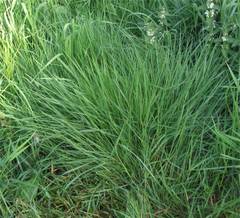
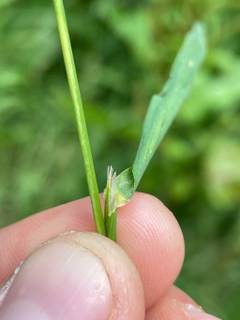
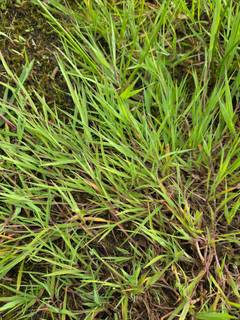
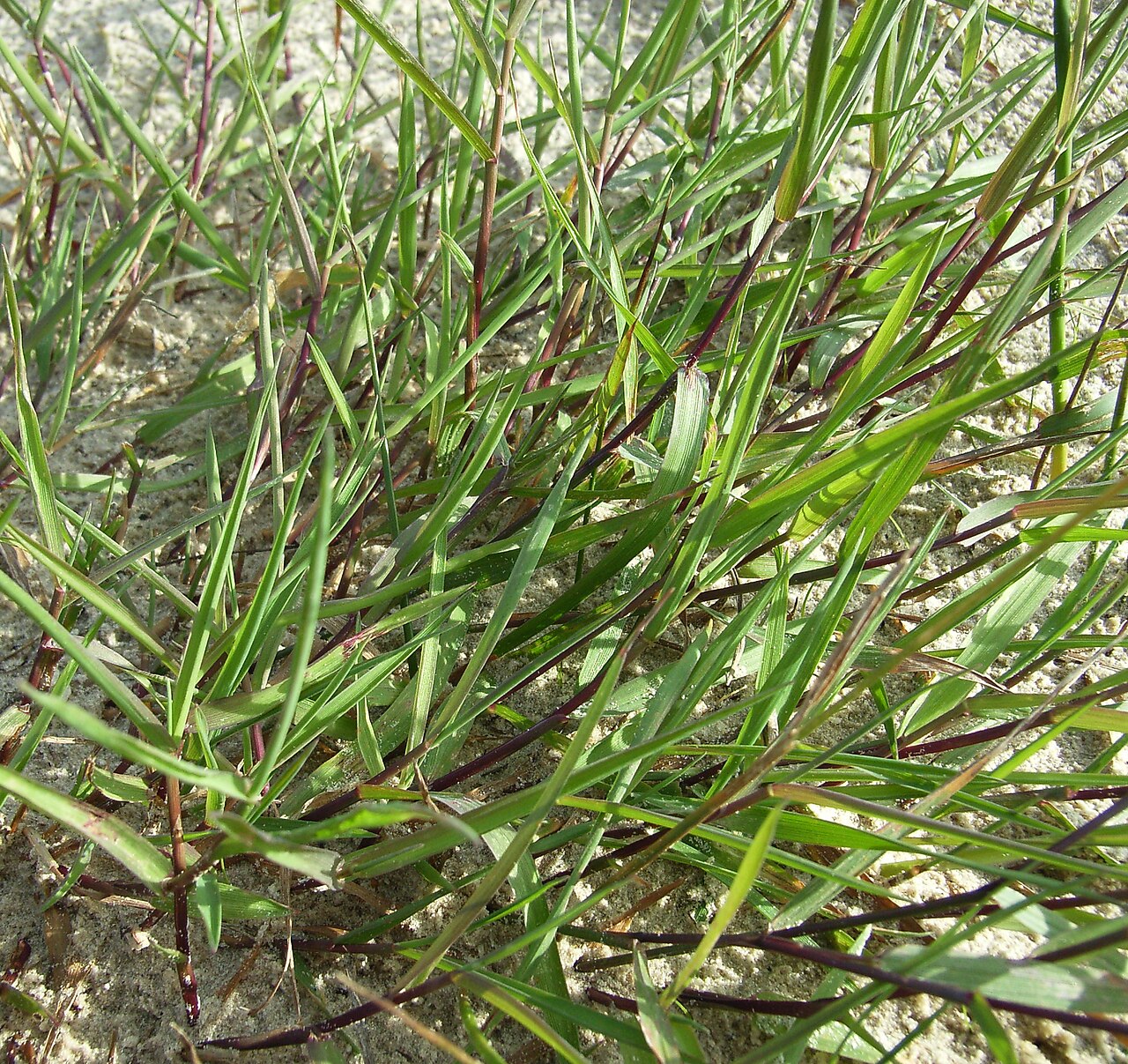
Agrostis stolonifera is a cool-season perennial turf grass forming dense mat-like turf through a creeping growth habit. The species produces numerous above-ground stolons that spread horizontally and root at the nodes to form new plants and a thick carpet-like lawn surface. Leaf blades are narrow — typically 2–4 mm (0.08–0.16 inch) wide — with bright to medium green color, a smooth surface, and a boat-shaped leaf tip. The inflorescence is an open pyramidal panicle 4–20 cm (1.5–8 inches) long carrying tiny purplish to bronze spikelets that mature to a tan or straw color; individual spikelets are 2–3 mm long and each contains a single floret. An extensive fibrous root system combined with the stoloniferous spread suits the species to dense uniform turf surfaces that tolerate heavy foot traffic and frequent low mowing. Hardy in USDA zones 3–9. Heat tolerance is lower than for warm-season turf grasses, and additional summer watering is required in hot inland climates.
Native Range
Agrostis stolonifera is native to Europe, western and northern Asia, and parts of northern Africa, occurring in moist meadows, coastal areas, and disturbed soils throughout temperate Eurasia from the British Isles east to Siberia and south to the Mediterranean basin. The species has naturalized widely in North America and is sometimes classified as weedy in lawns and pastures where it invades bunch-type turf.Suggested Uses
Planted on golf course greens, tees, and fairways where the tolerance for close mowing and the mat-forming habit produce a uniform putting surface, on high-grade lawns where a low-mow cool-season turf is wanted, on athletic fields requiring a dense traffic-tolerant turf, and as an overseed component in cool-season renovation projects. The species performs reliably in coastal areas and in regions with cool moist summers; in hot-summer inland gardens, supplemental irrigation is required throughout the summer months to maintain the turf.How to Identify
Appearance
Bloom Information
Flowers in late spring to early summer, producing open pyramidal panicles 4–20 cm long carrying tiny purplish to bronze spikelets that mature to a tan or straw color. In turf applications, regular mowing prevents flowering; in naturalized plantings, inflorescences mature from June through July.
Detailed Descriptions
Flower Description
Purplish to bronze maturing to tan or straw color; tiny spikelets in open pyramidal panicles 4–20 cm longFoliage Description
Bright to medium green; narrow 2–4 mm (0.08–0.16 inch) wide; smooth surface; boat-shaped leaf tipGrowing Conditions
Sun Requirements
Full Sun
Soil pH
6.0-7.5
Water & Climate
Water Needs
Frost Tolerance