Adenanthos, Genus, spp., Multiple species,
- Genus
- Multiple species
Woollybush
Overview
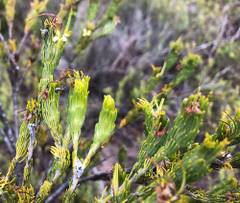
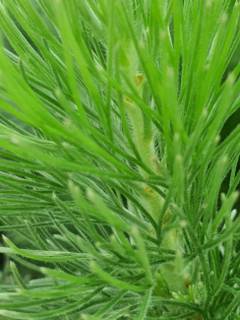
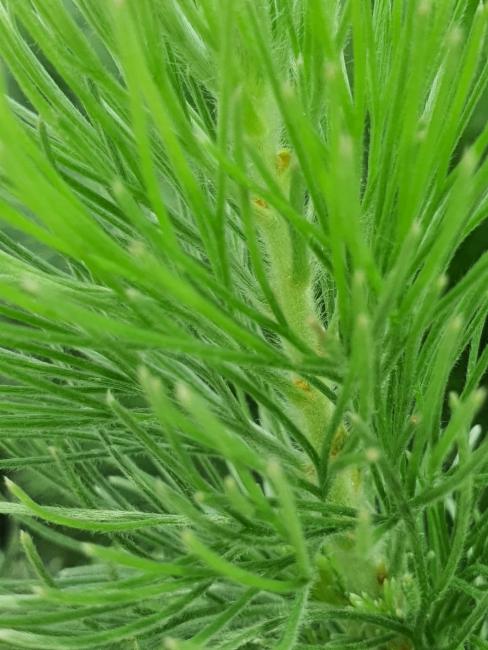
Adenanthos is a genus of about 30 evergreen shrubs and small trees in the protea family, native almost entirely to the south-west of Western Australia with a few species reaching South Australia and Victoria. Across the genus, plants range from low, spreading shrubs under 20 inches (50 cm) to upright forms 10 feet (3 m) or more tall. Many species, such as A. sericeus, carry soft, deeply divided leaves coated in silky silver hairs, while others have small, crowded leaves; the woolly, finely cut foliage of the woollybushes gives the genus much of its garden interest. The flowers are tubular and borne singly in the leaf axils, usually red, orange, or pink, and rich in nectar that draws honeyeaters and other birds. Plants grow on poor, sandy, acidic soils and are adapted to low-phosphorus conditions, so they react badly to standard fertilisers. They withstand drought and coastal wind once established but are damaged by hard frost, tolerating only light cold. Wet, heavy, or limy soils cause root rot and decline. Most species resprout poorly after fire or hard cutting, regenerating instead from seed.
Native Range
Adenanthos is native to southern Australia, with its centre of diversity in the south-west of Western Australia and outliers in South Australia and Victoria. Its species grow in heathland, sandplain, and open woodland on nutrient-poor sandy soils under a Mediterranean climate of wet winters and dry summers.Suggested Uses
Grown in native, coastal, and low-water gardens on sandy soils, and as foliage shrubs where the soft silver leaves are wanted. The woollybush species are cut for the floristry trade and used as living potted Christmas trees in Australia. Their bird-attracting flowers suit wildlife plantings in frost-free Mediterranean climates.How to Identify
Appearance
Size & Dimensions
Height1'8" - 10'
Width/Spread2' - 8'
Bloom Information
Flowering varies by species but falls mainly in late winter through spring, with some species blooming on and off through the year in mild climates. The small tubular flowers open red, orange, or pink and carry nectar that draws birds. Bloom is heaviest where plants grow in full sun on lean soils.
Detailed Descriptions
Flower Description
red, orange, or pinkFoliage Description
silver-green to grey-greenGrowing Conditions
Sun Requirements
Requires 6-12 hours of direct sunlight daily
• Full Sun: 6+ hours of direct sunlight
• Partial Shade: 3-6 hours of direct sunlight
• Full Shade: Less than 3 hours of direct sunlight
Care & Maintenance
Care Guide
Grow in full sun in light, sandy, sharply drained acidic soil, as heavy clay and limy soils lead to root rot. Water lightly until established, then only in long droughts, since the genus is adapted to dry summers. Use no phosphorus fertiliser, because these proteas take up phosphate to harmful levels and can be killed by ordinary plant feeds; a low-phosphorus native blend is used where feeding is wanted. Most species are frost-tender and suit USDA zones 9 to 11, needing container culture under cover in colder regions. Open air movement and unmulched, free-draining ground around the base reduce the fungal rots that affect the family.Pruning
Tip-prune lightly after flowering to keep plants bushy, cutting only into leafy growth. Most Adenanthos regrow weakly from bare old wood, so hard cutting into leafless stems often kills the stem. The woollybush species tolerate light shearing, which is how cut stems are harvested for foliage.Pruning Schedule
spring
Container Growing
Suitable for container growing
Minimum container size: 5 gallons