Actinotus, Genus, helianthi, Species,
- Genus & species
flannel flower
Eastern Australia (mainly New South Wales)
Overview
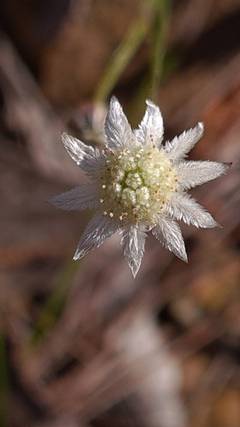
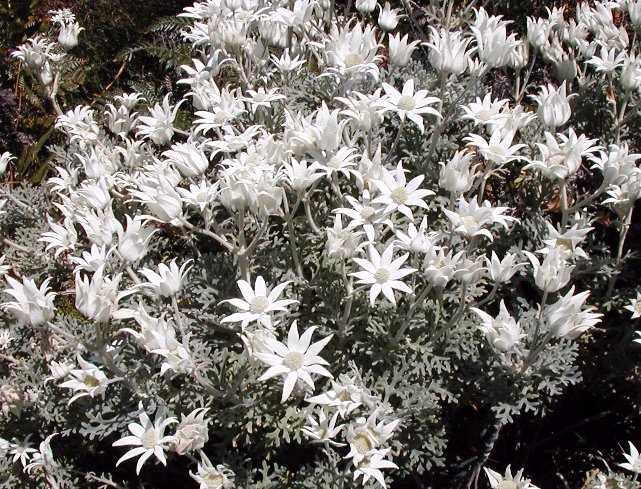
Actinotus helianthi is a soft, woolly perennial, often short-lived and grown as an annual, reaching 30-90 cm (12-35 in) tall. The whole plant is covered in dense grey-white woolly hairs, giving the deeply divided, lobed leaves a felted texture. The flower heads are umbels of tiny cream flowers surrounded by 10-18 spreading, petal-like white bracts tipped with grey-green, the whole head 5-8 cm (2-3 in) across and resembling a single daisy. Flowering peaks in spring but can continue through much of the year in mild conditions. The species grows in sandstone heath, dry sclerophyll woodland, and coastal scrub in sharply drained, low-nutrient sandy soils. It is sensitive to humidity, root disturbance, and rich soils. Limitation: plants are short-lived and often die after one or two seasons, and they decline quickly in heavy or poorly drained soils.
Native Range
Eastern Australia, mainly New South Wales with extensions into southern Queensland. It grows on sandstone heath, in dry sclerophyll woodland, and in coastal scrub on sandy, low-nutrient soils.Suggested Uses
Grown in containers, rockeries, and sandy native gardens, and cut for long-lasting floral displays. It suits sharply drained, sunny positions with low fertility.How to Identify
Appearance
Size & Dimensions
Height1' - 2'11"
Width/Spread8" - 1'8"
Bloom Information
White woolly-textured heads appear mainly in spring, from August to December, and can flower sporadically at other times in mild climates. Peak flowering follows winter rains. Each head lasts several weeks.
Detailed Descriptions
Flower Description
white with green tipsFoliage Description
grey-green, woollyGrowing Conditions
Sun Requirements
Requires 6-10 hours of direct sunlight daily
• Full Sun: 6+ hours of direct sunlight
• Partial Shade: 3-6 hours of direct sunlight
• Full Shade: Less than 3 hours of direct sunlight
Care & Maintenance
Care Guide
Grows in sharply drained, sandy, low-nutrient soils in full sun, matching its sandstone-heath origin. It needs free air movement and declines in humidity, rich soils, and waterlogged conditions. The roots rot in constantly moist soil, so water is needed only when the soil has dried. Phosphorus-rich fertilisers damage the roots. Plants tolerate light frost but not prolonged cold or waterlogging. The species is usually grown from seed and replaced as plants age.Pruning
Light tip pruning after flowering encourages branching and can extend the short life of the plant. Spent heads can be removed to prolong flowering. Cutting into bare woody stems produces little regrowth.Container Growing
Suitable for container growing
Minimum container size: 2 gallons