Actinotus, Genus, spp., Multiple species,
- Genus
- Multiple species
flannel flowers
Overview
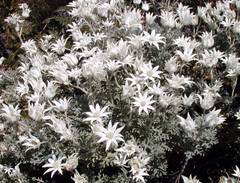
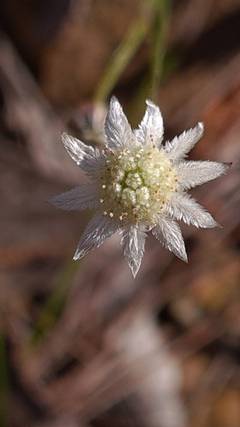
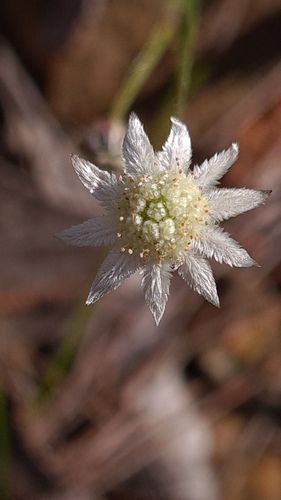
Actinotus is a genus of herbs and soft subshrubs in the carrot family (Apiaceae), with about eighteen species native to Australia and New Zealand. Plants range from low annuals to short-lived perennials 15–90 cm (6–35 in) tall, with deeply divided, grey-green leaves covered in soft, woolly hairs that give the foliage a felted look. What appears to be a single daisy-like flower is in fact a dense head of many tiny flowers surrounded by a ring of woolly, petal-like bracts, cream to greenish and often grey-tipped, 2–8 cm (0.8–3 in) across in the familiar A. helianthi, the flannel flower. The soft, flannel texture of the bracts gives the genus its name. Actinotus grows in full sun on sharp, sandy, low-nutrient soils in heath, woodland, and coastal scrub, and tolerates drought, wind, and poor ground but rots in rich, wet, or poorly drained soil. Many species are short-lived and depend on fire or disturbance to trigger seed germination, so plantings need renewing from seed. The woolly flower heads last well as cut flowers.
Native Range
Actinotus is native to Australia, with most species in the eastern and southwestern states, and one species in New Zealand. The plants grow in open heath, sandy woodland, coastal scrub, and rocky ground, usually on poor, free-draining soils.Suggested Uses
Planted in native, coastal, and rockery gardens, in containers and raised beds with sharp drainage, and as a grey-foliage and cut-flower plant. Grown from seed in heath and wildflower plantings. Suited to lean, dry, sunny sites rather than rich or humid gardens.How to Identify
Appearance
Size & Dimensions
Height6" - 2'11"
Width/Spread8" - 2'
Colors
Foliage Colors
Bloom Information
Actinotus flowers mainly in spring and early summer, with A. helianthi blooming from late winter into summer and again after rain or fire. The woolly heads open over several weeks. In favourable seasons some species flower over a long period.
Detailed Descriptions
Flower Description
cream to greenishFoliage Description
grey-greenGrowing Conditions
Sun Requirements
Requires 6-12 hours of direct sunlight daily
• Full Sun: 6+ hours of direct sunlight
• Partial Shade: 3-6 hours of direct sunlight
• Full Shade: Less than 3 hours of direct sunlight
Care & Maintenance
Care Guide
Grow Actinotus in full sun on sharp, sandy or gravelly, low-nutrient soil with free drainage. It tolerates drought, heat, wind, and coastal exposure but rots quickly in rich, heavy, or wet ground and dislikes humidity and root disturbance. A soil pH from about 5.0 to 6.5 suits it. Water sparingly once established. Phosphorus-rich fertiliser harms many native species, including these. Plants are often short-lived, so replacements are raised from seed, and a gravel mulch keeps the crown dry.Pruning
Actinotus needs little pruning. A light trim after the main flush of flowering can prompt fresh growth and more blooms on perennial species. Removing spent heads extends flowering and supplies seed for raising new plants.Container Growing
Suitable for container growing
Minimum container size: 3 gallons
Toxicity
Non-toxicPlanting Guide
Planting Methods & Timing
Planting Method
both
Direct Sow Timing
Sow in autumn; germination is aided by smoke or heat treatment
Plant Spacing
12 inches