Actinidia, Genus, chinensis, Species,
- Genus & species
Kiwifruit
Overview
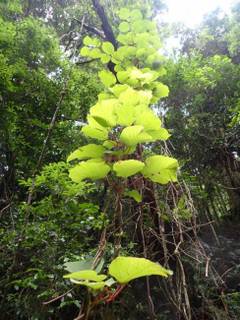
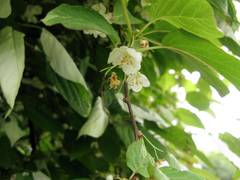
Actinidia chinensis is a vigorous, deciduous, twining vine in the Actinidiaceae family, with stems 15–30 feet (4.5–9 m) long on supports and a spread of 10–20 feet (3–6 m). Young stems are covered in dense reddish-brown hairs, and older stems become woody with shredding bark. Leaves are alternate, broadly ovate to nearly round, 3–7 inches (7–17 cm) long, with a heart-shaped base, dark green above and densely hairy beneath. Plants are dioecious: male and female flowers are borne on separate plants, so fruit forms only on females, with one male for every 6–8 females. Flowers are 1–1.5 inches (2.5–4 cm) wide, white aging to yellow-buff, and lightly fragrant, opening in May and June. Fruits are ellipsoid berries 2–3 inches (5–8 cm) long with brown, hairy to smooth skin and green to yellow flesh, ripening in October and November. Stems extend 6–10 feet (1.8–3 m) per year. Plants need a sturdy trellis, a frost-free season of about 220–240 days, and shelter from wind, and spring frost below 28°F (−2°C) damages new shoots. Fruit contains actinidin, a protease that causes mouth irritation in some people.
Native Range
Actinidia chinensis is native to central and eastern China, including the Yangtze River valley, where it climbs through trees in forests and thickets on mountain slopes at elevations of 650–3,300 feet (200–1,000 m).Suggested Uses
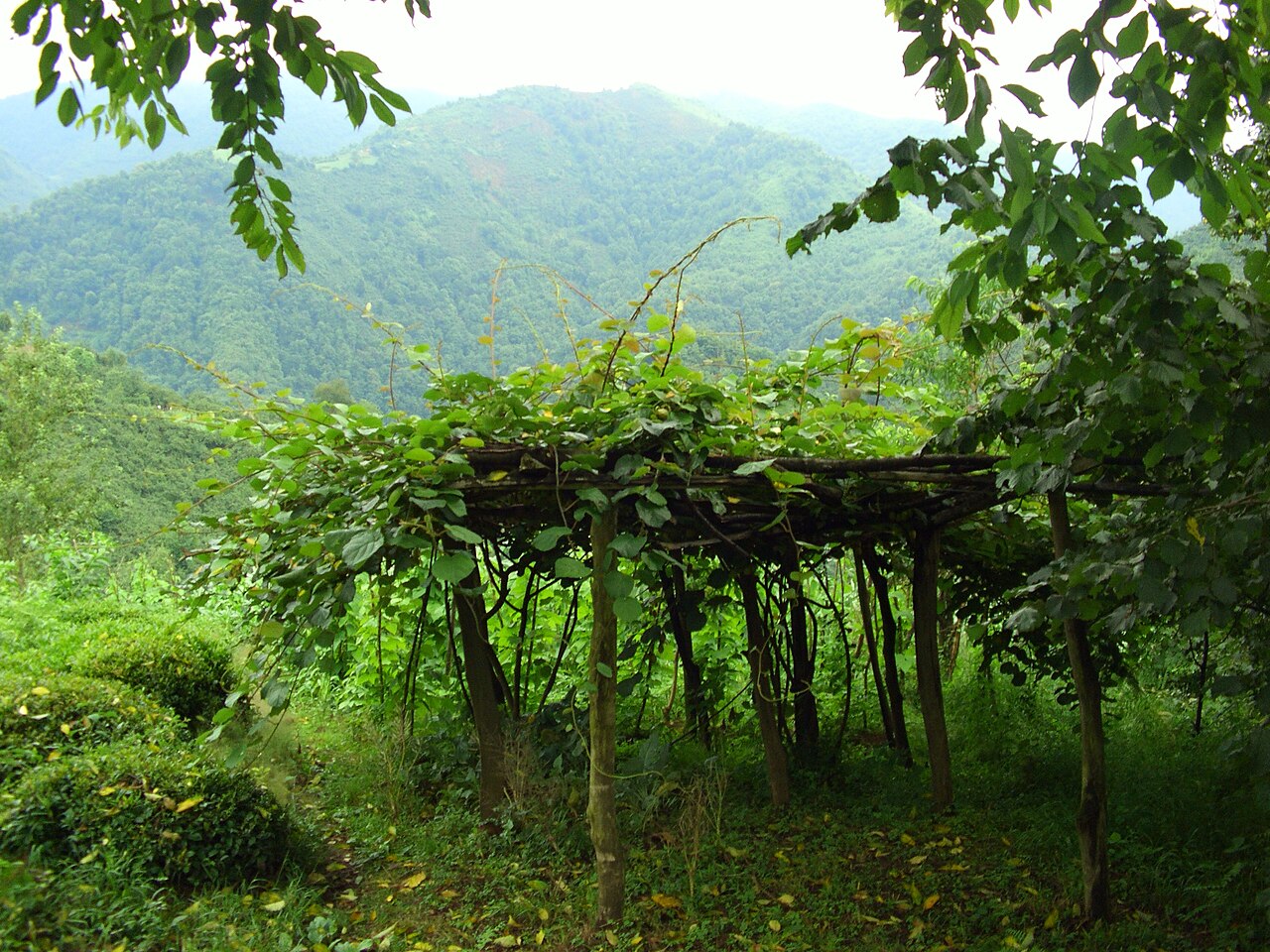
Grown as a fruiting vine on trellises, pergolas, and arbors in zones 7–9, with fruit eaten fresh or used in juices and desserts. Vines cover structures 10–20 feet (3–6 m) long, and the large leaves create dense summer shade.How to Identify
Appearance
Size & Dimensions
Height15' - 30'
Width/Spread10' - 20'
Bloom Information
Flowers open in May and June, with male and female plants blooming at the same time for 2–3 weeks. Bees carry pollen from male flowers to female flowers, and female flowers produce no nectar. Fruit ripens about 6 months after bloom, in October and November.
Detailed Descriptions
Flower Description
White aging to yellow-buffFoliage Description
Dark greenGrowing Conditions
Sun Requirements
Requires 6-10 hours of direct sunlight daily
• Full Sun: 6+ hours of direct sunlight
• Partial Shade: 3-6 hours of direct sunlight
• Full Shade: Less than 3 hours of direct sunlight
Care & Maintenance
Care Guide
Grows in full sun in deep, moist, well-drained loam with a pH of 5.0–6.5 and shelter from wind. Hardy in USDA zones 7–9, and shoots are damaged by spring frosts below 28°F (−2°C). Plants receive 1–2 inches (25–50 mm) of water per week in summer, and shallow roots dry out within days in sandy soil. Waterlogged soil causes root rot from Phytophthora. Plants are spaced 15–18 feet (4.5–5.5 m) apart on a trellis or pergola 6 feet (1.8 m) high, with fertilizer applied in spring and early summer.Pruning
Pruning is done in December and January while plants are dormant, removing dead and crowded canes and shortening fruiting laterals to 6–8 buds beyond the last fruit, because cuts made after buds swell bleed sap. Summer pruning in June and July shortens shoots to 5–7 leaves past the last fruit and removes vigorous water shoots.Pruning Schedule
Prune: December–January
winter