Image 1 of 7
1 / 7
Plant Reference
Actinidia, Genus, deliciosa, Species,
- Genus & species
kiwi
Southern China — Shaanxi, Sichuan, Yunnan, Guizhou, and adjacent provinces; montane forests at 2,000-6,500 feet (600-2,000 m) elevation
Overview
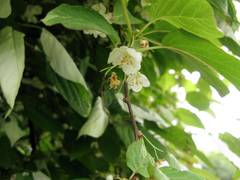
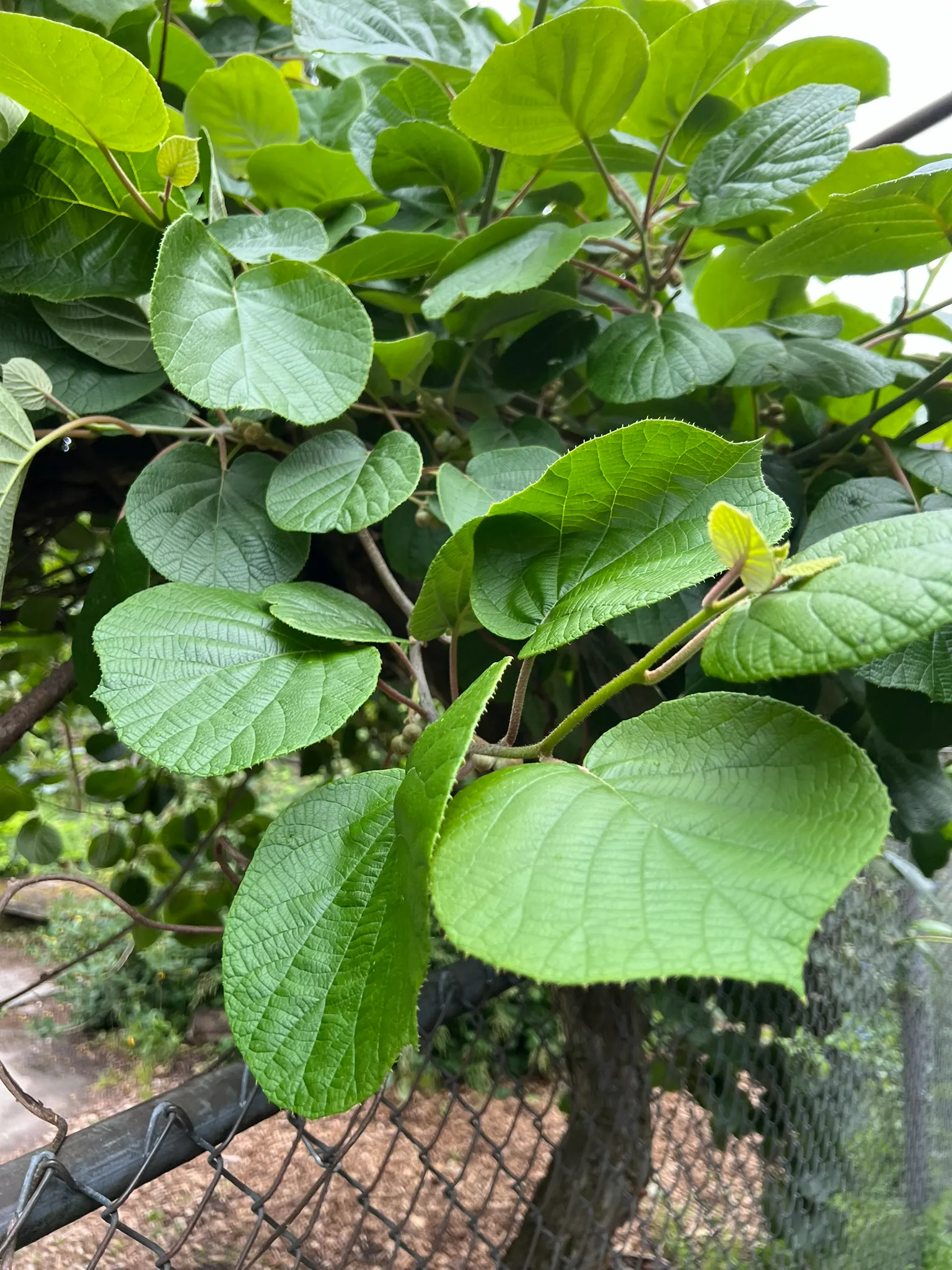
Actinidia deliciosa is kiwi (fuzzy kiwifruit), a vigorous deciduous twining vine climbing 20-30 feet (6-9 m) with a spread of 6-10 feet (1.8-3 m). Dark green rounded to heart-shaped leaves 5-8 inches (13-20 cm) long, pale beneath with reddish-brown woolly hairs. White bowl-shaped flowers with yellow stamens 1-1.5 inches (2.5-4 cm) in May-June. Fuzzy brown egg-shaped fruit 2-3 inches (5-7 cm) long with green flesh. In Actinidiaceae. Native to southern China — montane forests at 2,000-6,500 feet (600-2,000 m). Dioecious — separate male and female plants required for fruit production (1 male per 5-8 females). Requires a sturdy trellis or T-bar support system — the vine becomes very heavy when fruiting (up to 100 lbs / 45 kg per plant). Spring growth emerges late (May) and is frost-tender — late frosts in zones 7-8 can kill emerging buds and eliminate the year's crop. This late frost sensitivity is the primary limitation in marginal climates. Vigorous grower — 6-12 feet (1.8-3.6 m) of new growth per year requiring annual winter and summer pruning. Not drought-tolerant. Deer browse new growth. Non-toxic. Zones 7-9. Full sun. Growth rate is fast.
Native Range
Native to southern China — Shaanxi, Sichuan, Yunnan, Guizhou, and adjacent provinces. Found in montane forests at 2,000-6,500 feet (600-2,000 m) elevation.Suggested Uses
Grown on sturdy T-bar trellis systems, pergolas, or arbors spaced 15-20 feet (4.5-6 m) between plants. Fruit production. Requires both male and female plants. Not for small gardens (heavy vigorous vine). Non-toxic. Zones 7-9.How to Identify
Appearance
Size & Dimensions
Height20' - 30'
Width/Spread6' - 10'
Colors
Bloom Information
Late spring (May-June). White bowl-shaped flowers with yellow stamens 1-1.5 inches (2.5-4 cm) in clusters of 1-3. 3 weeks of bloom. Dioecious — male and female flowers on separate plants. Bee-pollinated. Fruit ripens October-November.
Detailed Descriptions
Flower Description
White with yellow stamens, 1-1.5 inches (2.5-4 cm) diameter, bowl-shaped, in clusters of 1-3Foliage Description
Dark green above, pale green with reddish-brown woolly hairs beneath, rounded to heart-shaped, 5-8 inches (13-20 cm) long; new growth emerges reddishGrowing Conditions
Sun Requirements
Requires 6-8 hours of direct sunlight daily
• Full Sun: 6+ hours of direct sunlight
• Partial Shade: 3-6 hours of direct sunlight
• Full Shade: Less than 3 hours of direct sunlight
Care & Maintenance
Care Guide
Full sun (6-8 hours). Well-drained soil pH 5.5-7.0. Requires sturdy trellis or T-bar support. Dioecious — plant 1 male per 5-8 females. Annual winter pruning (December-February) and summer pruning (July). Not drought-tolerant. Late frost kills emerging buds. Non-toxic. Zones 7-9.Pruning
Winter pruning (December-February): remove spent fruiting laterals, thin crowded canes, and shape the vine on the trellis. Summer pruning (July): shorten vegetative shoots to 5-6 leaves beyond the last fruit to control vigor and improve light penetration. The vine produces fruit on one-year-old lateral shoots — manage cane renewal accordingly.Pruning Schedule
Prune: July & December–February
wintersummer