Acanthus, Genus, spp., Multiple species,
- Genus
- Multiple species
acanthus
Mediterranean, Africa, and tropical Asia
Overview
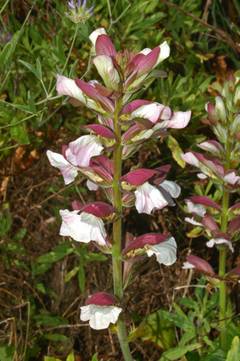
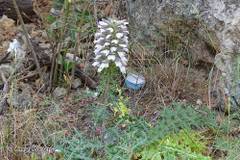
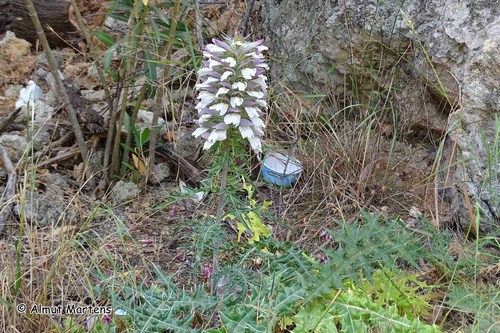
Acanthus is a genus of about 30 species of clump-forming perennials and a few shrubs in the family Acanthaceae, native to the Mediterranean, Africa, and tropical Asia. Plants form bold rosettes of large, deeply lobed leaves 1 to 3 ft (30 to 90 cm) long, glossy dark green and, in spiny species such as A. spinosus, edged with sharp teeth. From the rosette rise stiff flower spikes that lift the plant to 2 to 5 ft (60 to 150 cm) tall. Each spike carries tubular, hooded flowers, white to pink, set beneath arching purple-green bracts that are often spine-tipped. The leaf outline of A. mollis was the model for the carved foliage on Corinthian column capitals in classical architecture. Plants grow from thick, brittle rhizomes that resprout from fragments, so established clumps are slow to remove and spread where unconfined. Acanthus dies back in cold winters and stays semi-evergreen in mild climates. Limitations include the spread of the rhizomes, sharp spines on some species, and foliage that can scorch in hot afternoon sun.
Native Range
Acanthus is native to southern Europe and the Mediterranean basin, with further species across Africa and into tropical and subtropical Asia. Mediterranean species such as A. mollis and A. spinosus grow on rocky slopes, scrub, and disturbed ground, while tropical species occur in forest and coastal habitats. The genus is most common in warm, dry-summer climates.Suggested Uses
Acanthus is grown as a structural plant in borders, courtyard and gravel gardens, and Mediterranean-style plantings, where its large leaves and tall spikes anchor a scheme. It is planted in dry shade beneath trees and against walls. The cut spikes and leaves are used in fresh and dried arrangements.How to Identify
Appearance
Size & Dimensions
Height2' - 5'
Width/Spread2' - 4'
Bloom Information
Acanthus blooms in late spring and summer, with spikes opening from May through July in temperate gardens and lasting four to six weeks. Bumblebees push into the hooded flowers to reach nectar and pollinate them. Spent spikes hold their shape and can stand into autumn.
Detailed Descriptions
Flower Description
white to pink with purple-green bractsFoliage Description
glossy dark greenGrowing Conditions
Sun Requirements
Requires 4-8 hours of direct sunlight daily
• Full Sun: 6+ hours of direct sunlight
• Partial Shade: 3-6 hours of direct sunlight
• Full Shade: Less than 3 hours of direct sunlight
Care & Maintenance
Care Guide
Acanthus grows in full sun to partial shade in deep, free-draining soil with a pH from about 6.0 to 7.5. Plants are drought tolerant once established but grow lusher with summer moisture; in hot climates light afternoon shade keeps the leaves from scorching. The hardy Mediterranean species tolerate winters in zones 7 and warmer, dying back to the crown in cold and resprouting in spring. The rhizomes are brittle, and any fragment left in the soil regrows, so plants are sited where their spread is acceptable. Slugs and powdery mildew can mark the foliage in damp conditions. A spring mulch sustains strong leaf growth.Pruning
Spent flower spikes on Acanthus are cut to the base after blooming unless seed or winter structure is wanted. Tattered or scorched leaves are removed through the season, and the whole clump can be cut back hard in late winter to make way for fresh foliage. Cutting before seed sets reduces self-sown seedlings.Container Growing
Suitable for container growing