Image 1 of 3
1 / 3
© Carina from Windsor, CA, USA, some rights reserved (CC-BY-SA) · Wikimedia Commons
Abronia, Genus, spp., Multiple species,
- Genus
- Multiple species
sand verbena
Overview
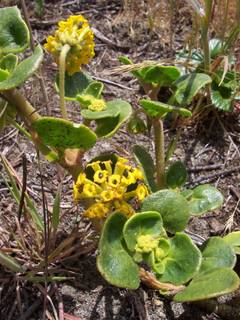
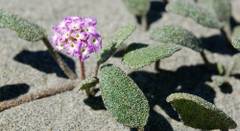
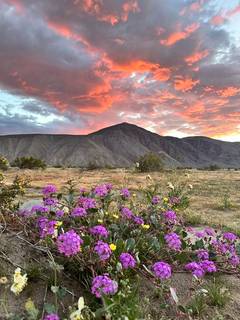
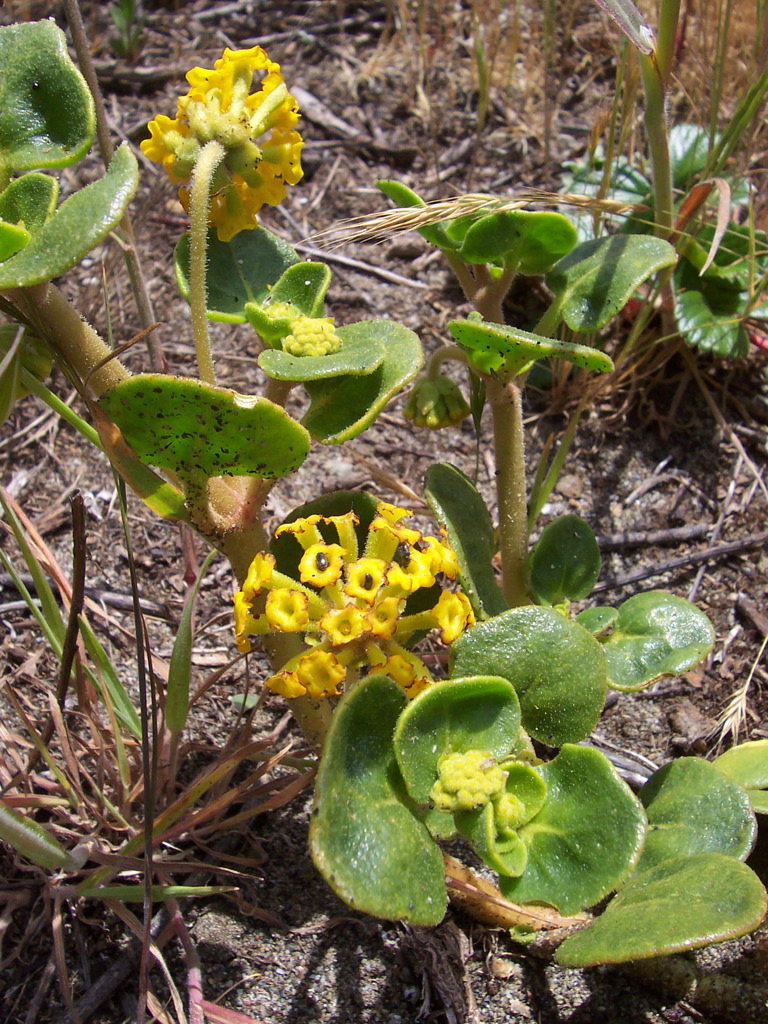
Abronia is a genus of low, trailing annual and perennial herbs in the four-o'clock family (Nyctaginaceae), with about twenty species native to western North America. Stems sprawl across the ground 20–100 cm (8–39 in) long, often sticky-glandular and clothed in opposite, fleshy, oval to lance-shaped leaves 2–8 cm (0.8–3 in) long. The small tubular flowers lack true petals; their colour comes from the petal-like calyx, and they are packed into rounded, verbena-like heads of 10–35 blooms in pink, magenta, white, or yellow. Many species are fragrant, especially in the evening, and are pollinated by moths and bees. The fruit is a winged, corky structure that aids dispersal by wind and water across open sand. Abronia grows on coastal dunes, sandy flats, and desert washes in full sun, tolerating salt spray, drought, and shifting sand, but it is short-lived and rots in heavy, wet, or shaded ground. The sticky foliage traps blowing sand. Habit ranges from quick-cycling annuals to mat-forming perennials, so longevity and hardiness vary across the genus.
Native Range
Abronia species are native to western North America, from British Columbia south through the Pacific coast, Great Basin, and southwestern deserts into Mexico. They grow on coastal dunes, sandy beaches, inland sand flats, and desert washes, mostly below 2,000 m (6,600 ft).Suggested Uses
Planted in coastal, dune, and dry-garden settings, in gravel and rock gardens, and as trailing colour in containers and raised beds. Used for sand stabilisation and restoration on dunes within its native range. Suited to hot, sandy, low-water sites rather than rich borders.How to Identify
Appearance
Size & Dimensions
Height4" - 8"
Width/Spread1' - 3'3"
Bloom Information
Abronia flowers mainly from late winter through spring in the deserts and from spring into autumn on the coast, with desert annuals timing their bloom to winter rains. The heads open over several weeks, and many species release fragrance in the evening. Coastal perennials can flower nearly year-round in mild conditions.
Detailed Descriptions
Flower Description
pink, white, magenta, or yellowFoliage Description
grey-greenGrowing Conditions
Sun Requirements
Requires 6-12 hours of direct sunlight daily
• Full Sun: 6+ hours of direct sunlight
• Partial Shade: 3-6 hours of direct sunlight
• Full Shade: Less than 3 hours of direct sunlight
Care & Maintenance
Care Guide
Grow Abronia in full sun in sharp, free-draining sandy or gravelly soil. It tolerates drought, heat, salt, and infertile ground but rots quickly in rich, heavy, or wet soils and declines in shade. A soil pH from about 6.5 to 8.0 suits it. Sow seed directly in place, as the brittle roots resist transplanting, and cleaning the papery husk from the seed improves germination. Water sparingly once seedlings are up, and withhold water in winter for desert species. Most species need frost-free or nearly frost-free conditions.Pruning
As low, short-lived herbs, Abronia species need no pruning. Trimming back leggy or frost-damaged stems on perennial species tidies the mat and can prompt fresh growth. Removing spent heads before seed sets limits self-sowing where it is not wanted.Container Growing
Suitable for container growing
Minimum container size: 2 gallons
Toxicity
Non-toxicPlanting Guide
Planting Methods & Timing
Planting Method
direct sow
Direct Sow Timing
Sow in autumn or early spring in mild, frost-free areas; desert annuals germinate with winter rains
Plant Spacing
12 inches