Zizia, Genus, spp., Multiple species,
- Genus
- Multiple species
alexanders
Overview
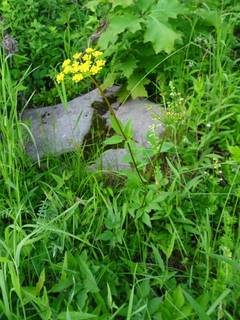
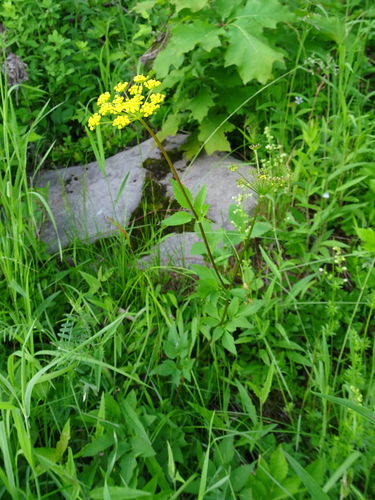
Zizia is a small genus of three to four perennial species in the carrot family Apiaceae, native to North America. Plants grow 1-3 ft (30-90 cm) tall from a clumping crown, with erect branching stems carrying compound leaves divided into toothed, lance-shaped to oval leaflets. In late spring, flat-topped compound umbels 1.5-3 in (4-8 cm) across open in bright yellow, made up of many tiny five-petaled flowers. Z. aurea, golden alexanders, has twice- or thrice-divided leaves, while Z. aptera, heartleaf alexanders, bears simple heart-shaped basal leaves. The genus grows in moist meadows, prairies, open woods, and stream banks across eastern and central North America. The flowers are a nectar and pollen source for small bees and other early-season insects, and the foliage is a larval host for the black swallowtail butterfly. After flowering, flattened ribbed seeds form and the plant often self-sows. Foliage dies back to the ground in winter and regrows from the crown in spring. The genus tolerates a range of soils and brief flooding but declines in deep shade and prolonged drought.
Native Range
Zizia is native to eastern and central North America, from Canada south to the Gulf states and west to the Great Plains. Plants occur in moist prairies, meadows, savannas, and open woodlands.Suggested Uses
Zizia species are planted in native, pollinator, and rain gardens, in prairie restorations, and along moist border edges. The yellow spring umbels combine with grasses and other prairie perennials. As a swallowtail host plant, the genus features in butterfly gardens.How to Identify
Appearance
Size & Dimensions
Height1' - 3'
Width/Spread1' - 2'
Bloom Information
Flowering occurs in mid- to late spring, roughly April to June depending on latitude. Each plant blooms for three to five weeks. Flat yellow umbels open as many woodland and prairie species begin growth.
Detailed Descriptions
Foliage Description
greenGrowing Conditions
Sun Requirements
Requires 4-8 hours of direct sunlight daily
• Full Sun: 6+ hours of direct sunlight
• Partial Shade: 3-6 hours of direct sunlight
• Full Shade: Less than 3 hours of direct sunlight