Zelkova, Genus, spp., Multiple species,
- Genus
- Multiple species
East Asia, with outlying species in the Caucasus and Mediterranean
Overview
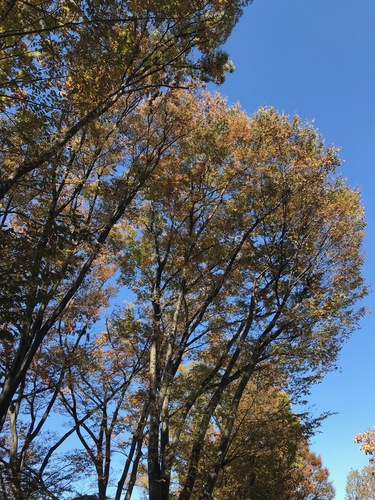
Zelkova is a small genus of about six deciduous trees in the elm family, native to East Asia with relict species in the Caucasus and Mediterranean. The species most often grown, Z. serrata, is used as a street and shade tree in regions where Dutch elm disease has thinned American elms. Trees develop a short trunk and a spreading, vase-shaped crown, typically reaching 50 to 80 ft (15 to 24 m) tall with a comparable spread. The smooth gray bark flakes with age to expose orange-brown patches. Leaves are alternate, ovate, and sharply serrate, 2 to 5 inches (5 to 13 cm) long, dark green in summer and turning yellow, orange, to red-brown in autumn. Small green flowers open with the leaves in spring and are wind-pollinated, followed by tiny, dry, single-seeded drupes. Zelkova resists Dutch elm disease far better than true elms but is not immune to elm leaf beetle, Japanese beetle, or canker, and large specimens develop surface roots that can lift pavement. Its eventual size makes it suited to parks, wide verges, and large gardens rather than confined spaces.
Native Range
Zelkova is native mainly to East Asia, including Japan, Korea, China, and Taiwan, where the trees grow in mixed forests and along valleys. Three relict species survive in small areas farther west: Z. carpinifolia in the Caucasus, Z. sicula in Sicily, and Z. abelicea in the mountains of Crete.Suggested Uses
Zelkova is planted as a street, lawn, and shade tree, and as a windbreak in parks and large gardens. Z. serrata and its cultivars are also trained as bonsai for their dense, twiggy branch structure. The mature size and surface roots make it less suited to small yards and narrow planting strips.How to Identify
Appearance
Size & Dimensions
Height50' - 80'
Width/Spread50' - 75'
Bloom Information
Flowers open in spring as the leaves expand, usually April to May. They are small, green, and without petals, pollinated by wind rather than insects, so they go largely unnoticed. Tiny one-seeded fruits ripen by late summer and drop with the leaves.
Detailed Descriptions
Flower Description
Greenish, inconspicuousFoliage Description
Dark green, turning yellow to orange-red in fallGrowing Conditions
Sun Requirements
Requires 6-10 hours of direct sunlight daily
• Full Sun: 6+ hours of direct sunlight
• Partial Shade: 3-6 hours of direct sunlight
• Full Shade: Less than 3 hours of direct sunlight
