Xylococcus, Genus, spp., Multiple species,
- Genus
- Multiple species
Southern California and Baja California
Overview
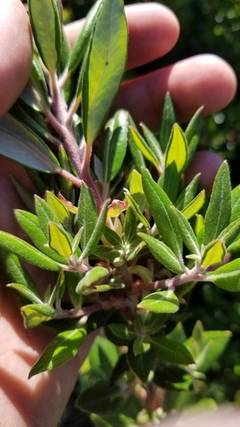
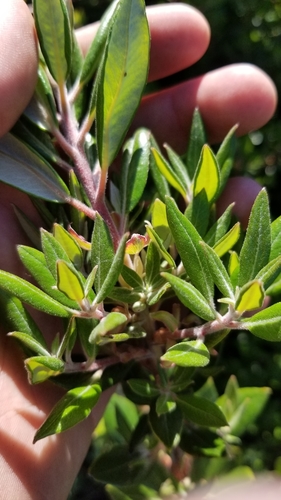
Xylococcus is a monotypic genus in the heath family, represented by X. bicolor, the mission manzanita of southern California and Baja California. It is an evergreen shrub, usually 3 to 10 ft (0.9 to 3 m) tall and occasionally taller, with crooked branches clad in smooth reddish-brown bark that shreds in thin strips. The leathery leaves are dark green and glossy above and densely white-woolly beneath, 1 to 2 inches (2.5 to 5 cm) long, with margins rolled under. Small urn-shaped flowers, white to pale pink, hang in short clusters from late winter into early spring and are followed by reddish, mealy drupes about 0.3 inch (8 mm) across. Although it closely resembles a true manzanita, Xylococcus differs in its woolly leaf undersides and in the hard, bony stone of its fruit. Plants develop a woody basal burl and resprout after wildfire. The genus is restricted to coastal sage scrub and chaparral on dry slopes, and it is slow-growing and difficult to establish in gardens, demanding fast drainage and dry summer conditions, which keeps it uncommon in cultivation.
Native Range
Xylococcus bicolor is native to the coastal hills and chaparral of southern California, from roughly Orange and Riverside counties south, and into northwestern Baja California, Mexico. It grows on dry, sunny slopes within sage scrub and chaparral, often near the coast.Suggested Uses
Xylococcus is grown in native and drought-tolerant gardens, chaparral restorations, and informal screens within its mild coastal range. Its evergreen, two-toned foliage and reddish bark add structure to dry slopes. Outside frost-free Mediterranean climates and without sharp drainage, it is difficult to maintain.How to Identify
Appearance
Size & Dimensions
Height3' - 10'
Width/Spread4' - 8'
Bloom Information
Flowering runs from midwinter into early spring, roughly December to March in its mild native climate. The nodding urn-shaped flowers open in small drooping clusters and supply nectar to bees and overwintering hummingbirds. Reddish fruits mature through late spring and summer.
Detailed Descriptions
Flower Description
White to pale pinkFoliage Description
Dark green above, white-woolly beneathGrowing Conditions
Sun Requirements
Requires 6-10 hours of direct sunlight daily
• Full Sun: 6+ hours of direct sunlight
• Partial Shade: 3-6 hours of direct sunlight
• Full Shade: Less than 3 hours of direct sunlight