Xerochrysum, Genus, spp., Multiple species,
- Genus
- Multiple species
strawflowers
Overview
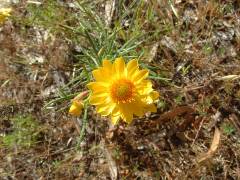
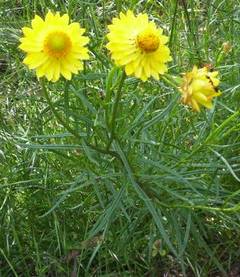
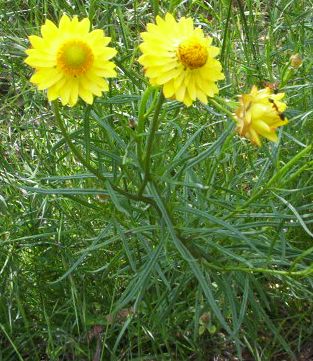
Xerochrysum is a genus of about 8 species of annual and perennial herbs in the daisy family, endemic to Australia. X. bracteatum, the strawflower or golden everlasting, is grown worldwide as a garden and cut flower. Plants form upright, branching stems 30-120 cm (12-47 in) tall, with lance-shaped, often greyish or slightly sticky leaves. The flower heads are surrounded by many stiff, papery bracts that radiate like petals, in yellow, gold, orange, pink, red, or white, around a central cluster of tiny disc florets. The papery bracts hold their colour and shape long after cutting, which gives the common names everlasting and strawflower. Species grow in open woodland, grassland, and rocky or sandy ground across much of Australia. Plants need full sun and free-draining soil and are short-lived, with many garden forms grown as annuals. Wet, humid conditions cause stem rot and shorten their life.
Native Range
Xerochrysum is endemic to Australia, occurring across all mainland states and Tasmania. Species grow in open eucalypt woodland, grassland, heath, and on rocky or sandy soils, from the coast to subalpine areas.Suggested Uses
Xerochrysum is planted in sunny borders, cottage gardens, containers, and wildflower plantings, and is grown commercially for fresh and dried cut flowers. The papery heads are cut for everlasting arrangements. The flowers draw bees, butterflies, and hoverflies through summer.How to Identify
Appearance
Size & Dimensions
Height1' - 3'11"
Width/Spread1' - 2'
Bloom Information
Flowering runs from late spring through summer and into autumn, roughly November-April in Australia and summer in the Northern Hemisphere. Individual heads last for weeks, and plants bloom over a long season if spent heads are removed. Cut stems dry while keeping their colour.
Detailed Descriptions
Flower Description
yellow to redFoliage Description
grey-greenGrowing Conditions
Sun Requirements
Requires 6-12 hours of direct sunlight daily
• Full Sun: 6+ hours of direct sunlight
• Partial Shade: 3-6 hours of direct sunlight
• Full Shade: Less than 3 hours of direct sunlight
Water & Climate
Water Needs
Drought Tolerance
Drought tolerant when established
Care & Maintenance
Care Guide
Xerochrysum grows in full sun in light, free-draining sandy or loamy soil of low to moderate fertility, tolerating a pH of about 5.5-7.5. Plants need moderate water while growing but resent wet, humid conditions, which cause rot and mildew. Annual forms are raised from seed sown in spring, while perennial species are short-lived and renewed from cuttings or division. Deadheading extends bloom and tidies the plant. Steady air movement reduces disease in humid climates.Pruning
Removing spent flower heads through the season prolongs blooming and keeps plants neat. Perennial species are cut back lightly after the main flush to encourage fresh growth. Old stems are trimmed in late winter.Container Growing
Suitable for container growing
Minimum container size: 2 gallons
Toxicity
Non-toxicPlanting Guide
Planting Methods & Timing
Planting Method
both
Indoor Start
6 weeks before last frost
Direct Sow Timing
spring after last frost
Days to Maturity
70–90 days
Plant Spacing
12 inches