Westringia, Genus, fruticosa, Species,
- Genus & species
coastal rosemary
Overview
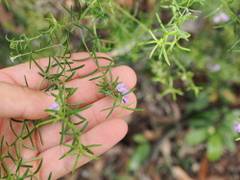
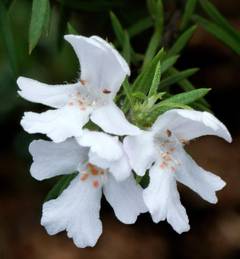
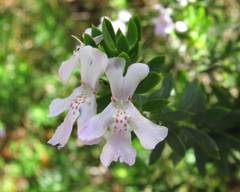
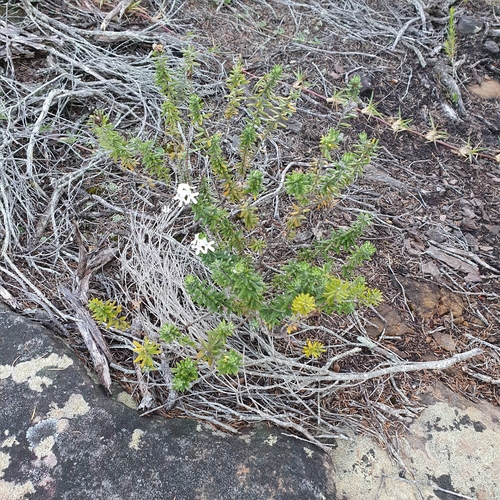
Westringia fruticosa is a rounded, evergreen shrub typically 1-1.5 m (3-5 ft) tall and about as wide, occasionally reaching 2 m (6.5 ft). The narrow, grey-green leaves are 1-2 cm (0.4-0.8 in) long and arranged in whorls of four around the stems, with a pale, felted underside that reflects light and reduces water loss. Small white to pale mauve, two-lipped flowers with orange-brown spotting in the throat appear through much of the year, peaking in spring. It grows naturally on coastal cliffs, headlands, and dunes in south-eastern Australia, where it withstands salt spray, sandy soils, and constant wind. The dense, small-leaved habit makes it a common low hedge and groundcover in coastal gardens. It is short-lived compared with many shrubs, often declining after eight to ten years, and becomes open and woody at the base in shade or in overly rich, moist soil.
Native Range
Native to coastal south-eastern Australia, chiefly the cliffs, headlands, and dunes of New South Wales and far eastern Victoria.Suggested Uses
Used as a low hedge, informal screen, groundcover, and erosion-binding plant in coastal and low-water gardens. Suited to seaside, rockery, and container plantings exposed to salt and wind. Also grown as a clipped formal hedge in mild climates.How to Identify
Appearance
Size & Dimensions
Height3' - 5'
Width/Spread3' - 5'
Bloom Information
Detailed Descriptions
Flower Description
white to pale mauveFoliage Description
grey-greenGrowing Conditions
Sun Requirements
Requires 6-10 hours of direct sunlight daily
• Full Sun: 6+ hours of direct sunlight
• Partial Shade: 3-6 hours of direct sunlight
• Full Shade: Less than 3 hours of direct sunlight
Care & Maintenance
Care Guide
Grows in full sun on free-draining sandy or loamy soils with a pH of about 6.0-8.0, including alkaline coastal sands. It is highly tolerant of salt spray, wind, and drought once established, and needs little supplemental water. Waterlogged or heavy, rich soils shorten its life and cause open, leggy growth. It tolerates light frost but is damaged by hard freezes. Light tip pruning after the main spring flush keeps the habit dense. Replacement every eight to ten years maintains a tidy planting as older plants decline.Pruning
Light, regular tip pruning maintains a compact shape and can follow the main flowering flush. The plant tolerates clipping into formal hedges but does not reliably reshoot from bare old wood, so cutting back into leafless stems is avoided. Removing spent growth keeps the centre from opening.Pruning Schedule
Prune: November–December
late springsummer
Container Growing
Suitable for container growing
Minimum container size: 5 gallons