Vitex, Genus, spp., Multiple species,
- Genus
- Multiple species
Chastetrees
Mediterranean, Africa, Asia, Australia, and the Americas
Overview
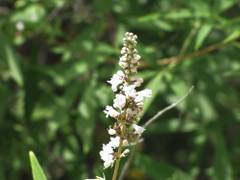
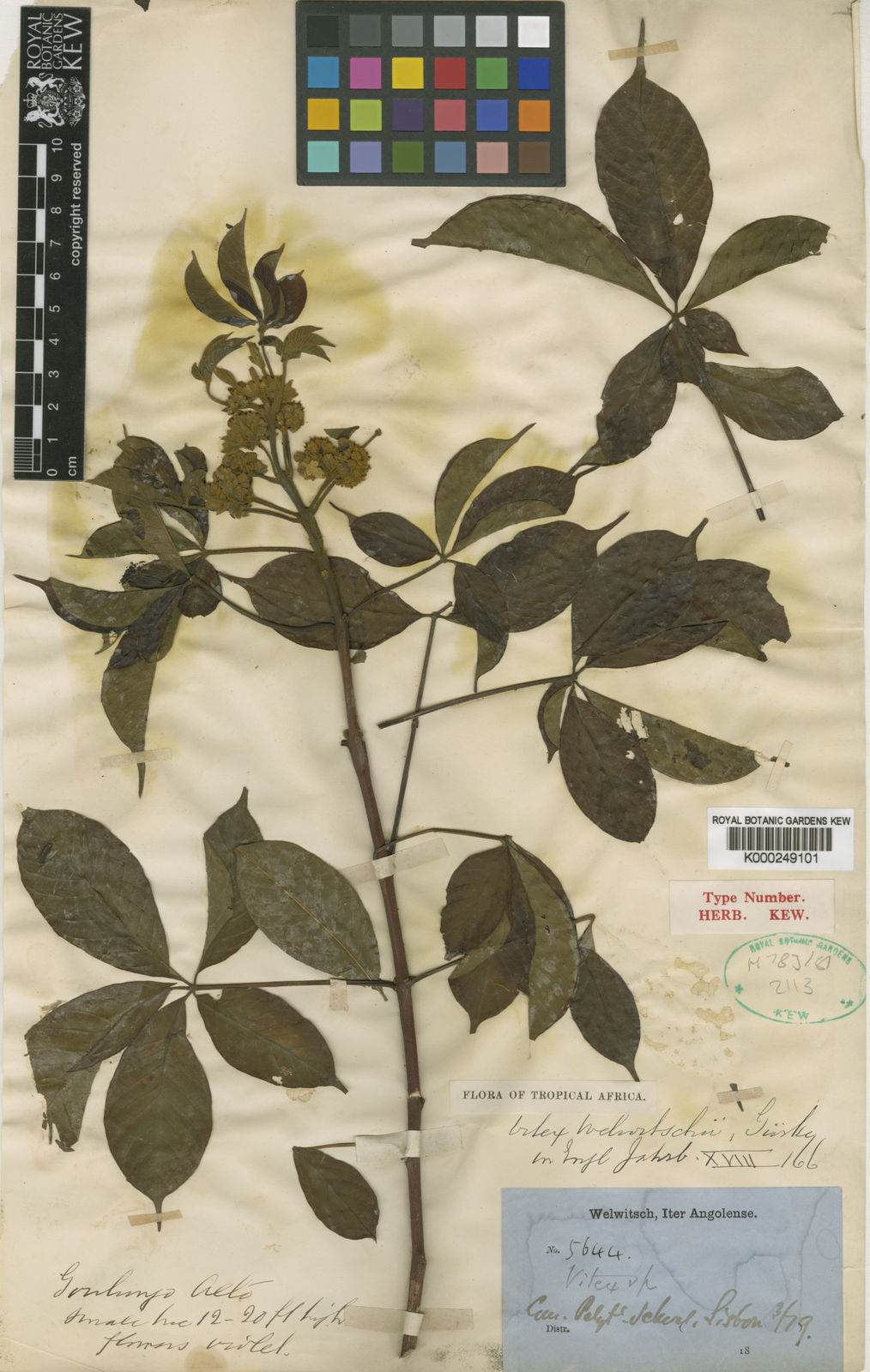
Vitex is a genus of about 250 species of aromatic shrubs and small trees in the mint family (Lamiaceae), spread through tropical, subtropical, and warm-temperate regions worldwide. Plants range from multi-stemmed shrubs to trees, mostly 2-8 m (6.5-26 ft) tall, with leaves that are usually palmately compound, divided into five to seven leaflets like spread fingers, and aromatic when crushed. Small, two-lipped flowers are carried in branched, upright spikes at the stem tips, most often in shades of lavender, blue, or violet, sometimes white or pink. V. agnus-castus, the chaste tree, is a Mediterranean species widely grown for its lilac summer spikes and grey-green foliage, while V. negundo and V. trifolia are Asian species used in traditional medicine. Rounded, peppercorn-like drupes follow the flowers. Vitex grows in full sun and tolerates heat, drought, and poor soil once established. The genus needs warmth and good drainage; the more tender species are damaged by hard frost, and in cool-summer climates plants may flower sparsely or fail to ripen wood.
Native Range
Native across warm regions of the world, with species in the Mediterranean, Africa, southern and eastern Asia, Australia, and the Americas. V. agnus-castus is native to the Mediterranean and western Asia, and has naturalised in warm parts of North America.Suggested Uses
Grown as a summer-flowering specimen or large shrub, an informal hedge, and a drought-tolerant choice for hot borders, gravel gardens, and coastal sites. The long summer bloom suits pollinator and Mediterranean-style plantings.How to Identify
Appearance
Size & Dimensions
Height6'6" - 26'
Width/Spread6'6" - 20'
Bloom Information
Most species flower in summer, roughly June to September, on the current season's growth, often reblooming if spent spikes are removed. In warm climates flowering can extend over many months. The flowers are visited heavily by bees and butterflies, and dark drupes ripen in autumn.
Detailed Descriptions
Flower Description
lavender, blue, violet, white, or pinkFoliage Description
grey-green to greenGrowing Conditions
Sun Requirements
Requires 6-12 hours of direct sunlight daily
• Full Sun: 6+ hours of direct sunlight
• Partial Shade: 3-6 hours of direct sunlight
• Full Shade: Less than 3 hours of direct sunlight
Water & Climate
Water Needs
Drought Tolerance
Drought tolerant when established
Care & Maintenance
Care Guide
Vitex grows in full sun in light, free-draining soil and tolerates heat, drought, and poor, sandy, or alkaline ground once established. Because flowers form on new growth, the plants bloom even after winter dieback and can be cut back hard each year. Cold limits the genus: tender species need frost-free conditions, while V. agnus-castus is hardy to about USDA zone 6 and may die to the ground in hard winters, regrowing in spring. Wet, heavy soils and shade reduce flowering and invite root problems. Propagation is from seed or from softwood and semi-ripe cuttings. Feeding is rarely needed in reasonable soil.Pruning
Because bloom comes on new wood, hard pruning is done in late winter or early spring, cutting stems back to a low framework to promote strong flowering shoots. Removing faded spikes in summer often brings a second flush. Shrubby species can be grown as multi-stemmed shrubs or trained to a single trunk.Container Growing
Suitable for container growing
Minimum container size: 5 gallons