Image 1 of 14
1 / 14
Plant Reference
Vitex, Genus, agnus-castus, Species,
- Genus & species
chaste tree
Southern Europe (Mediterranean basin) and western Asia
Overview
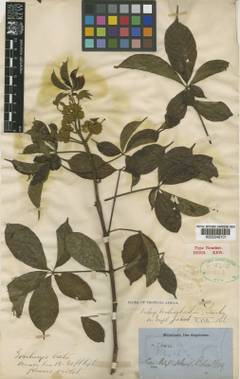
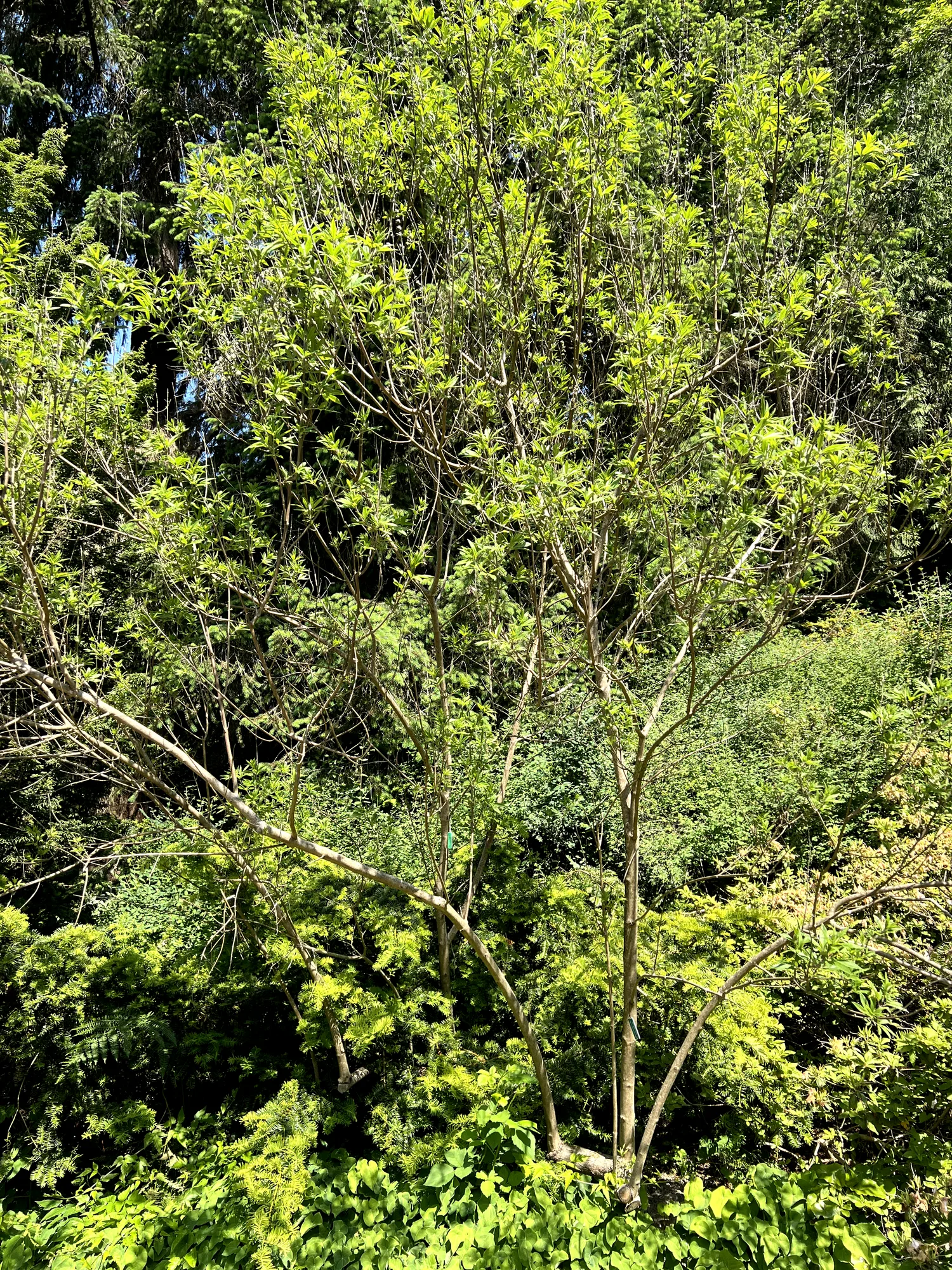
Vitex agnus-castus is chaste tree (vitex), an upright deciduous large shrub or small tree growing 10-20 feet (3-6 m) tall and 10-15 feet (3-4.5 m) wide. Lavender-blue tiny tubular flowers in terminal panicle-like spikes 5-12 inches (13-30 cm) in July-September (8 weeks). Moderately fragrant. Gray-green palmately compound leaves with 5-7 narrow lance-shaped leaflets each 2-6 inches (5-15 cm), aromatic when crushed (peppery mint-like). Turns yellow in fall. In Lamiaceae (mint family — formerly Verbenaceae). Native to the Mediterranean and western Asia. Blooms on new (current season's) wood — even if winter-killed to the ground in zone 6, it regrows and blooms the same summer. In zone 6, the top growth is killed to the ground most winters — the plant functions as a die-back shrub (3-5 feet / 0.9-1.5 m) rather than a tree. This winter dieback in zones 5-6 is the primary climate limitation. In zones 7-9, it develops a tree form with a woody trunk. Deadheading spent spikes extends bloom. Tolerates drought, heat, poor soil, and alkaline conditions (pH to 8.0). Deer-resistant. Non-toxic. Zones 6-9. Full sun. Growth rate is fast.
Native Range
Native to southern Europe (Mediterranean basin) and western Asia.Suggested Uses
Grown as a specimen shrub or small multi-stemmed tree, in borders, and in containers of at least 15 gallons (57 L), spaced 10-15 feet (3-4.5 m). Late summer bloom (butterfly and hummingbird plant). Die-back shrub in zone 6. Drought-tolerant. Non-toxic. Zones 6-9.How to Identify
Appearance
Size & Dimensions
Height10' - 20'
Width/Spread10' - 15'
Bloom Information
Mid to late summer (July-September). Lavender-blue tiny tubular flowers in terminal panicle-like spikes 5-12 inches (13-30 cm). 8 weeks on new wood. Deadheading extends bloom. Bee-, butterfly-, and hummingbird-visited.
Detailed Descriptions
Flower Description
Lavender-blue (also white and pink cultivars), tiny, tubular, in terminal panicle-like spikes 5-12 inches (13-30 cm)Foliage Description
Gray-green above, gray-tomentose (felted) beneath, palmately compound with 5-7 narrow lance-shaped leaflets each 2-6 inches (5-15 cm); aromatic when crushed (peppery mint-like scent)Growing Conditions
Sun Requirements
Requires 6-12 hours of direct sunlight daily
• Full Sun: 6+ hours of direct sunlight
• Partial Shade: 3-6 hours of direct sunlight
• Full Shade: Less than 3 hours of direct sunlight
Care & Maintenance
Care Guide
Full sun (6+ hours). Well-drained soil pH 5.5-8.0 — tolerates drought, heat, poor soil, and alkaline conditions. Blooms on new wood — prune in late winter (February-March). In zone 6, top growth dies back to the ground most winters (regrows and blooms same season). Deadhead spent spikes. Deer-resistant. Non-toxic. Zones 6-9.Pruning
Prune in late winter (February-March) — blooms on new wood. In zones 6-7, cut dead stems to ground level after winter dieback. In zones 8-9 (tree form), remove dead, crossing, or weak branches to develop structure. Deadhead spent flower spikes for extended bloom.Pruning Schedule
Prune: February–March
early spring
Container Growing
Suitable for container growing
Minimum container size: 15 gallons