Valerianella, Genus, radiata, Species,
- Genus & species
beaked cornsalad
SunFull Sun – Part Shade
WaterMedium
Overview
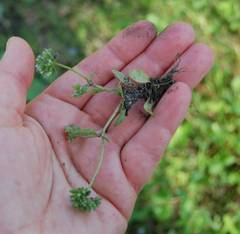
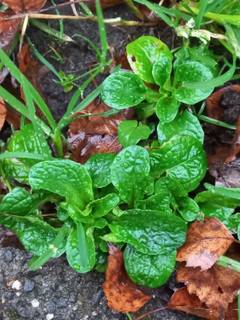
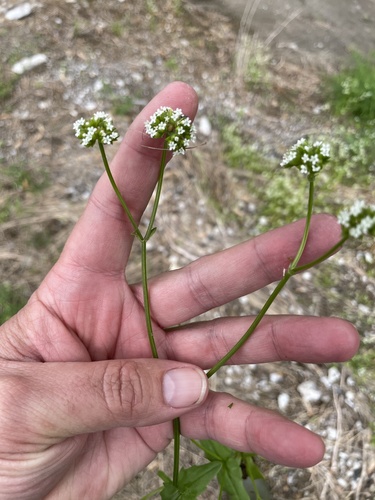
Valerianella radiata is a small annual native to the eastern and central United States, growing 6-16 in (15-40 cm) tall on slender, repeatedly forking stems. The opposite leaves are oblong, 0.5-2 in (1.5-5 cm) long, with the lower ones narrowing to a stalk and the upper ones clasping the stem. In spring it bears tight, flat-topped clusters of tiny white flowers, each only about 0.1 in (2-3 mm) across, at the branch tips. The small dry fruits that follow are grooved and beaked, giving the plant its common name. It grows in moist open ground, prairies, fields, roadsides, glades, and stream edges in full sun to part shade. As a winter annual it germinates in fall or early spring, flowers, sets seed, and dies within one season. The young leaves are edible as a mild salad green. The flowers are visited by small bees and flies.
Native Range
Native to the eastern and central United States, from the mid-Atlantic and Midwest south to Texas and Florida. It grows in moist prairies, fields, glades, floodplains, roadsides, and open disturbed ground.Suggested Uses
Grown in native plant gardens, meadow seed mixes, and as an edible cool-season green for its young leaves. It is sown in drifts on moist open ground where it can naturalize and self-sow. The early flowers feed small bees and flies.How to Identify
Appearance
Size & Dimensions
Height6" - 1'4"
Width/Spread4" - 8"
Bloom Information
Tight clusters of tiny white flowers open in spring, roughly April to June. Bloom lasts a few weeks, after which the plant sets seed and dies. The beaked fruits ripen as flowering ends.
Detailed Descriptions
Foliage Description
greenGrowing Conditions
Sun Requirements
Requires 4-8 hours of direct sunlight daily
• Full Sun: 6+ hours of direct sunlight
• Partial Shade: 3-6 hours of direct sunlight
• Full Shade: Less than 3 hours of direct sunlight
Water & Climate
Water Needs
Care & Maintenance
Care Guide
Valerianella radiata grows in full sun to part shade on moist, fertile soils at a pH of 6.0-7.5 and favors open ground that stays damp in spring. As a winter annual it is grown from seed sown in fall or very early spring, germinating in cool weather. It needs no fertilizer on average soil and completes its cycle before summer heat. It self-sows where the ground stays open and moist. It does not persist in dense shade or dry, compacted soil. Few pests or diseases affect it.Pruning
No pruning is needed for this small annual. Leaving the plants in place lets seed ripen and drop for the next year. Spent plants can be cleared once they yellow and die in early summer.Toxicity
Non-toxicPlanting Guide
Planting Methods & Timing
Planting Method
direct sow
Direct Sow Timing
Fall or very early spring, in cool weather
Days to Maturity
60–90 days
Plant Spacing
6 inches
Companion Planting
Good Companions