Valerianella, Genus, spp., Multiple species,
- Genus
- Multiple species
Cornsalads
Europe, North Africa, and southwestern Asia
SunFull Sun – Part Shade
WaterMedium
Overview
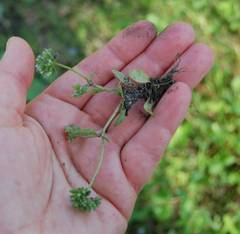
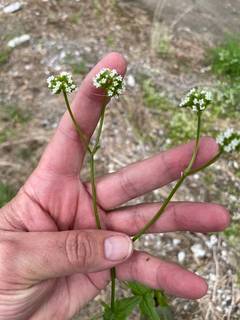
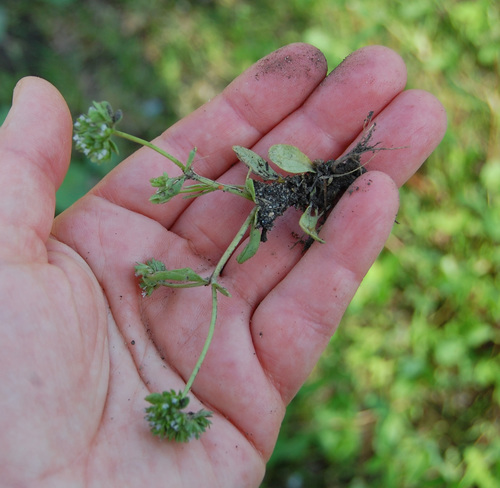
Valerianella is a genus of about 80 small annual and biennial herbs in the family Caprifoliaceae. Plants form low basal rosettes 2-6 inches (5-15 cm) across that send up forked, dichotomously branching stems 4-16 inches (10-40 cm) tall. Leaves are spoon-shaped to oblong, 0.4-3 inches (1-8 cm) long, smooth-margined or slightly toothed near the base, and soft in texture. Flowers are small, 0.04-0.1 inch (1-3 mm) wide, pale blue, lilac, or white, grouped in dense flat-topped terminal clusters. The fruit is a dry one-seeded nutlet whose shape and ribbing separate the species. Several species, notably V. locusta, are grown as cool-season salad greens known as corn salad or mache. Most species complete their cycle in spring, germinating in autumn or late winter and flowering before summer heat, after which they die back. The genus spans Europe, North Africa, and southwestern Asia, with several species naturalized in North America. Plants tolerate cold to about 5F (-15C) as young rosettes but bolt and turn bitter once temperatures rise above 75F (24C). Shallow root systems make Valerianella sensitive to dry soil, and plants set seed quickly once flowering begins, which can lead to self-sowing in cultivated beds.
Native Range
Valerianella occurs across Europe, North Africa, and southwestern Asia, with the center of diversity in the Mediterranean region. Several species, including V. locusta, have naturalized in North America and other temperate regions through agricultural introduction.Suggested Uses
Grown as a cool-season salad green and as a low filler in vegetable beds and borders. Naturalized species also appear in wildflower meadows and disturbed ground. Plants suit container culture given their small size.How to Identify
Appearance
Size & Dimensions
Height4" - 1'4"
Width/Spread2" - 8"
Bloom Information
Flowering occurs in spring, generally April to June depending on latitude and elevation. Each plant blooms for roughly 3-5 weeks before setting seed. In mild climates, autumn-germinated plants may flower as early as March, while late-sown plants flower into early summer.
Detailed Descriptions
Flower Description
pale blue to whiteFoliage Description
greenGrowing Conditions
Sun Requirements
Requires 4-8 hours of direct sunlight daily
• Full Sun: 6+ hours of direct sunlight
• Partial Shade: 3-6 hours of direct sunlight
• Full Shade: Less than 3 hours of direct sunlight
Water & Climate
Water Needs
Care & Maintenance
Care Guide
Most Valerianella species grow in full sun to partial shade in moist, well-drained soil with a pH near 6.0-7.0. Seed is sown directly in autumn or late winter for a cool-season crop or display. Plants need consistent moisture during the rosette stage because the shallow root system dries out quickly. Growth slows and leaves turn bitter when temperatures exceed 75F (24C), so the useful season is short. No fertilization is usually required in average garden soil. Self-sown seedlings appear readily where plants are allowed to mature.Pruning
Valerianella requires no pruning. Leaves of salad species are harvested by cutting the outer rosette or the whole plant at the base before flowering. Clearing spent plants after seed set limits unwanted self-sowing.Container Growing
Suitable for container growing