Ungnadia, Genus, speciosa, Species,
- Genus & species
Mexican buckeye
Central and western Texas, southern New Mexico, and northern Mexico
Overview
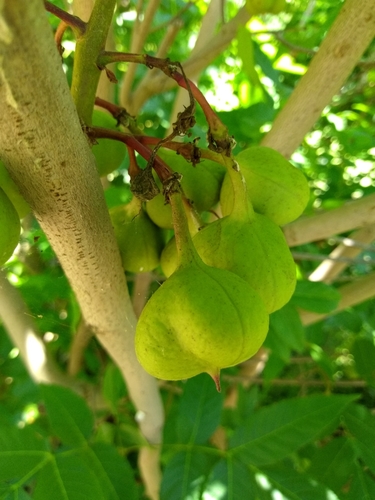
Ungnadia speciosa is a deciduous shrub or small tree in the soapberry family, growing 8-30 feet (2.4-9 m) tall, usually multi-trunked and often shrubby in dry sites. In early spring, before or as the leaves expand, it carries clusters of fragrant rose-pink flowers about 0.5-0.75 inch (12-19 mm) across along the bare twigs, resembling redbud bloom. The compound leaves are pinnately divided into 5-7 glossy, pointed leaflets 2-5 inches (5-13 cm) long, dark green turning yellow in fall. The fruit is a three-lobed leathery capsule 1-2 inches (2.5-5 cm) wide that ripens to brown and splits to release one to three round, shiny dark-brown seeds. The seeds contain saponins and are toxic if eaten, and the capsules persist on the plant into winter. It grows on limestone slopes, canyons, and streambeds across central and western Texas and into northern Mexico, tolerating thin, rocky, alkaline soils and drought. Its open, irregular form and slow growth make it a small-scale specimen rather than a shade tree, and the toxic seeds are a consideration where children or livestock are present.
Native Range
Native to central and western Texas, southern New Mexico, and northern Mexico. It grows on rocky limestone slopes, in canyons, and along dry streambeds in hot, dry climates.Suggested Uses
Used as a small specimen tree, large shrub, or screen in xeriscape and native plant gardens in hot, dry regions, and along dry slopes and naturalized borders. Its spring bloom and fall color suit small landscapes, courtyards, and rock gardens with limited water.How to Identify
Appearance
Size & Dimensions
Height8' - 30'
Width/Spread8' - 20'
Bloom Information
Flowers in early spring, generally March to April, with rose-pink blooms opening on bare or nearly bare twigs before the leaves fully expand. The fragrant flowers last one to two weeks and draw early bees. Bloom timing follows late-winter warmth and can be cut short by a hard frost.
Detailed Descriptions
Foliage Description
dark greenGrowing Conditions
Sun Requirements
Requires 6-10 hours of direct sunlight daily
• Full Sun: 6+ hours of direct sunlight
• Partial Shade: 3-6 hours of direct sunlight
• Full Shade: Less than 3 hours of direct sunlight
Care & Maintenance
Care Guide
Ungnadia speciosa grows in full sun to partial shade in well-drained rocky, sandy, or limestone soils and tolerates alkaline ground and drought. It is slow-growing and long-lived once established and needs little water after the first year. Overly wet or poorly drained soil leads to decline. It tolerates a soil pH from about 6.5 to 8.0 and resprouts from the base after cutting or frost damage. New plants are grown from the hard seeds, which sprout more readily after scarifying the coat. The seeds are toxic if eaten, which is a factor in placing the plant near play areas or pastures.Pruning
Pruning to a single trunk or a few main stems in the early years can train it into a small tree, while leaving it unpruned keeps a multi-stemmed shrub. Removing crossing or dead branches in late winter maintains the form. The plant resprouts from the base if cut back hard.Pruning Schedule
Prune: January–February
winter