Ungnadia, Genus, spp., Multiple species,
- Genus
- Multiple species
Mexican buckeye
South-central US and northern Mexico
Overview
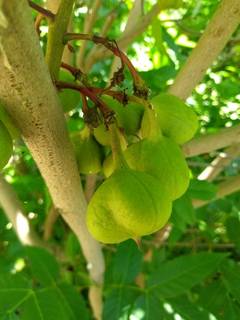
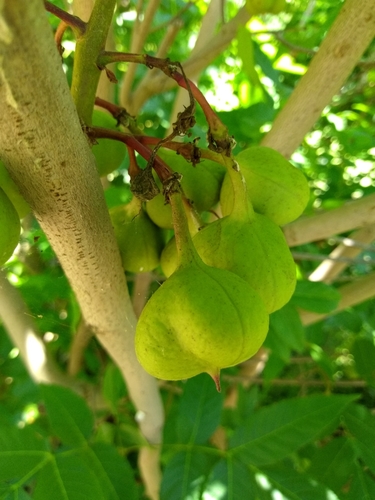
Ungnadia is a genus in the soapberry family (Sapindaceae) with a single species, the Mexican buckeye (Ungnadia speciosa), native to Texas, New Mexico, and northern Mexico. It grows as a deciduous shrub or small tree 8-30 feet (2.4-9 m) tall, often multi-stemmed, with smooth grey bark and pinnately compound leaves bearing 5-7 toothed, pointed leaflets. In early spring, before or as the leaves emerge, clusters of fragrant pink flowers open along the bare stems, each about 1 inch (2.5 cm) across. The flowers ripen into three-lobed, leathery capsules that turn brown and persist into winter, splitting to reveal three round, glossy dark seeds. Despite the common name it is not a true buckeye, though like them its seeds are poisonous if eaten. The genus grows on limestone slopes, canyons, and streambanks in full sun to part shade, tolerating drought, heat, and alkaline soils. Autumn foliage turns yellow before falling.
Native Range
Native to the south-central United States and northern Mexico, in Texas, southern New Mexico, and adjacent Mexican states, on limestone slopes, canyons, and streambanks.Suggested Uses
Grown as a flowering specimen, screen, or small patio tree in xeric and native plantings. Used on dry slopes and in pollinator gardens in warm, low-water regions.How to Identify
Appearance
Size & Dimensions
Height8' - 30'
Width/Spread8' - 20'
Bloom Information
Flowering occurs in early spring, roughly March to April, before or as the leaves unfold. The fragrant pink flowers cluster along the bare branches and draw bees. Capsules ripen over summer and split open in autumn, with seeds persisting into winter.
Detailed Descriptions
Foliage Description
greenGrowing Conditions
Sun Requirements
Requires 4-12 hours of direct sunlight daily
• Full Sun: 6+ hours of direct sunlight
• Partial Shade: 3-6 hours of direct sunlight
• Full Shade: Less than 3 hours of direct sunlight