Trixis, Genus, californica, Species,
- Genus & species
American threefold
Southwestern United States and Mexico
Overview
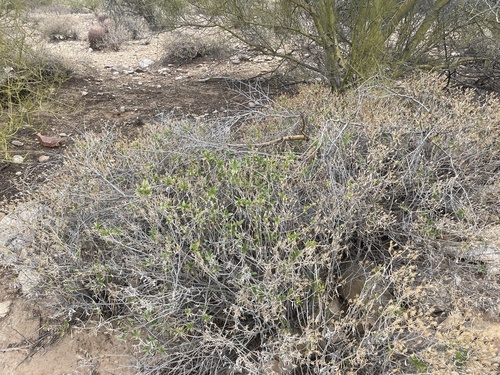
Trixis californica is a rounded shrub in the daisy family reaching 1.5-5 feet (0.5-1.5 m) tall and about as wide, with many slender, brittle stems rising from the base. Leaves are lance-shaped, 1-3 inches (2.5-8 cm) long, bright to gray-green, slightly sticky, and dropped during extended drought. Yellow flower heads about 0.5-0.75 inch (1.3-2 cm) across cluster at the branch tips; each head holds two-lipped ray and disk florets rather than the flat rays of a typical daisy. Bloom runs from late winter through spring, with scattered flowering after summer rains. Seeds bear a tuft of white bristles and are carried by wind. Growth is moderate, and plants resprout from the base after browsing or frost damage. The shrub is hardy only in mild-winter regions and is killed back by hard freezes. Foliage is sparse during long dry periods.
Native Range
Native to the deserts and arid foothills of the southwestern United States, including southern California, Arizona, New Mexico, and Texas, and south through much of Mexico. Grows on rocky slopes, canyon walls, washes, and desert flats below 5,000 feet (1,500 m), often in the shelter of larger shrubs and boulders.Suggested Uses
Used in desert and dry-climate gardens, rock gardens, and revegetation plantings, spaced 3-4 feet (0.9-1.2 m) apart. Supports native bees and butterflies during its spring bloom. Cold sensitivity restricts its use to mild-winter regions.How to Identify
Appearance
Size & Dimensions
Height1'6" - 5'
Width/Spread2' - 5'
Colors
Bloom Information
Flowers open mainly from February to May, beginning as winter rains warm. Scattered flowering can follow summer monsoon rains in July and August. Individual heads last about a week, and the main bloom period spans 6-10 weeks in spring.
Detailed Descriptions
Foliage Description
Bright to gray-greenGrowing Conditions
Sun Requirements
Requires 6-10 hours of direct sunlight daily
• Full Sun: 6+ hours of direct sunlight
• Partial Shade: 3-6 hours of direct sunlight
• Full Shade: Less than 3 hours of direct sunlight
Care & Maintenance
Care Guide
Grow in full sun to light shade in rocky, sandy, or gravelly well-drained soil. Water occasionally to establish; once rooted, the shrub needs little to no irrigation and drops leaves during prolonged drought. Hard frost below the mid-20s Fahrenheit (about -4 C) kills stems to the ground, though plants resprout from the base in mild regions. Overwatering or heavy, wet soil leads to root rot. No fertilizer is needed. Plants are short-lived, often persisting 5-10 years, and replace themselves from seed.Pruning
Cut frost-damaged or dead stems back to live wood in spring once new growth appears. Shear lightly after the main bloom to hold a compact form. The shrub resprouts readily from older wood and from the base.Pruning Schedule
Prune: March–April
early spring
Container Growing
Suitable for container growing
Minimum container size: 5 gallons