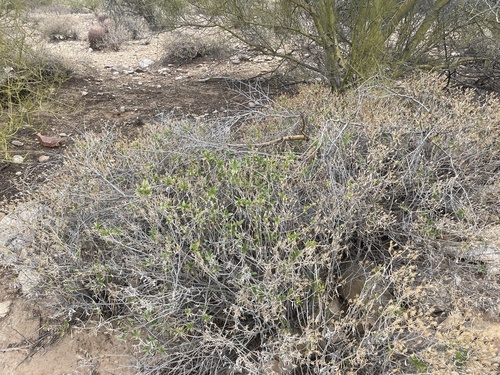
Trixis, Genus, spp., Multiple species,
- Genus
- Multiple species
threefold
Americas (southwestern US to Argentina)
Overview
Trixis is a genus of about 65 species of shrubs and subshrubs in the daisy family (Asteraceae), native to the warmer parts of the Americas from the southwestern United States to Argentina. Plants form bushy, often sprawling growth 1-5 feet (0.3-1.5 m) tall, with alternate, lance-shaped leaves that are sometimes sticky or aromatic. The flower heads are yellow and two-lipped, a corolla shape found in relatively few other members of the family, grouped in leafy clusters at the branch tips. Each head is backed by green bracts and ripens into seeds tipped with a tuft of pappus bristles for wind dispersal. Trixis californica, the American threefold, grows on desert slopes and washes and blooms after rain. The genus tolerates heat, drought, and poor, rocky soils, and several species act as larval hosts for butterflies. Growth is fast where moisture is available, and plants often die back to the base in cold or drought before resprouting.
Native Range
Native to the Americas from the southwestern United States through Mexico and Central America to Argentina, growing on desert slopes, washes, rocky hillsides, and dry woodland.Suggested Uses
Grown in desert, native, and pollinator gardens, on dry slopes, and in low-water landscapes. Used for erosion control and as a butterfly host plant in warm regions.How to Identify
Appearance
Size & Dimensions
Height1' - 5'
Width/Spread1' - 4'
Colors
Bloom Information
Detailed Descriptions
Foliage Description
green to grey-greenGrowing Conditions
Sun Requirements
Requires 6-12 hours of direct sunlight daily
• Full Sun: 6+ hours of direct sunlight
• Partial Shade: 3-6 hours of direct sunlight
• Full Shade: Less than 3 hours of direct sunlight
