Triticum, Genus, spp., Multiple species,
- Genus
- Multiple species
wheat
Overview
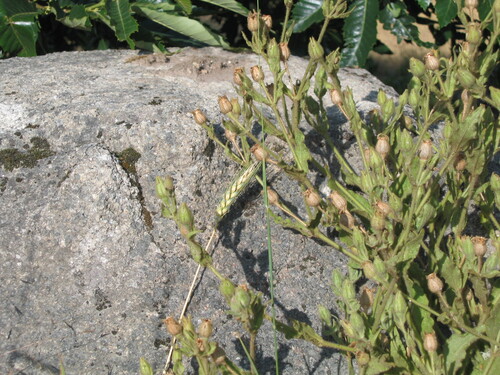
Triticum is a genus of annual grasses in the family Poaceae, grown worldwide as wheat, one of the principal cereal crops. Plants form upright tufts of hollow stems 2-4 feet (60-120 cm) tall, bearing flat, linear leaves and topped by a terminal spike, or ear, of densely packed spikelets. Each spikelet holds several florets that are wind-pollinated and ripen into the dry, one-seeded grains harvested for flour. Cultivated species include bread wheat (Triticum aestivum) and durum wheat (T. durum), alongside older forms such as einkorn and emmer. The genus arose in the Fertile Crescent of the Near East and has been in cultivation for more than ten thousand years, with thousands of varieties bred for climate, milling quality, and disease resistance. Wheat grows as a cool-season annual, sown in autumn or spring and harvested in summer. Crops are affected by rusts, smuts, and aphids, and yields depend heavily on soil fertility and rainfall.
Native Range
The genus originated in the Fertile Crescent of the Near East and is now grown across temperate and subtropical regions worldwide as a field crop. Wild relatives persist in grasslands of western Asia.Suggested Uses
Grown chiefly as a grain crop for flour, bread, pasta, and animal feed. Also sown as a cover crop and grown on a small scale for ornamental dried ears and for green wheatgrass.How to Identify
Appearance
Size & Dimensions
Height2' - 4'
Width/Spread6" - 1'
Colors
Flower Colors
Foliage Colors
Bloom Information
Detailed Descriptions
Foliage Description
green to blue-greenGrowing Conditions
Sun Requirements
Requires 6-12 hours of direct sunlight daily
• Full Sun: 6+ hours of direct sunlight
• Partial Shade: 3-6 hours of direct sunlight
• Full Shade: Less than 3 hours of direct sunlight
Water & Climate
Water Needs
Care & Maintenance
Care Guide
Wheat grows in full sun in fertile, well-drained loams with a near-neutral pH and steady moisture during stem growth and grain fill. Winter types are sown in autumn and need a cold period to flower, while spring types are sown after frost. Crops draw heavily on soil nitrogen and respond to balanced fertility. Plants are grown from seed drilled into prepared ground at field scale or in beds. Rusts, powdery mildew, smuts, and aphids are recurring problems, and lodging can flatten tall stands in wind and rain.Pruning
Pruning does not apply to this annual cereal. Stands are left to ripen and then cut whole at harvest, with stubble mown or tilled into the soil afterward.Toxicity
Non-toxicPlanting Guide
Planting Methods & Timing
Planting Method
direct sow
Direct Sow Timing
Autumn for winter wheat; early spring for spring wheat
Days to Maturity
100–240 days
Plant Spacing
1 inches