Triteleia, Genus, hyacinthina, Species,
- Genus & species
white brodiaea
Pacific Coast and Inland Northwest North America
Overview
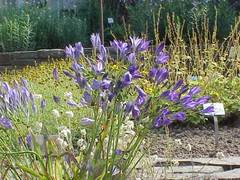
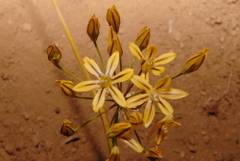
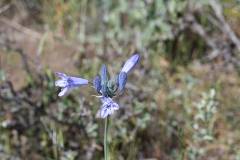
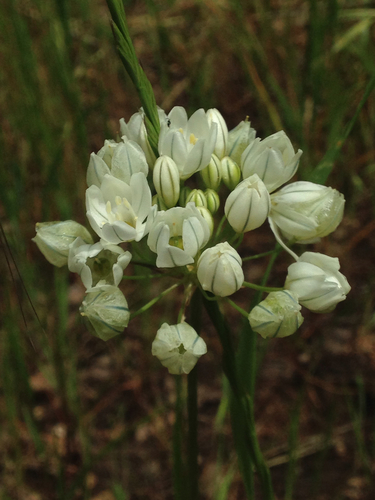
Triteleia hyacinthina is a perennial corm reaching 1-2 feet (30-60 cm) tall with two to four basal grass-like leaves 6-12 inches (15-30 cm) long that wither during bloom. Each corm sends up a single slender flowering stem topped with an umbel of 10-30 white flowers from May through July, with peak bloom in June. Each flower is 0.5-0.75 inch (12-19 mm) across with six tepals fused at the base into a short tube; tepals often have a green or pale lavender midvein. Each individual flower lasts 4-7 days; the entire umbel remains in flower for 2-4 weeks. After bloom, dry capsules ripen July through August and split to release angular black seeds. Foliage and stems wither completely by midsummer; corms remain dormant in dry soil through fall and winter, sending up new leaves with the first autumn rains in zones 8-10. Spreads by both corm offsets and self-seeding, producing 5-15 seedlings annually around established colonies. Lifespan of an individual corm 5-10 years; colonies persist much longer through ongoing offset and seed regeneration.
Native Range
Native to seasonally moist meadows, oak woodland openings, vernal pool margins, and rocky slopes from southern British Columbia south through Washington, Oregon, and California to northern Baja California, Mexico, with eastern populations into Idaho. Found at elevations from sea level to 6,500 feet (2,000 m), most commonly below 3,500 feet (1,070 m).Suggested Uses
Used in California native plant gardens, dry meadow plantings, rock gardens, and oak woodland understory. Planted 4-6 inches (10-15 cm) apart in clusters of 25-50 corms for visible drifts. Suits unirrigated mediterranean-climate gardens that are dry through summer and wet through winter; not suited to gardens with summer irrigation that keeps the corms wet during dormancy.How to Identify
Appearance
Size & Dimensions
Height1' - 2'
Width/Spread4" - 6"
Bloom Information
Flowers from May through July across the range, with peak bloom in June. In coastal California (zones 9-10), flowering may begin in late April; in higher-elevation or northern populations (zones 7-8), bloom occurs through mid-July. The entire umbel remains in flower for 2-4 weeks per stem.
Detailed Descriptions
Flower Description
white with green or pale lavender midveinsFoliage Description
medium greenGrowing Conditions
Sun Requirements
Requires 6-10 hours of direct sunlight daily
• Full Sun: 6+ hours of direct sunlight
• Partial Shade: 3-6 hours of direct sunlight
• Full Shade: Less than 3 hours of direct sunlight
Care & Maintenance
Care Guide
Plant corms 3-4 inches (7.5-10 cm) deep and 4-6 inches (10-15 cm) apart in well-drained loam or rocky soil with full sun to light shade. Water during the active growth period in fall through spring; withhold supplemental water during summer dormancy, as wet soil during dormancy promotes corm rot. Tolerates lean rocky soils and is adapted to seasonal summer drought. Gophers and voles can consume corms; planting in wire baskets reduces loss in rodent-active sites. Crowns naturalize in suitable conditions and form colonies of 30-100 corms over 5-10 years. Divide colonies in early fall every 5-7 years if flowering decreases or if rotation to fresh soil is desired.Pruning
No structural pruning is required. Cut spent flowering stalks to the base after seed has set if self-seeding is not wanted. Allow leaves to wither naturally in early summer; cutting them while green reduces the corm reserves available for the next year's bloom.Pruning Schedule
Prune: July
summer
Container Growing
Suitable for container growing
Minimum container size: 1 gallons