Triodanis, Genus, spp., Multiple species,
- Genus
- Multiple species
Venus' looking-glasses
Primarily North America, with species in South America and the Mediterranean
SunFull Sun
Overview
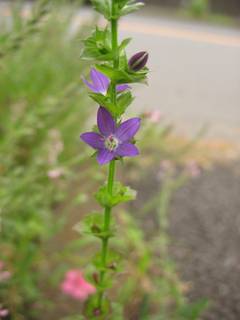
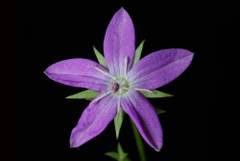
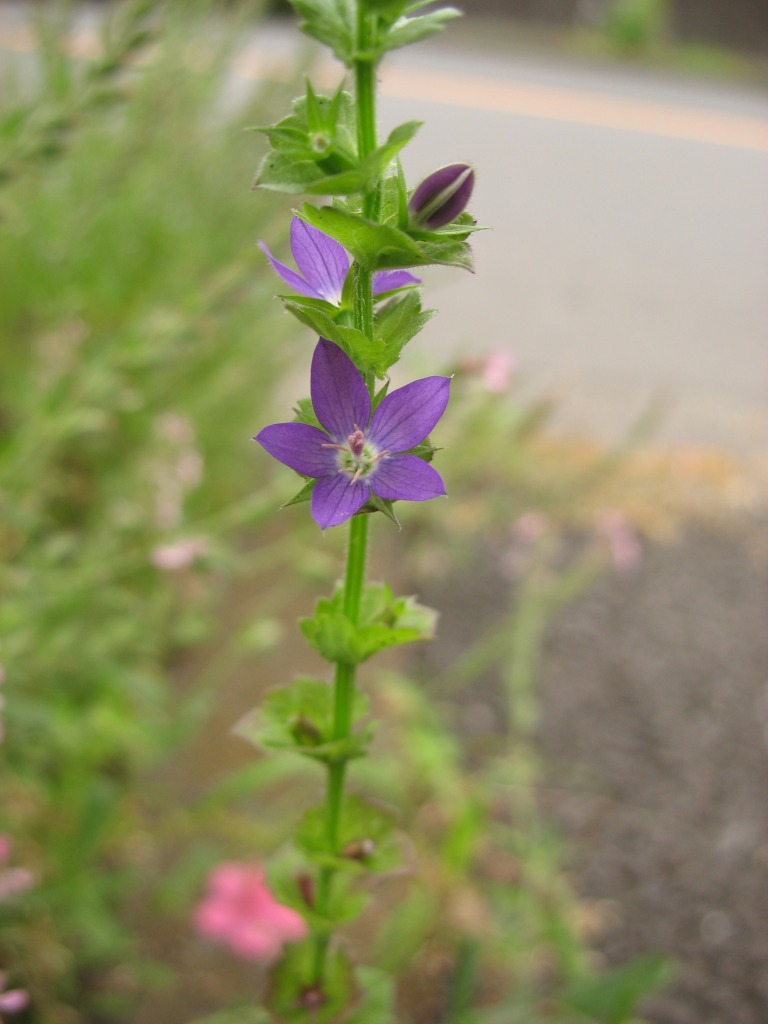
Triodanis is a genus of about six to eight species of slender annual herbs in the bellflower family, Campanulaceae, native mainly to North America with a few species reaching South America and the Mediterranean. Plants form a single upright stem 6-24 in (15-60 cm) tall, often unbranched, clothed in small, round to heart-shaped leaves that clasp the stem with toothed margins. Violet-blue to purple five-lobed star-shaped flowers 0.3-0.6 in (8-15 mm) across open singly in the axils of the upper leaves from late spring into summer. The lower flowers never open, self-pollinating in bud, while only the uppermost flowers spread their petals, which is the origin of the common name Venus looking-glass. Each flower sits against a leaf, and the developing capsule releases seed through small pores in its side. Plants grow quickly in poor, dry, sunny ground, including roadsides, lawns, fields, and rocky openings, and self-sow freely to return year after year. They are weedy in habit, short-lived, and tolerant of drought and neglect.
Native Range
The genus is centred in North America, where species occur across most of the United States, southern Canada, and Mexico in open, disturbed, and rocky ground. A few species extend into South America, and T. perfoliata has naturalised in parts of Europe and beyond.Suggested Uses
Venus looking-glass is grown in wildflower meadows, native plantings, and gravel or rock gardens, and self-sows into the cracks of paving and dry banks. Its slender upright form suits naturalistic and pollinator plantings. It also colonises poor ground where little else grows.How to Identify
Appearance
Size & Dimensions
Height6" - 2'
Width/Spread2" - 6"
Bloom Information
Flowering runs from late spring into midsummer, generally May to July, with small violet to purple flowers opening a few at a time up the stem. Each open flower lasts only a day or two, and the lower buds set seed without ever opening. Bloom continues over several weeks as the stem lengthens.
Detailed Descriptions
Flower Description
violet-blue to purpleFoliage Description
greenGrowing Conditions
Sun Requirements
Requires 6-12 hours of direct sunlight daily
• Full Sun: 6+ hours of direct sunlight
• Partial Shade: 3-6 hours of direct sunlight
• Full Shade: Less than 3 hours of direct sunlight
Water & Climate
Water Needs
Drought Tolerance
Drought tolerant when established
Care & Maintenance
Care Guide
Triodanis grows in full sun on poor, dry, freely draining soil at pH around 5.5-7.5, including sandy, gravelly, and compacted ground. Plants need little care, thrive on neglect, and decline in rich, moist, or shaded conditions. Sow seed directly in autumn or early spring where plants are to grow, as the slender taproot is easily damaged by disturbance. Once present, the genus self-sows reliably and needs no watering beyond establishment. Few pests or diseases affect it. Removing some seed capsules before they shed limits unwanted spread into lawns and beds.Pruning
No pruning is needed for these small annuals. Plants can be pulled once they finish flowering and set seed, leaving a few to self-sow where more are wanted. Shearing has no benefit, and the plants die after seeding.Toxicity: Not assessed
UnknownPlanting Guide
Planting Methods & Timing
Planting Method
direct sow
Direct Sow Timing
autumn or early spring
Days to Maturity
60–90 days
Plant Spacing
4 inches