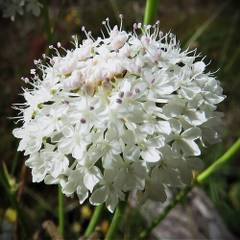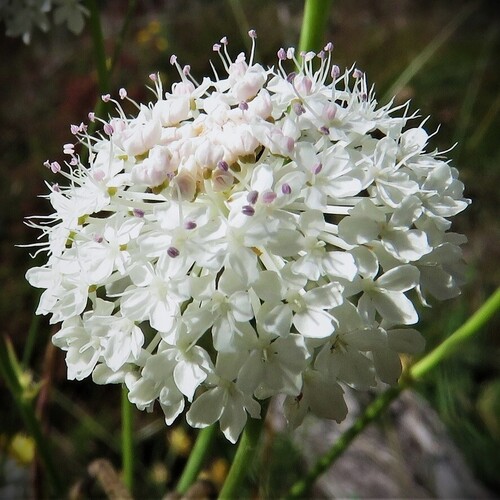
Trachymene, Genus, spp., Multiple species,
- Genus
- Multiple species
blue lace flower
Overview
Trachymene is a genus of around fifty herbaceous plants placed in the family Araliaceae, native mainly to Australia with some species reaching South-East Asia and the Pacific islands. The genus includes both annuals and short-lived perennials, growing from 8-36 inches (20-90 cm) tall on slender, branching stems with finely divided, ferny leaves. Small flowers are packed into rounded umbels held on long stalks, giving the look of a lace-cap. The widely grown blue lace flower, T. coerulea, is an annual carrying domed heads of lavender-blue flowers about 2 inches (5 cm) across through summer, and it is raised as a cut flower and bedding plant. Other species bear white, pink, or pale flowers and grow in heath, woodland, and rocky ground across Australia. Most are pollinated by insects drawn to the flat flower heads. The annual species flower for several weeks before setting seed and dying, and they transplant poorly, so they are sown in place rather than moved. Plants need warmth and free drainage and are cut down by frost.
Native Range
Native mainly to Australia, where most species occur, with a smaller number extending through South-East Asia to New Guinea and Pacific islands, in open woodland, heath, and rocky places.Suggested Uses
The blue lace flower is grown in summer borders, cutting gardens, and containers, and is cut for fresh and dried arrangements. Other species are used in native and dry-climate plantings within their range.How to Identify
Appearance
Size & Dimensions
Height8" - 3'
Width/Spread8" - 1'6"
Bloom Information
Flowering runs through summer, with each domed umbel lasting one to two weeks and a succession opening over several weeks. The blue-flowered annual blooms about 12 to 16 weeks after sowing. Bloom ends as seed sets and the annual plants die.
Detailed Descriptions
Flower Description
lavender-blue, white, or pinkFoliage Description
greenGrowing Conditions
Sun Requirements
Requires 6-12 hours of direct sunlight daily
• Full Sun: 6+ hours of direct sunlight
• Partial Shade: 3-6 hours of direct sunlight
• Full Shade: Less than 3 hours of direct sunlight
Care & Maintenance
Care Guide
Plants grow in full sun in light, free-draining soil with a pH near 6.0 to 7.5. Warmth is needed, and the annual species are frost-tender and grown as warm-season plants. Even moisture during growth supports flowering, while wet, heavy soil causes collapse. The annuals form a taproot and move poorly, so seed is sown directly in spring or started in deep cells to limit disturbance. Light staking helps the slender stems in windy sites. Aphids can gather on the soft new growth.Pruning
No formal pruning is needed. Removing spent flower heads on the annuals extends bloom and limits self-seeding. Cutting stems for the vase also brings on further flowering.Container Growing
Suitable for container growing
Minimum container size: 2 gallons
Toxicity: Not assessed
UnknownPlanting Guide
Planting Methods & Timing
Planting Method
direct sow
Indoor Start
6 weeks before last frost
Direct Sow Timing
after the last frost in spring
Days to Maturity
84–112 days
Plant Spacing
8 inches