Trachycarpus, Genus, spp., Multiple species,
- Genus
- Multiple species
windmill palm
Overview
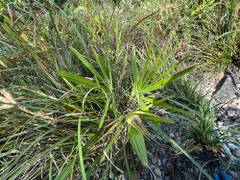
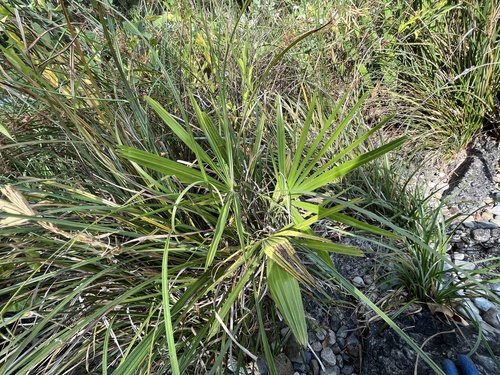
Trachycarpus is a genus of about ten fan palms in the family Arecaceae, native to the Himalaya, China, and parts of South-East Asia. Most form a single slender trunk wrapped in coarse brown fibre and old leaf bases, topped by a rounded crown of palmate leaves split into many stiff segments. The windmill palm, T. fortunei, is the species seen in cultivation and reaches 10-40 feet (3-12 m) depending on age and climate. The genus is among the cold-tolerant palms, with T. fortunei surviving brief temperatures near 5 F (-15 C) once established, which allows palms to be grown well outside the tropics. Most species are dioecious, carrying separate male and female plants; arching panicles of small yellow flowers open in spring, and female plants ripen clusters of kidney-shaped blue-black fruit. Growth is slow to moderate, and trunks gain height only after several years of leaf production. The fibrous trunk and fan leaves are wind- and salt-tolerant, though leaves can tear and brown at the tips in strong exposure. Smaller species such as T. nanus stay nearly trunkless.
Native Range
Native to montane Asia, from northern India and Nepal through Myanmar and southern China, growing on hill slopes and in forest clearings at moderate to high elevations.Suggested Uses
Grown as a hardy specimen palm in temperate gardens, courtyards, and large containers, and in coastal plantings for its wind and salt tolerance. It is used to give a subtropical look in climates too cold for most palms.How to Identify
Appearance
Size & Dimensions
Height10' - 40'
Width/Spread6' - 10'
Bloom Information
Detailed Descriptions
Foliage Description
greenGrowing Conditions
Sun Requirements
Requires 6-12 hours of direct sunlight daily
• Full Sun: 6+ hours of direct sunlight
• Partial Shade: 3-6 hours of direct sunlight
• Full Shade: Less than 3 hours of direct sunlight
Care & Maintenance
Care Guide
Palms grow in full sun to part shade in free-draining soil with a pH near 6.0 to 7.5, and tolerate clay if it does not stay waterlogged. The hardiest species withstand winter cold to roughly zones 7 to 8 once trunk-forming, though young plants need shelter from cold drying wind that can scorch the leaves. Steady moisture and feeding in summer speed growth, which is otherwise slow. Old leaf fibre can be left on the trunk for cold protection or trimmed for a cleaner look. The main problems are crown rot in cold wet soil and leaf tearing in exposed sites. Propagation is from seed, which germinates over several months.Pruning
Pruning is limited to cutting away dead or badly torn lower leaves close to the trunk, usually in spring. The brown trunk fibre is left in place or trimmed to taste. Removing healthy green leaves is held back, as the crown holds only a limited number.Container Growing
Suitable for container growing
Minimum container size: 15 gallons