Tinantia, Genus, spp., Multiple species,
- Genus
- Multiple species
false dayflower
Mexico, Central America, and the southern United States
Overview
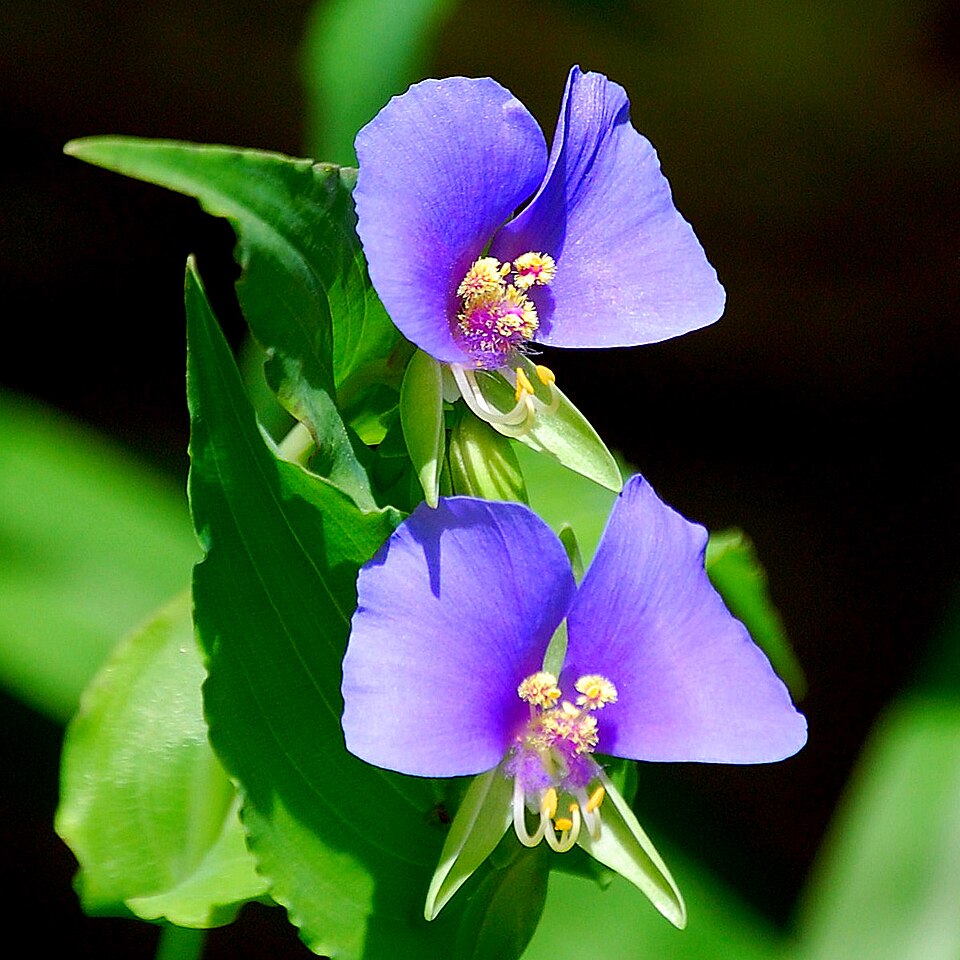
Tinantia is a genus of about a dozen herbaceous species in the spiderwort family, Commelinaceae, native to Mexico, Central America, and the southern United States, with a few species reaching South America. Plants have soft, somewhat succulent stems and clasping, lance-shaped leaves, and most reach 12-24 inches (30-60 cm) tall. The flowers follow the dayflower pattern of three petals, here in pink, lavender, violet, or pale blue, each bloom lasting a single day and carried in branched clusters above the foliage. Several species, including T. pringlei, bear stamens with conspicuous coloured hairs and foliage spotted or flushed with purple. Flowering continues through summer and, in mild areas, into autumn. Most species grow in moist, shaded ground along streambanks and woodland edges, and they reseed freely where conditions suit, sometimes to the point of becoming weedy. T. erecta is grown as a warm-season annual in cooler climates. The genus tolerates heat and humidity but collapses in dry soil and is cut down by the first hard frost.
Native Range
Native to the New World, centred in Mexico and Central America, with species extending north into Texas and the southern United States and south into parts of tropical South America.Suggested Uses
Grown in shaded borders, woodland gardens, and containers for summer foliage and flowers. The purple-leaved forms are used as warm-season bedding and as house or conservatory plants in cold climates.How to Identify
Appearance
Size & Dimensions
Height1' - 2'
Width/Spread1' - 1'6"
Bloom Information
Detailed Descriptions
Flower Description
pink, lavender, violet, or pale blueFoliage Description
green to purple-mottledGrowing Conditions
Sun Requirements
Requires 2-6 hours of direct sunlight daily
• Full Sun: 6+ hours of direct sunlight
• Partial Shade: 3-6 hours of direct sunlight
• Full Shade: Less than 3 hours of direct sunlight
Care & Maintenance
Care Guide
Plants grow in part shade to filtered light in moist, humus-rich soil with a pH near 6.0 to 7.5. Steady moisture is needed, as the soft stems wilt quickly in dry ground. Little feeding is required, and growth is rapid in warm, humid weather. Most species are tender and survive winter only in zones 7 to 10, though they reseed readily and return from self-sown seedlings in colder gardens. Seed and stem cuttings both root easily. Self-sowing can be heavy, so unwanted seedlings are thinned out in spring.Pruning
Stems can be cut back by half in midsummer to control sprawl and bring on fresh growth. Removing spent flower clusters limits self-seeding. Frost blackens the foliage, which is cleared once growth dies down.Container Growing
Suitable for container growing
Minimum container size: 1 gallons