Image 1 of 10
Plant Reference
1 / 10
Thaumatophyllum, Genus, bipinnatifidum, Species,
- Genus & species
split-leaf philodendron
Southern Brazil, Bolivia, Argentina, Paraguay
Overview
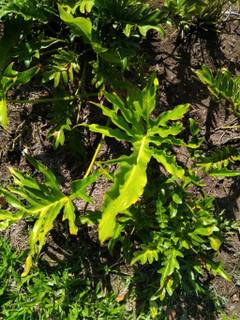
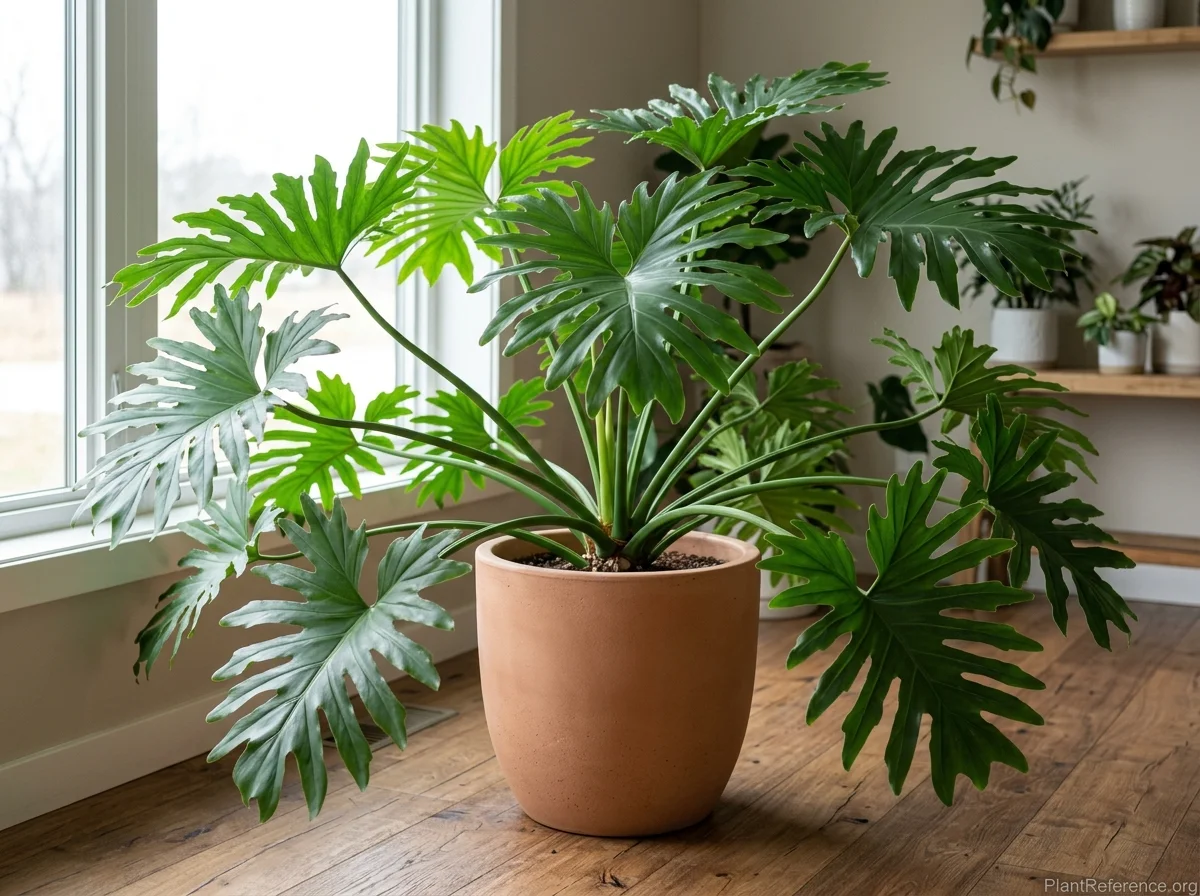
Thaumatophyllum bipinnatifidum (formerly Philodendron bipinnatifidum, commonly still sold as 'split-leaf philodendron' or 'tree philodendron') grows 48–96 inches (120–240 cm) indoors. Large deeply lobed (pinnately divided) dark green glossy leaves 18–36 inches (45–90 cm) on thick petioles 18–24 inches (45–60 cm). Self-heading: grows from a single thick trunk with aerial roots rather than climbing, distinguishing it from climbing philodendrons and from Monstera deliciosa (which also has split leaves but climbs and has fenestrations/holes, not pinnate lobing). Reclassified from Philodendron to Thaumatophyllum in 2018 based on molecular phylogenetic analysis — the species is not a true philodendron, though it remains in the same family (Araceae). The thick trunk develops with age and can reach 6–8 inches (15–20 cm) in diameter, covered with leaf scars and aerial roots. All parts contain calcium oxalate raphides — toxic to dogs, cats, and humans. Native to southern Brazil, Bolivia, Argentina, and Paraguay. Bright indirect to medium light indoors; partial shade to full sun outdoors. The large mature size at 48–96 inches (120–240 cm) wide requires substantial floor space. Consistently moist but not waterlogged soil. Root rot in dense wet mix. Mealybugs and scale. Growth rate is moderate. Containers of 5–10 gallons (20–40 liters). Frost-tender. Zones 9–11 outdoors.
Native Range
Native to southern Brazil, Bolivia, Argentina, and Paraguay, where it grows as a terrestrial plant in tropical and subtropical forests.Suggested Uses
Grown in containers of 5–10 gallons (20–40 liters) as a large floor specimen in bright indirect light. Outdoors in zones 9–11. The large leaf size and the thick trunk create a tropical foliage display. Requires substantial floor space. All parts toxic. Frost-tender.How to Identify
Appearance
Size & Dimensions
Height4' - 8'
Width/Spread4' - 8'
Bloom Information
White to cream spathe with cream spadix — rarely produced indoors. In outdoor tropical settings, the inflorescence develops on mature plants. The deeply lobed evergreen foliage is the year-round feature.
Detailed Descriptions
Flower Description
White to cream spathe with cream spadix; rare indoorsFoliage Description
Dark green, glossy, deeply lobed (pinnately divided)Growing Conditions
Sun Requirements
Requires 3-6 hours of direct sunlight daily
• Full Sun: 6+ hours of direct sunlight
• Partial Shade: 3-6 hours of direct sunlight
• Full Shade: Less than 3 hours of direct sunlight
Care & Maintenance
Care Guide
Bright indirect to medium light. Consistently moist but not waterlogged soil. The large mature size requires substantial floor space (48–96 inches / 120–240 cm wide). Reclassified from Philodendron to Thaumatophyllum. All parts toxic (calcium oxalate). Mealybugs and scale. Frost-tender. Zones 9–11 outdoors.Pruning
Remove yellowed or damaged leaves at the petiole base. The thick trunk and aerial roots are normal — do not remove aerial roots. The self-heading form requires no shape pruning. Wipe leaves to remove dust.Container Growing
Suitable for container growing
Minimum container size: 5 gallons