Teucrium, Genus, spp., Multiple species,
- Genus
- Multiple species
Woodsages
Mediterranean basin, Europe, western Asia, and North Africa
Overview
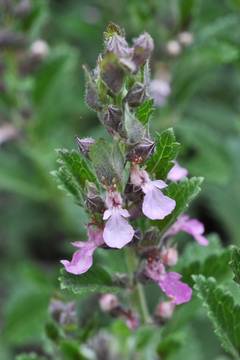
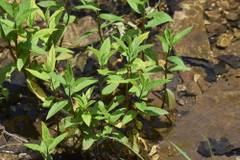
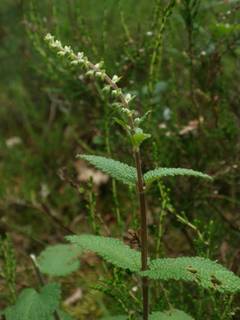
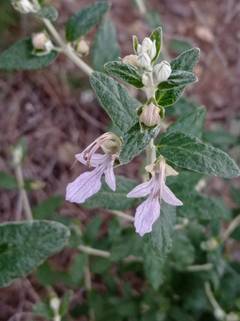
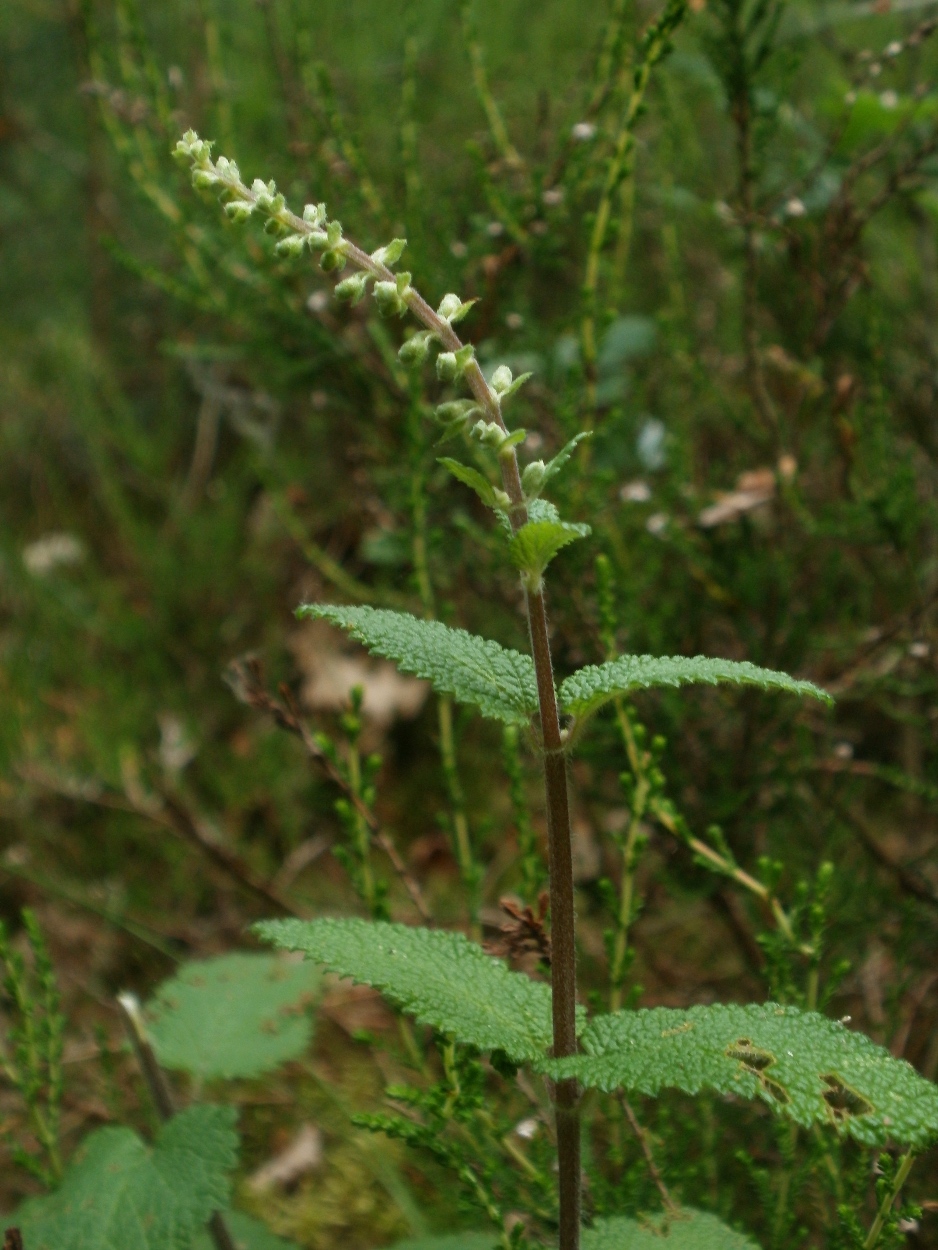
Teucrium is a genus of about 200 to 250 species of aromatic perennials, subshrubs, and shrubs in the mint family (Lamiaceae), centred on the Mediterranean basin but spread across temperate and subtropical regions worldwide. Habit ranges from low, creeping perennials a few centimetres tall to woody shrubs reaching 2.5 m (8 ft), so the genus spans heights of about 10 cm to 2.5 m (4 in to 8 ft). The leaves are opposite, often grey-green, hairy, and aromatic when crushed, with margins ranging from toothed to deeply lobed. The flowers are borne in spikes or whorls and have a modified corolla in which the upper lip is split and folded down, leaving the stamens exposed over a prominent lower lip; this single-lipped form separates Teucrium from most other mints. Flower colour spans pink, purple, blue, white, and pale yellow. Examples include T. chamaedrys, a low edging subshrub; T. fruticans, a silvery blue-flowered shrub; and T. scorodonia, the woodland wood sage. Several species, including T. chamaedrys, contain neo-clerodane diterpenes such as teucrin A that have been associated with liver injury when the plants are taken internally.
Native Range
Native across the Mediterranean region, Europe, western and central Asia, North Africa, and parts of the Americas and Australia. The richest concentration of species occurs around the Mediterranean basin, where many grow on dry, rocky, limestone hillsides.Suggested Uses
Low species are grown as edging, knot-garden hedging, and groundcover on dry banks, while taller shrubs serve as informal flowering hedges and Mediterranean border plants. The drought tolerance and aromatic foliage suit gravel gardens, coastal plantings, and pollinator borders.How to Identify
Appearance
Size & Dimensions
Height4" - 8'2"
Width/Spread1' - 6'
Bloom Information
Most species flower from late spring through summer, roughly May to September, with peak bloom in early to midsummer. T. fruticans can flower intermittently for much of the year in mild climates, while T. chamaedrys concentrates its bloom in July and August. The small flowers are visited heavily by bees.
Detailed Descriptions
Flower Description
pink, purple, blue, white, or pale yellowFoliage Description
grey-green to greenGrowing Conditions
Sun Requirements
Requires 6-10 hours of direct sunlight daily
• Full Sun: 6+ hours of direct sunlight
• Partial Shade: 3-6 hours of direct sunlight
• Full Shade: Less than 3 hours of direct sunlight
Water & Climate
Water Needs
Drought Tolerance
Drought tolerant when established
Care & Maintenance
Care Guide
Teucrium grows in full sun and sharp, free-draining soil, including poor, stony, and alkaline ground, and tolerates drought once established. Wet winter soils and humidity are the main causes of loss, so the genus is suited to open, airy positions. Shrubby species are hardy in mild-temperate gardens but may be cut back by hard frost and regrow from the base. Feeding is rarely needed and rich soils produce soft, floppy growth. Propagation is easy from semi-ripe cuttings taken in summer or from division of perennial species. Aromatic foliage leaves the plants largely untroubled by deer and rabbits.Pruning
Shrubby species such as T. fruticans and T. chamaedrys are trimmed in mid-spring after the worst frost has passed, cutting back the previous season's growth to maintain a dense, low outline. They tolerate clipping into formal edging and low hedges. Herbaceous wood sages are cut to the ground in late autumn or late winter.Container Growing
Suitable for container growing
Minimum container size: 3 gallons