Tetratheca, Genus, ciliata, Species,
- Genus & species
Pink-bells
Overview
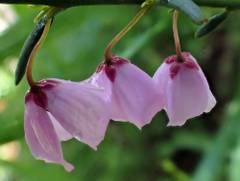
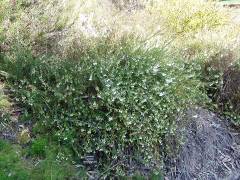
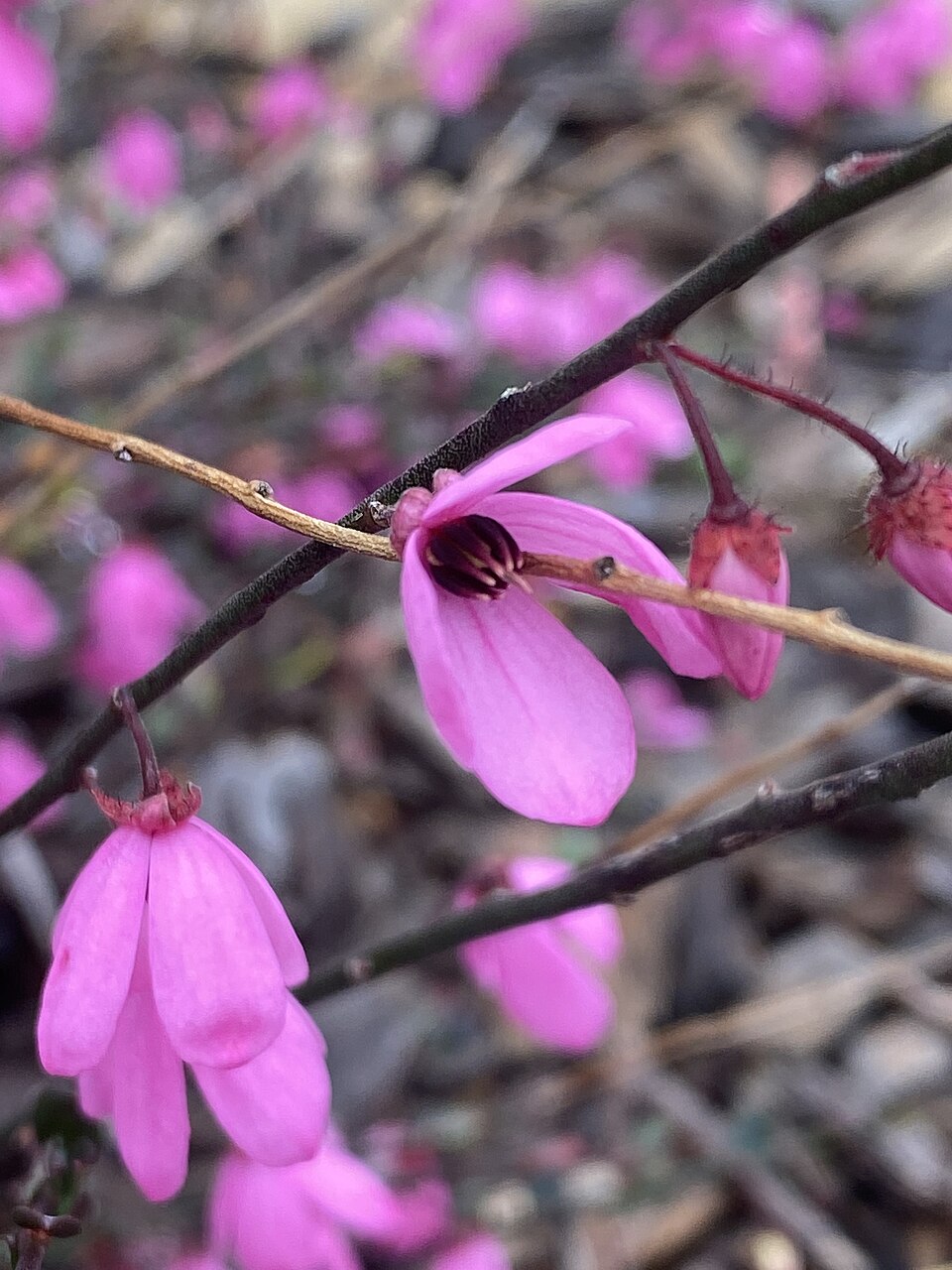
Tetratheca ciliata, known as pink-bells, is a small evergreen shrub in the family Elaeocarpaceae native to south-eastern Australia. The slender, wiry stems form a low, open bush 8-24 inches (20-60 cm) tall and 12-24 inches (30-60 cm) wide, clothed in small leaves that are hairy along the margins and often arranged in loose whorls. From late winter into spring the branches hang with nodding, four-petalled bell flowers about 0.4-0.6 inch (10-15 mm) long, in shades of pink to mauve, each dangling on a slender stalk. The flowers carry a tuft of dark stamens that release pollen through tiny pores, so the plant relies on native bees that vibrate the flowers to shake pollen free. Small capsules follow. The species grows in heath, dry forest, and woodland on sandy, gravelly, and peaty soils, often in light shade beneath taller shrubs. It withstands dry spells once established but declines in heavy, wet ground. Its low, open form blends into mixed understorey plantings.
Native Range
Tetratheca ciliata is native to south-eastern Australia, occurring in Victoria, South Australia, southern New South Wales, and Tasmania. It grows in heath, dry sclerophyll forest, and woodland on sandy, gravelly, or peaty soils, often in light shade.Suggested Uses
Grown in native and woodland gardens, rockeries, and containers for its spring bells, and in habitat plantings for native bees. Suited to light-shade understorey positions and dappled borders. Spaced 12-18 inches (30-45 cm) apart in mixed plantings.How to Identify
Appearance
Size & Dimensions
Height8" - 2'
Width/Spread1' - 2'
Bloom Information
Flowering runs from late winter into spring, mainly August to November, with nodding pink to mauve bells hanging along the wiry stems. The flowers are pollinated by native bees that buzz the dark stamens to release pollen. Flowering is heaviest on plants in light shade with some sun.
Detailed Descriptions
Flower Description
pink to mauveFoliage Description
green, hairyGrowing Conditions
Sun Requirements
Requires 4-8 hours of direct sunlight daily
• Full Sun: 6+ hours of direct sunlight
• Partial Shade: 3-6 hours of direct sunlight
• Full Shade: Less than 3 hours of direct sunlight
Care & Maintenance
Care Guide
Grows in part sun to light shade on freely draining sandy, gravelly, or peaty soils that are neutral to acidic. Established plants tolerate dry spells, while heavy, wet, or alkaline ground causes decline. Even moisture during the cool months supports flowering, after which the plant needs little summer water. Low-phosphorus native fertilizer in early spring supports growth. The shrub keeps a fuller shape in dappled light rather than deep shade or harsh full sun. A mulch of coarse leaf litter keeps the roots cool and the soil open.Pruning
Light tip pruning after flowering keeps the wiry shrub compact and encourages branching. Cutting into bare older wood often fails to reshoot, so trimming stays in leafy growth. Pruning is usually done in late spring once flowering ends.Pruning Schedule
Prune: November–December
late spring
Container Growing
Suitable for container growing
Minimum container size: 3 gallons