Tetrarrhena, Genus, spp., Multiple species,
- Genus
- Multiple species
wiregrass
Overview
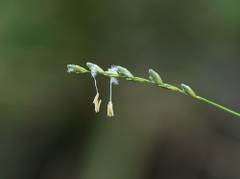
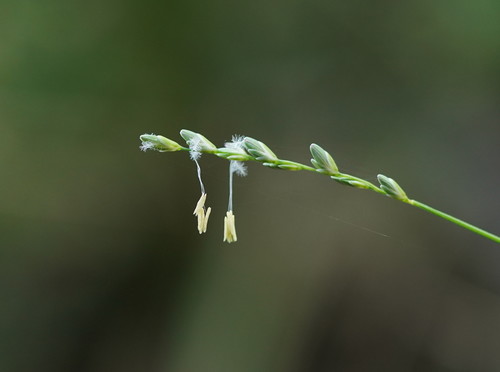
Tetrarrhena is a genus of about 20 perennial grasses in the family Poaceae, native to forests and heath of southeastern Australia. Most species are wiry, sprawling or scrambling grasses of shaded understory, forming loose tangles that lean on surrounding shrubs. Stems are tough and slender, 1-5 feet (0.3-1.5 m) long, clothed in flat or inrolled leaves arranged along the stem. In T. juncea, the forest wiregrass, stems scramble densely through the shrub layer, while T. distichophylla forms lower, tufted clumps. The flower heads are narrow, spike-like panicles of small green to straw-colored spikelets that ripen to hard seeds. Plants spread by short rhizomes and self-seed, knitting together to cover ground and bind soil on slopes. The wiry growth can scramble over and shade out smaller plants in confined beds. Tetrarrhena tolerates dry shade and poor soils once established but browns under prolonged drought and is damaged by hard frost in colder districts.
Native Range
Tetrarrhena is native to southeastern Australia, including New South Wales, Victoria, Tasmania, and South Australia. It grows in eucalypt forest, woodland, and heath, usually in the shaded understory.Suggested Uses
Used as an understory grass in woodland and native gardens, and for soil binding and erosion control on shaded slopes. Suited to dry shade and naturalistic plantings beneath trees and shrubs.How to Identify
Appearance
Size & Dimensions
Height1' - 5'
Width/Spread2' - 4'
Bloom Information
Detailed Descriptions
Flower Description
green to strawFoliage Description
greenGrowing Conditions
Sun Requirements
Requires 3-8 hours of direct sunlight daily
• Full Sun: 6+ hours of direct sunlight
• Partial Shade: 3-6 hours of direct sunlight
• Full Shade: Less than 3 hours of direct sunlight
Care & Maintenance
Care Guide
Grow in partial shade to full sun in free-draining loam or sandy soil, including dry, root-filled ground beneath trees. Water occasionally until established, then rely on rainfall, as plants tolerate dry shade. Cut back tangled or untidy growth in late winter to refresh the clump. Tolerates poor soils and needs no feeding in most settings. Hardiness is moderate, with foliage damaged by hard frost in cold districts.Pruning
Cut back old, tangled, or frost-burned growth to near ground level in late winter before new shoots emerge. No other pruning is needed. Lift and divide clumps to manage spread or propagate.Container Growing
Suitable for container growing
Minimum container size: 3 gallons