Tectaria, Genus, spp., Multiple species,
- Genus
- Multiple species
halberd ferns
Overview
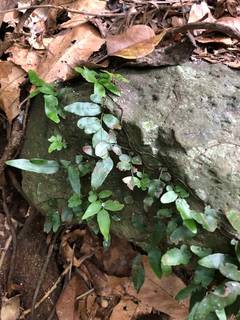
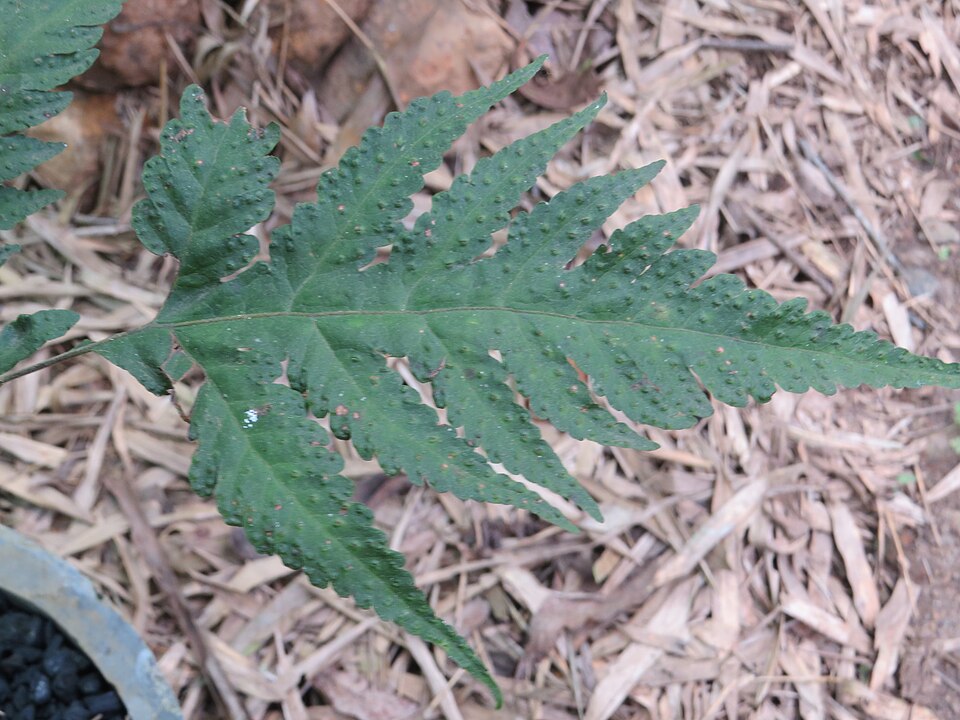
Tectaria is a genus of around 150-200 species of terrestrial and rock-dwelling ferns in the family Tectariaceae, distributed through tropical and subtropical regions worldwide. Plants grow from short, erect or creeping rhizomes and form clumps of fronds 20-120 cm (8-47 in) long. The fronds vary from simple and arrowhead-shaped to once- or twice-divided, often with a winged central axis, and are typically mid- to dark green with a leathery to papery texture. Spore-bearing structures (sori) sit in rows or scattered on the undersides of fertile fronds, usually with a small protective flap called an indusium. Species grow on shaded, humid forest floors, along streambanks, and on limestone outcrops, where they spread slowly by rhizome. Most need constant warmth, shade, and high humidity and are damaged by frost and dry air. Some species, such as T. incisa, are grown as foliage ferns in tropical gardens and conservatories.
Native Range
Tectaria is found throughout the wet tropics and subtropics of the world, including Southeast Asia, the Pacific, Africa, and tropical America. Species grow in shaded rainforest, on streambanks, and on limestone and rocky slopes.Suggested Uses
Tectaria is grown as a foliage fern in shaded tropical gardens, conservatories, terrariums, and as a houseplant in humid rooms. The clumping habit suits shaded borders and the bases of larger plants. In warm climates it fills moist, shaded ground under trees.How to Identify
Appearance
Size & Dimensions
Height8" - 3'11"
Width/Spread1' - 3'
Bloom Information
Ferns do not flower. Tectaria reproduces by spores released from sori on the undersides of fertile fronds, mainly during warm, humid periods. New fronds unfurl from the rhizome through the growing season.
Detailed Descriptions
Foliage Description
greenGrowing Conditions
Sun Requirements
Tolerates up to 4 hours of direct sunlight daily
• Full Sun: 6+ hours of direct sunlight
• Partial Shade: 3-6 hours of direct sunlight
• Full Shade: Less than 3 hours of direct sunlight
Care & Maintenance
Care Guide
Tectaria grows in deep to partial shade in warm, frost-free conditions and moist, humus-rich, well-drained soil. Plants need steady moisture and high humidity and decline in dry air, cold, or direct sun. A soil pH around 5.5-7.0 suits most species, and limestone-dwelling species accept more alkaline ground. Temperatures below about 10 C (50 F) damage the fronds. As houseplants they need bright shade and regular misting or a humid setting. Growth is slow to moderate, and clumps expand gradually by rhizome.Pruning
Old, browned, or damaged fronds are cut off at the base to keep plants tidy and make room for new growth. No other pruning is needed. Fronds emerge from the rhizome and are not cut back as a group.Container Growing
Suitable for container growing
Minimum container size: 2 gallons