Arthropteris, Genus, spp., Multiple species,
- Genus
- Multiple species
Tropical Africa, Asia, Australasia, and the Pacific
Overview
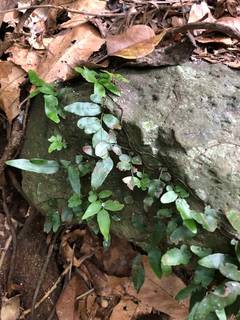
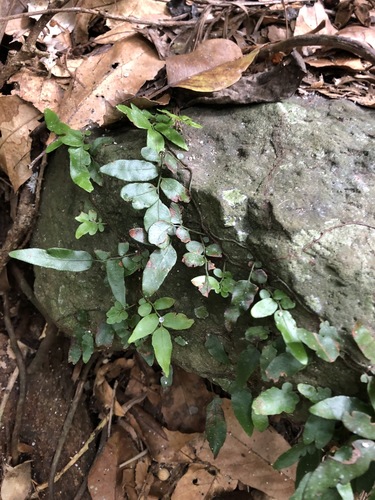
Arthropteris is a genus of about twenty small ferns in the family Tectariaceae, distributed through tropical and subtropical Africa, Asia, Australia, and the Pacific. Plants grow from long, wiry creeping rhizomes that scramble across the ground or climb tree trunks and rocks, rooting as they go. The once-pinnate fronds are spaced along the rhizome, 6-24 inches (15-60 cm) long, with the leaf stalk jointed where it meets the rhizome, so old fronds break away cleanly. Pinnae are oblong, 0.5-2 inches (1.3-5 cm) long, mid to deep green and somewhat leathery. Round sori sit in rows near the pinna margins on the undersides of fertile fronds and release spores rather than producing flowers or seed. Growth is steady in warm, humid shade, and the climbing rhizome can extend 3-10 feet (0.9-3 m) up a trunk over years. The fronds brown at the edges in dry air and the rhizome is damaged by frost, limiting outdoor use to frost-free climates.
Native Range
Native to tropical and subtropical regions of Africa, southern and southeastern Asia, Australia, New Zealand, and Pacific islands. Grows as an epiphyte on tree trunks and as a terrestrial fern on shaded rocks and banks in humid forest.Suggested Uses
Grown on shaded walls, totems, and tree trunks in frost-free gardens, and in hanging baskets or pots under cover elsewhere, spaced 12-18 inches (30-45 cm) apart. Suited to terrariums and humid conservatories where the creeping habit can extend over bark. Used as a groundcover fern in warm, shaded, humid borders.How to Identify
Appearance
Size & Dimensions
Height6" - 2'
Width/Spread1' - 3'
Bloom Information
Ferns produce no flowers. Spores ripen in round sori along the undersides of fertile fronds, mainly through the warm, humid months. Spore release continues over several weeks once the sori mature. Reproduction also occurs as the creeping rhizome roots and spreads.
Detailed Descriptions
Foliage Description
mid to deep greenGrowing Conditions
Sun Requirements
Tolerates up to 4 hours of direct sunlight daily
• Full Sun: 6+ hours of direct sunlight
• Partial Shade: 3-6 hours of direct sunlight
• Full Shade: Less than 3 hours of direct sunlight
Care & Maintenance
Care Guide
Plants grow in part to full shade in warm, humid conditions on bark, leaf-mould, or shaded rock kept evenly moist. Drying winds and low humidity brown the frond edges, and the rhizome is cut back by frost, so plants are grown under cover in climates colder than zone 10. Substrate is kept damp but not waterlogged, which rots the rhizome. Scale insects and mealybugs can settle on fronds in still indoor air. Old jointed fronds detach on their own and are cleared as they brown. Established plants spread without division for many years.Pruning
Browned or tattered fronds are trimmed at the rhizome through the year as they age. No seasonal cutback is needed in frost-free conditions. Wayward climbing rhizomes can be shortened to keep plants within bounds.Container Growing
Suitable for container growing
Minimum container size: 2 gallons