Taxodium, Genus, ascendens, Species,
- Genus & species
pondcypress
Overview
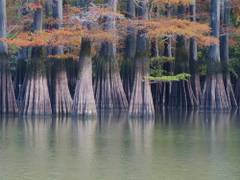
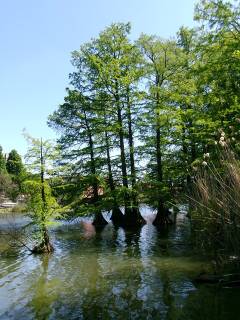
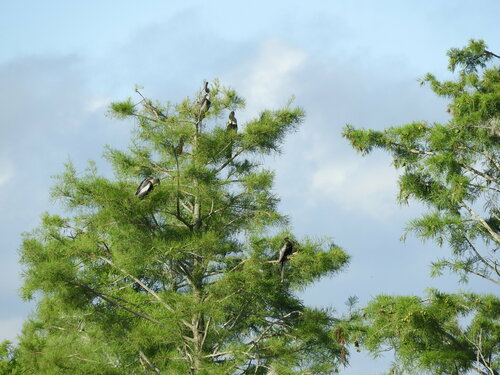
Taxodium ascendens is a deciduous conifer reaching 50-80 feet (15-24 m) tall and 10-20 feet (3-6 m) wide, with a narrow, columnar to conical crown and a buttressed, fluted trunk. Unlike the spreading branchlets of bald cypress, its slender branchlets stand upright, clothed in short, awl-shaped leaves 0.2-0.4 inch (5-10 mm) long pressed close to the twig. The soft, light green foliage turns coppery to rust-brown before dropping in fall, leaving a bare winged silhouette in winter. Small rounded cones about 1 inch (2.5 cm) across ripen from green to brown and break apart to release seed. In standing water the roots send up woody knees that rise above the surface, and the trunk base swells into a flared buttress. Growth is moderate, with trees long-lived over several centuries. It tolerates flooding, poor drainage, and acidic soils that few other timber trees endure, though it grows more slowly on dry upland sites.
Native Range
Native to the southeastern United States coastal plain, from Virginia south to Florida and west to Louisiana. Grows in blackwater swamps, wet pine flatwoods, pond margins, and seasonally flooded depressions on acidic, nutrient-poor soils.Suggested Uses
Planted along ponds, lakeshores, streambanks, and in rain gardens and wet low spots where few other trees grow, spaced 15-25 feet (4.6-7.6 m) apart. Its flood tolerance suits shoreline stabilization and wetland restoration. Knees rising from the roots in wet ground make it less suited to mowed lawns and small paved areas.How to Identify
Appearance
Size & Dimensions
Height50' - 80'
Width/Spread10' - 20'
Bloom Information
Detailed Descriptions
Foliage Description
light greenGrowing Conditions
Sun Requirements
Requires 6-12 hours of direct sunlight daily
• Full Sun: 6+ hours of direct sunlight
• Partial Shade: 3-6 hours of direct sunlight
• Full Shade: Less than 3 hours of direct sunlight
Care & Maintenance
Care Guide
Grows in full sun in wet to seasonally flooded, acidic soils and also tolerates ordinary moist garden soil, though it grows slower and shorter on dry ground. It withstands standing water, poor drainage, and brief saltwater flooding once established. Young trees take steady moisture in the first seasons. Knees form mainly in permanently wet sites and can rise in lawns near water, where they obstruct mowing. The species has few serious pests, though bagworms and spider mites appear at times. Alkaline soils cause yellowing from iron and manganese shortage.Pruning
Prune in late winter while dormant to remove dead or crossing branches and to lift the lower crown. The tree holds a central leader on its own and needs little shaping. Cutting the main leader spoils the narrow form, which is not regained.Pruning Schedule
Prune: January–February
winter