Tasmannia, Genus, spp., Multiple species,
- Genus
- Multiple species
mountain pepper
Southeastern Australia, Tasmania, and montane Malesia
Overview
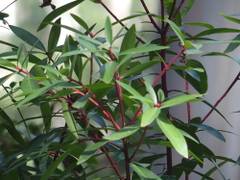
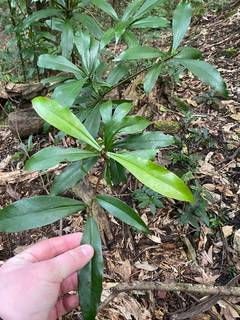
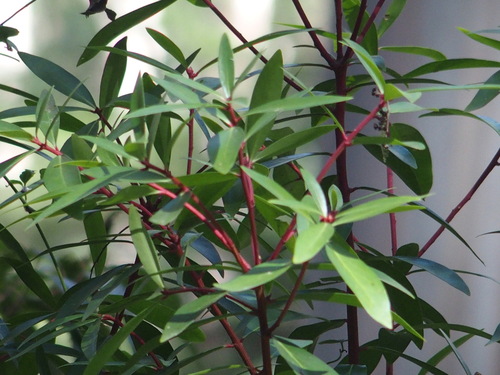
Tasmannia is a genus of about 50 evergreen shrubs and small trees in the family Winteraceae, native to cool, moist forests and montane scrub from southeastern Australia and Tasmania north to New Guinea, Borneo, and the Philippines. Plants form upright, densely branched crowns 3-16 feet (1-5 m) tall, with leathery, aromatic leaves that release a pungent, peppery scent when crushed; petioles and young stems are often flushed red. The wood lacks vessels, a trait of this early-diverging angiosperm family. Plants are dioecious, carrying male and female flowers on separate individuals, so both sexes are needed for fruit. Small cream to white flowers appear in spring, followed on female plants by two-lobed, glossy black berries. In T. lanceolata, the Tasmanian pepperberry, leaves and fruit are dried as a spice. Most species grow in acidic, humus-rich soils with steady moisture and cool summers, and foliage scorches in hot, dry wind or prolonged drought. Hardiness varies across the genus, with montane species such as T. lanceolata tolerating short frosts to about 14F (-10C) while lowland tropical species are frost-sensitive.
Native Range
Tasmannia ranges from southeastern Australia and Tasmania through montane New Guinea to Borneo and the Philippines. Species occupy cool temperate rainforest, montane scrub, and tropical cloud forest.Suggested Uses
Used as an evergreen screen, informal hedge, or woodland shrub in cool-temperate gardens, and as a culinary crop for pepperberry. Suited to shaded understory and moist border plantings.How to Identify
Appearance
Size & Dimensions
Height3' - 16'
Width/Spread3' - 8'
Bloom Information
Small cream to white flowers open in spring on both male and female plants. Female plants then develop glossy black, two-lobed berries that ripen in late summer to autumn. The flowers are small and partly hidden among the foliage.
Detailed Descriptions
Flower Description
cream to whiteFoliage Description
dark green with red petiolesGrowing Conditions
Sun Requirements
Requires 3-8 hours of direct sunlight daily
• Full Sun: 6+ hours of direct sunlight
• Partial Shade: 3-6 hours of direct sunlight
• Full Shade: Less than 3 hours of direct sunlight
Care & Maintenance
Care Guide
Grow in part shade to full sun in cool-summer climates, in acidic, humus-rich soil kept consistently moist but free-draining. Shelter from hot, drying winds, which scorch the leaf margins. Mulch to keep the root zone cool and moist. For berry production, grow male and female plants together. Frost tolerance varies by species, with T. lanceolata hardy to about 14F (-10C) and tropical species needing frost-free conditions.Pruning
Prune lightly after flowering to shape the plant and maintain density. Plants tolerate trimming into informal hedges. Remove dead or frost-damaged wood in spring.Container Growing
Suitable for container growing
Minimum container size: 5 gallons