Tamala, Genus, spp., Multiple species,
- Genus
- Multiple species
Redbay
Overview
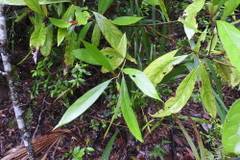
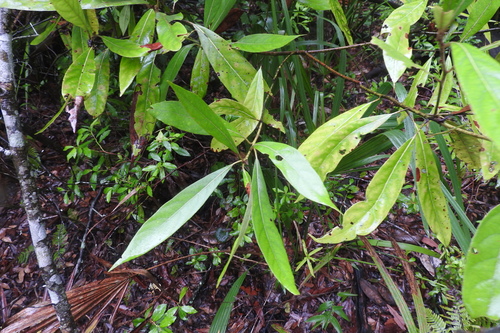
Tamala is a name applied within the laurel family (Lauraceae) to the aromatic evergreen trees and shrubs of south-eastern North America also treated under Persea, including redbay and swamp bay. Plants are evergreen, 15 to 65 feet (4.5-20 m) tall, with a slender trunk and a dense, dark green crown. The leathery, lance-shaped leaves are aromatic when crushed and have been used like bay leaves for flavouring. Small greenish-yellow flowers in branched clusters give way to dark blue to black drupes on red stalks, which are eaten by birds. These plants grow in coastal forests, swamps, and sandy woodland on the south-eastern Atlantic and Gulf coastal plain, tolerating wet ground and salt spray. A major constraint is laurel wilt, a lethal fungal disease spread by an introduced ambrosia beetle that has killed many wild redbays. The group is frost-tender to only moderately hardy and is restricted to mild, humid regions.
Native Range
Tamala in this sense is native to the south-eastern United States, from coastal Virginia south through Florida and west along the Gulf Coast to Texas, extending into the Bahamas.Suggested Uses
Used in coastal and wetland plantings, native gardens, and as a small shade or screening tree in the warm south-eastern United States. The aromatic leaves are used in cooking, and the fruit supports birds and other wildlife.How to Identify
Appearance
Size & Dimensions
Height15' - 65'
Width/Spread15' - 30'
Bloom Information
Flowering is in spring (April-June in the south-eastern United States), with small greenish-yellow flowers in the leaf axils. Drupes develop over summer and ripen dark blue to black by autumn, persisting on red stalks into the cooler months.
Detailed Descriptions
Foliage Description
dark greenGrowing Conditions
Sun Requirements
Requires 4-10 hours of direct sunlight daily
• Full Sun: 6+ hours of direct sunlight
• Partial Shade: 3-6 hours of direct sunlight
• Full Shade: Less than 3 hours of direct sunlight