Image 1 of 22
1 / 22
Plant Reference
Symphoricarpos, Genus, albus, Species,
- Genus & species
snowberry
Western North America — from Alaska south through British Columbia, Washington, Oregon to California; east to Montana and Colorado; dry to moist open forests, rocky slopes, stream banks, and disturbed sites
Overview
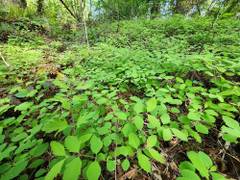
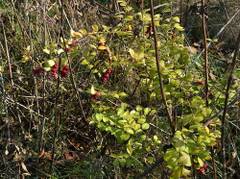
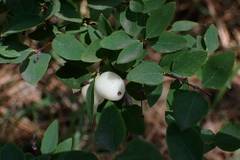
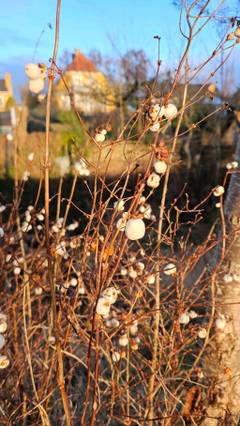
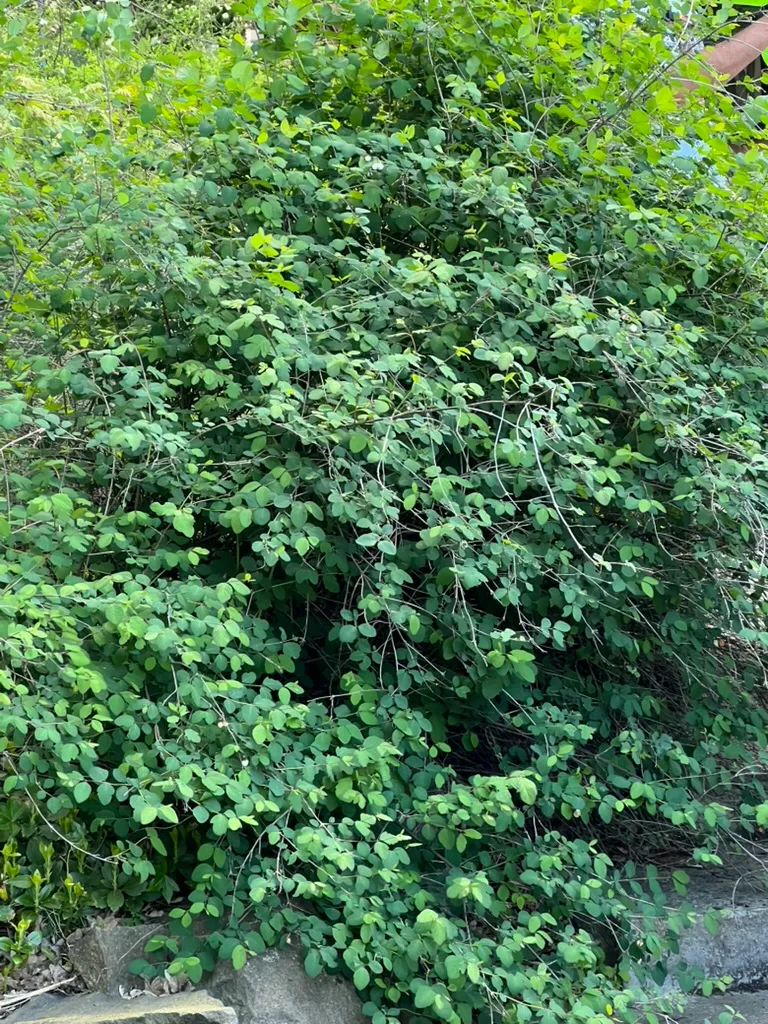
Symphoricarpos albus is snowberry (common snowberry), an upright deciduous shrub growing 2-5 feet (0.6-1.5 m) tall and 3-6 feet (0.9-1.8 m) wide. Tiny pink to white bell-shaped flowers 0.2 inch (5 mm) in terminal and axillary clusters in June-July — inconspicuous. The primary feature is the white waxy round berries 0.3-0.5 inch (8-13 mm) in dense terminal clusters that ripen September-October and persist through winter on bare stems. Albus = white. Blue-green simple oval opposite leaves 1-2 inches (2.5-5 cm). In Caprifoliaceae. Native to western North America — Alaska through California. Spreads by root suckers to form dense colonies — this suckering spread is the primary maintenance limitation. Individual suckers emerge 2-4 feet (0.6-1.2 m) from the parent annually. Tolerates deep shade, drought, poor soil, rocky soil, and alkaline conditions (pH 5.5-8.0). The berries are mildly toxic (saponins — cause nausea and vomiting if ingested). The flowers and foliage are visually unremarkable — the plant relies on the white winter berries for ornamental interest. Deer-resistant. Hummingbird-visited (flowers). Non-toxic foliage but toxic berries. Zones 3-9. Part shade to full sun to full shade. Growth rate is moderate to fast.
Native Range
Native to western North America — from Alaska south through British Columbia, Washington, Oregon to California; east to Montana and Colorado. Found in dry to moist open forests, rocky slopes, stream banks, and disturbed sites.Suggested Uses
Grown in native plant gardens, woodland understories, erosion control, wildlife habitat, and restoration plantings spaced 3-6 feet (0.9-1.8 m). Tolerates deep shade, drought, and poor soil. White winter berries. Spreads by suckers. Berries toxic. Native to western North America. Zones 3-9.How to Identify
Appearance
Size & Dimensions
Height2' - 5'
Width/Spread3' - 6'
Bloom Information
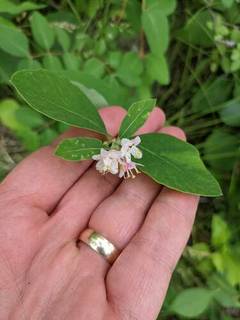
Early to midsummer (June-July). Pink to white tiny bell-shaped flowers 0.2 inch (5 mm) in terminal and axillary clusters. Inconspicuous. 4 weeks. Bee- and hummingbird-visited. White waxy berries ripen September-October and persist through winter.
Detailed Descriptions
Flower Description
Pink to white, tiny, bell-shaped, 0.2 inch (5 mm), in terminal and axillary clusters; inconspicuousFoliage Description
Blue-green, simple, oval, opposite, 1-2 inches (2.5-5 cm); turns yellow in fall — fall color brief and unremarkableGrowing Conditions
Sun Requirements
Requires 2-8 hours of direct sunlight daily
• Full Sun: 6+ hours of direct sunlight
• Partial Shade: 3-6 hours of direct sunlight
• Full Shade: Less than 3 hours of direct sunlight
Care & Maintenance
Care Guide
Part shade to full sun to full shade (2-8 hours — tolerates deep shade). Any well-drained soil pH 5.5-8.0. Drought-tolerant once established. Tolerates poor soil, rocky soil, and alkaline conditions. Spreads by root suckers — remove unwanted suckers to control colony spread. Berries mildly toxic (saponins). Prune in early spring (March). Deer-resistant. Zones 3-9.Pruning
Prune in early spring (March). Remove oldest stems at the base for renewal. Remove unwanted root suckers to control colony spread. Can be coppiced (cut to ground) for complete renewal. The upright multi-stemmed form is natural.Pruning Schedule
Prune: March
early spring